 Kelera Ditaiki
[Photo: Supplied]
The Pacific faces a climate finance shortfall of up to $8.9 billion a year.
Governments need the additional funding to adapt to climate change, respond to loss and damage and transition to renewable energy.
New analysis by the International Monetary Fund estimates Pacific countries need about $7.4 billion each year for climate adaptation alone.
Only about $1.3 billion is currently available, leaving an estimated $5.3 billion adaptation gap.
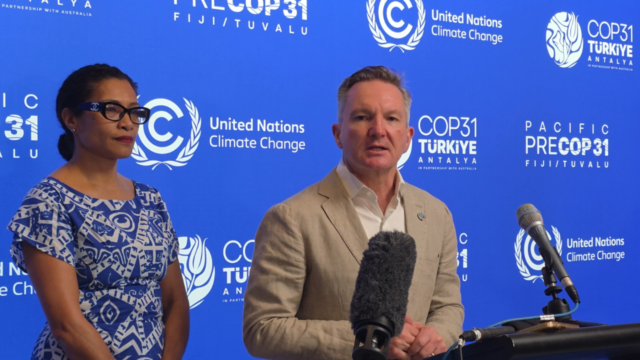
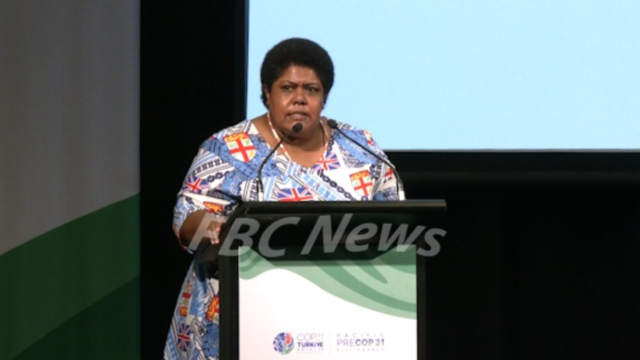
The findings are contained in a new report, Turbulent Waters: Navigating Debt and Climate Vulnerabilities in the Pacific, launched during Pacific Pre-COP in Nadi.
The report stated that Pacific countries could need another $2.2 billion a year to address climate-related loss and damage.
A further $1.1 billion could be needed each year to support the transition to renewable energy.
This puts the region’s overall climate finance shortfall between $6.7 billion and $8.9 billion annually.
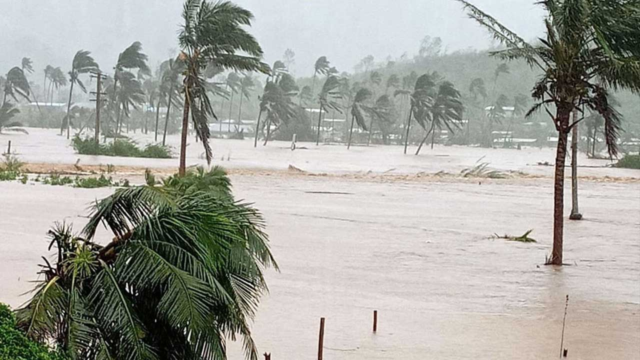
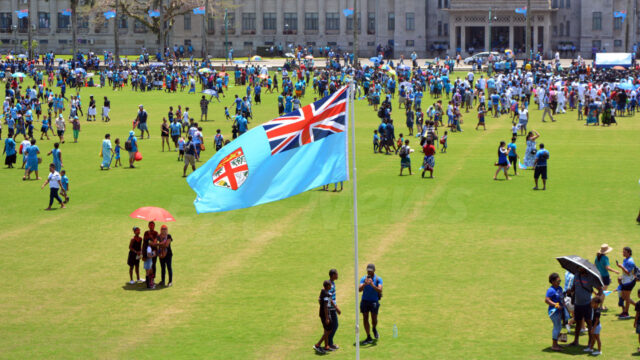
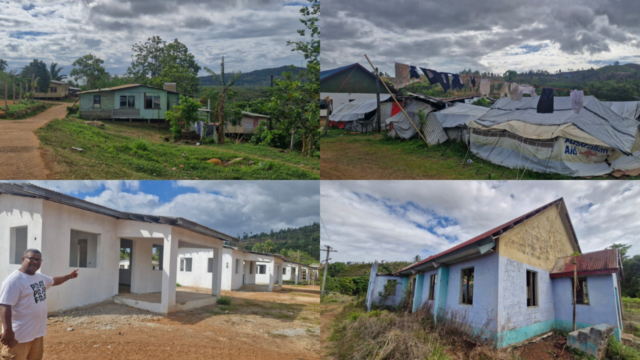
Fiji is among the Pacific countries facing the growing pressure to finance climate resilience and recovery.
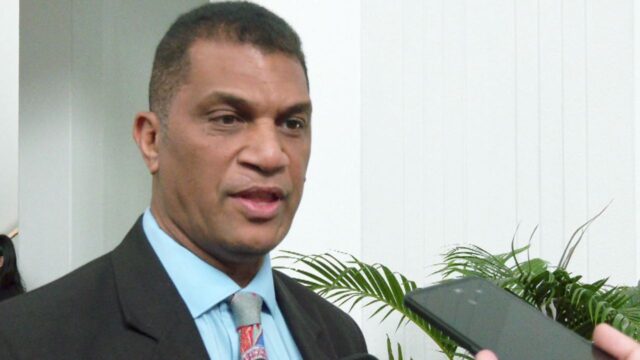
Caritas Australia Chief Executive Kirsten Sayers states the figures highlight a major injustice facing Pacific communities.
She says Pacific countries contribute the least to global climate change but are among those facing some of its most severe impacts.
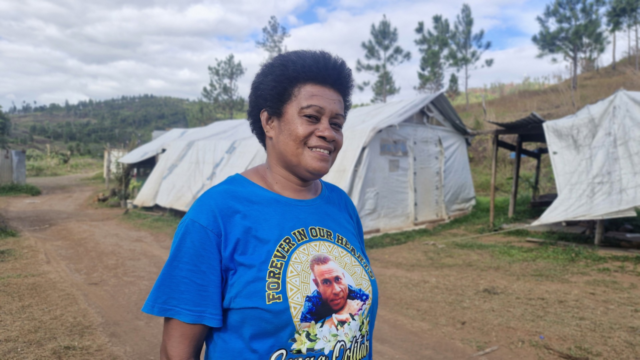
Sayers says communities are already taking steps to adapt, but many are being forced to borrow to respond to a crisis they did not create.
The report warns that Pacific countries should not be pushed further into debt to finance climate adaptation or recover from climate-related disasters.
It says debt servicing now accounts for 22 per cent of government revenue across the region, exceeding spending on health or education.
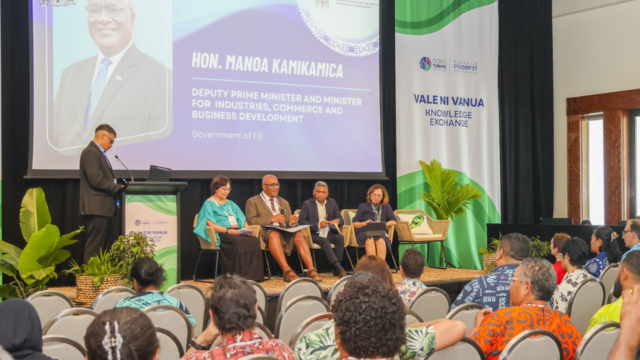
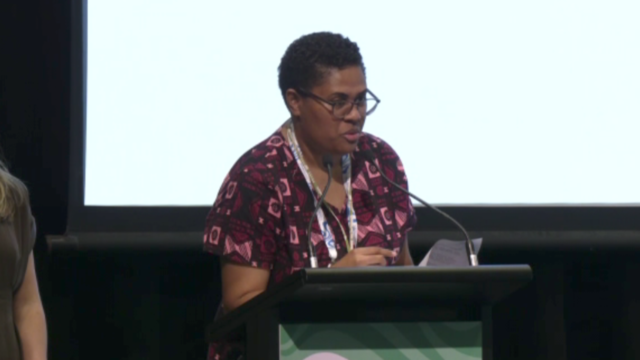
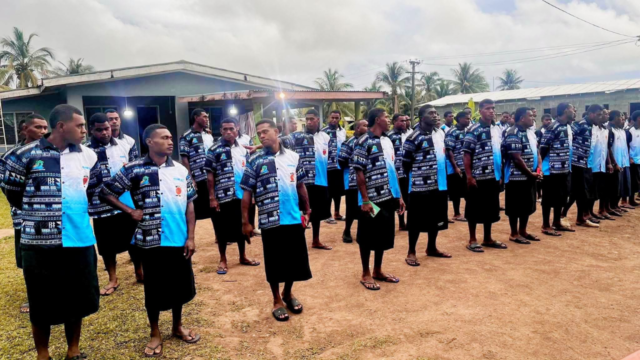
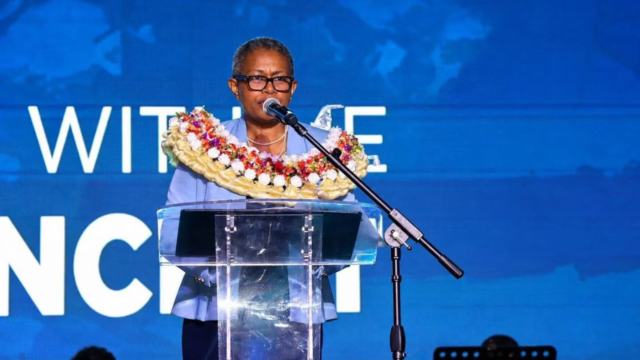
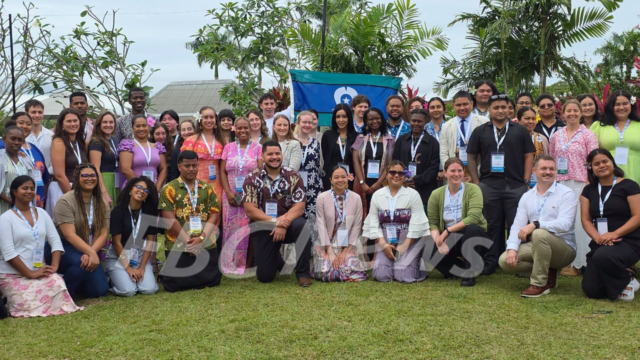
The research was carried out by Caritas Australia and its Pacific partners, with the findings shared at a climate justice gathering in Nadi attended by church leaders, young people and community representatives.
Sayers adds that climate finance must be fair, accessible and guided by the priorities of Pacific communities.