 Riya Mala
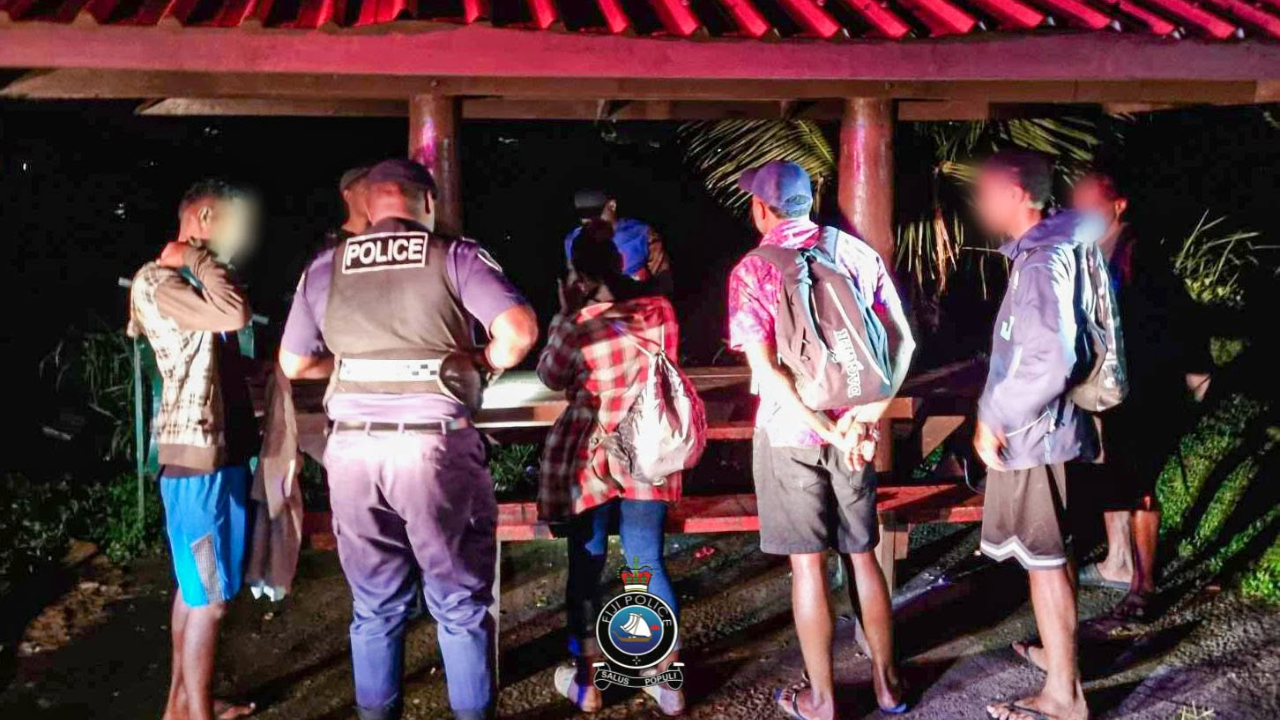
Criminal cases can face delays when police investigations are incomplete, with files being sent back for missing evidence before they can proceed to court.
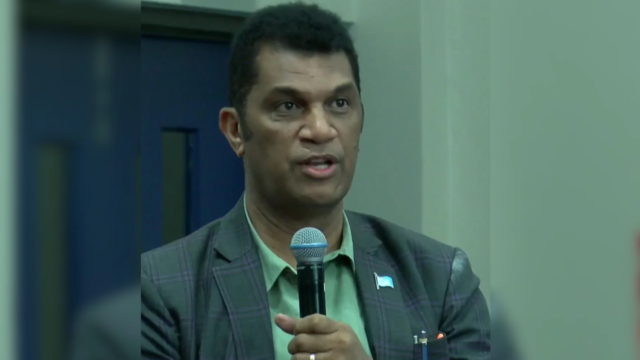
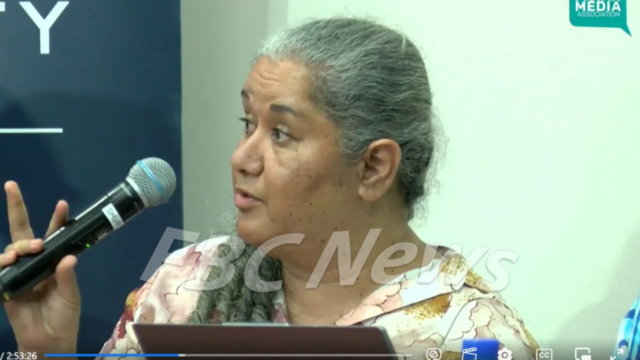
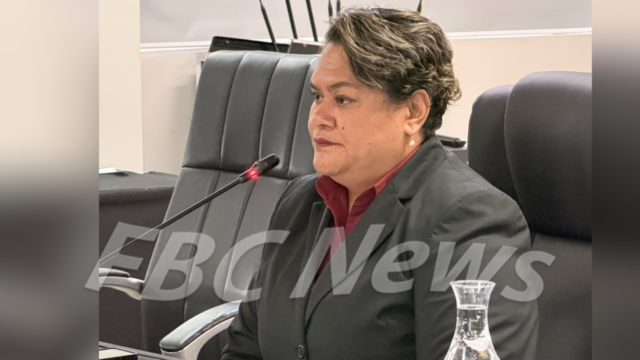
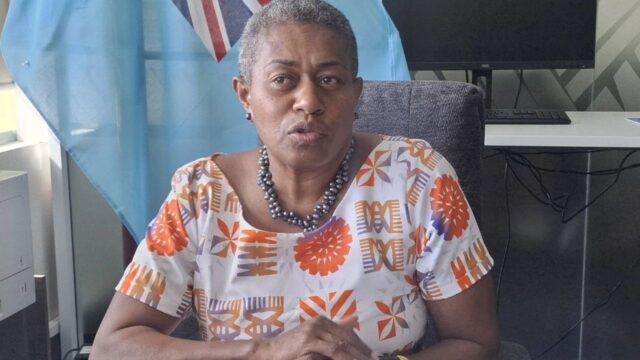
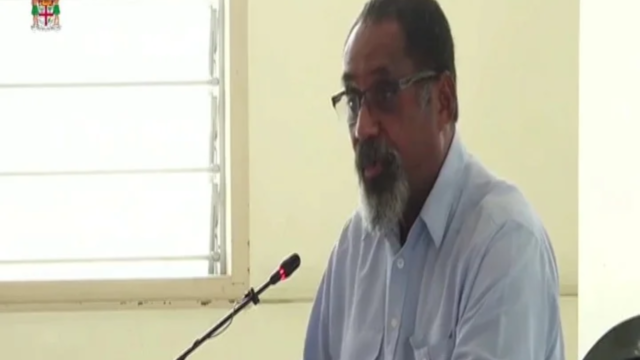
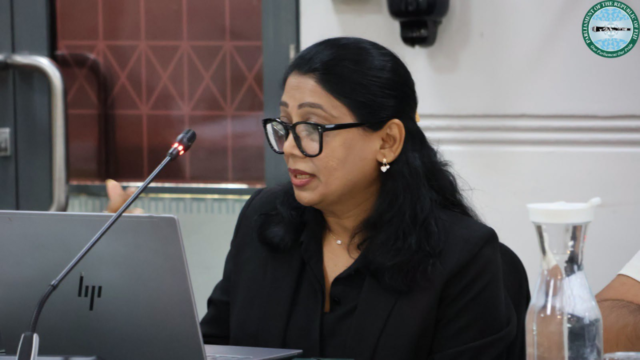
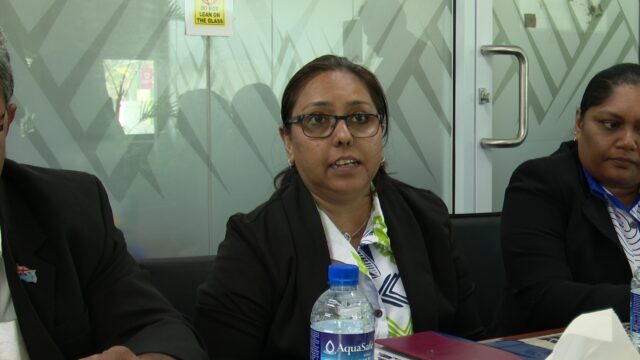
Acting Director of Public Prosecutions Nancy Tikoisuva says this back-and-forth process is necessary to ensure cases are properly prepared before prosecution begins.
Tikoisuva says her office may return a file to Police when its review identifies missing or incomplete evidence.
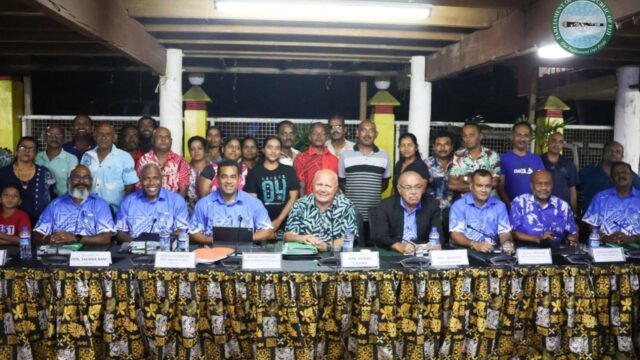
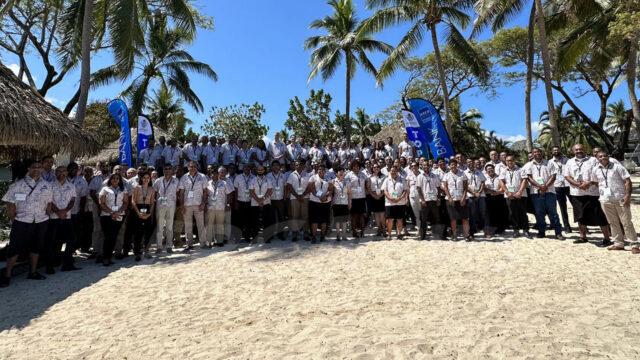
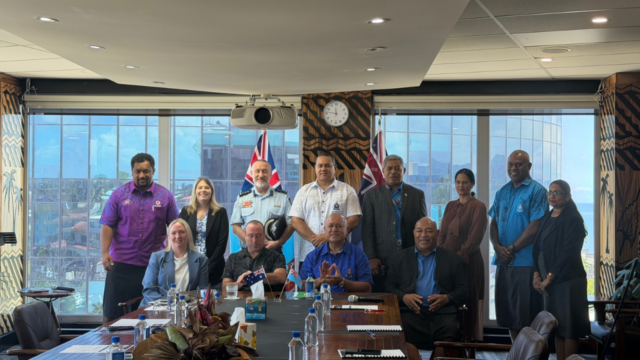
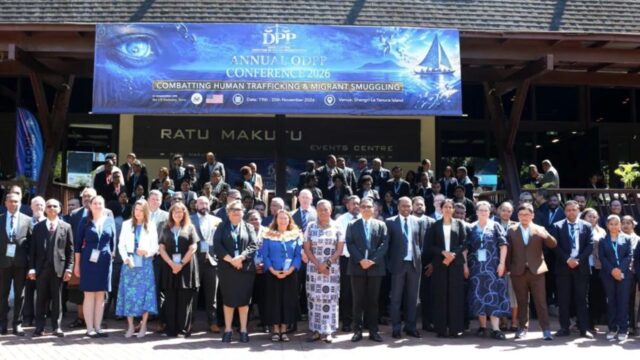
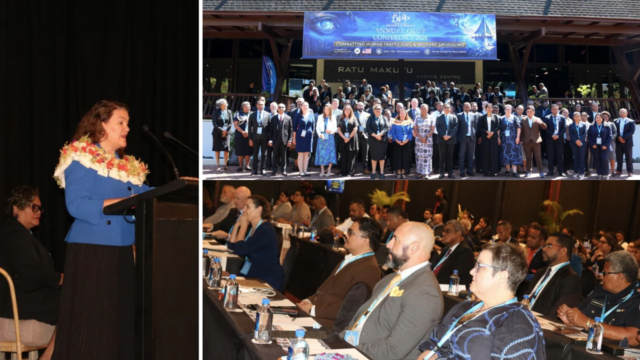
Speaking during a panel discussion at the Office of the DPP Annual Conference, Tikoisuva says Police must address those gaps before the file is reassessed.
“And that process also involves research. Ideally, we do not want to process someone in court without getting all the evidence. And as the judiciary has said, and we’ve listened to the judiciary, it wants the matter to kick-start in court; the whole process continues.”
She adds that the process takes time, but it helps avoid delays during hearings and allows cases to reach an outcome more efficiently.
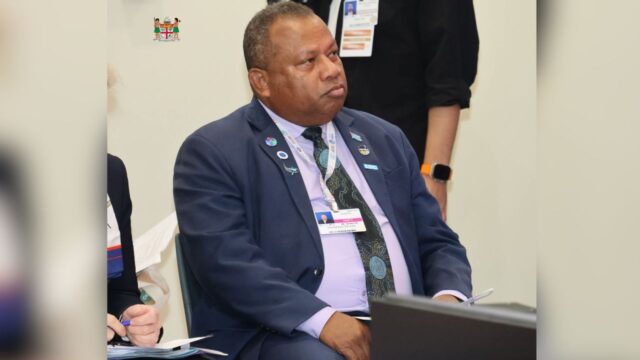
Assistant Commissioner of Police Crime Loraini Seru says investigations are handled based on the nature of each complaint and the inquiries required.
“The avenues of inquiries that is to be conducted in the cases as well. For now, with the capabilities based at the CID police headquarters, we intend to take the case holistically, whereby involved the digital forensics team. We are also engaging the proceeds of crime, anti-money laundering and proceeds of crime unit.”
Seru says thorough investigations from the start help prevent files from being returned by the DPP’s Office for further work before prosecution.