 Josefa Sigavolavola
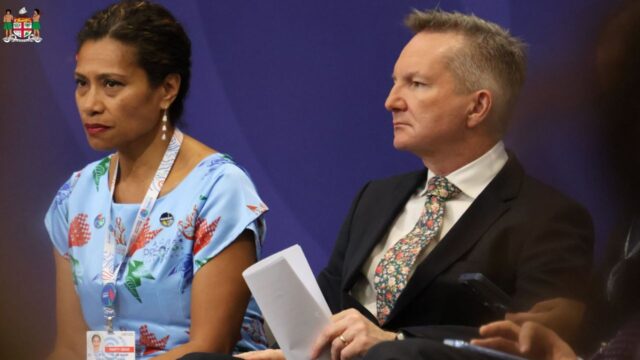
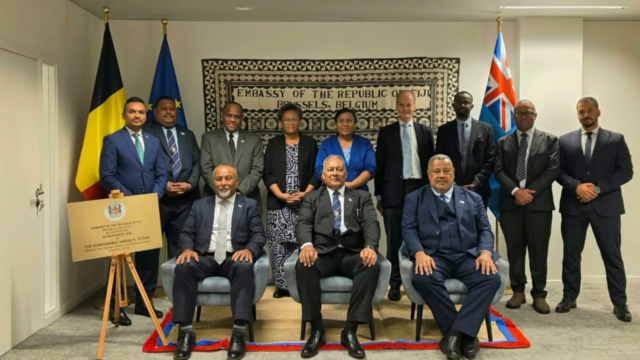
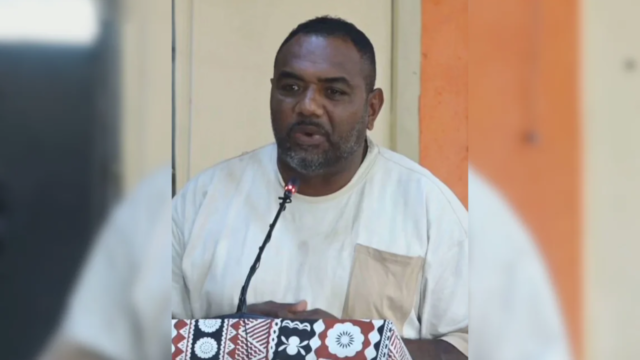
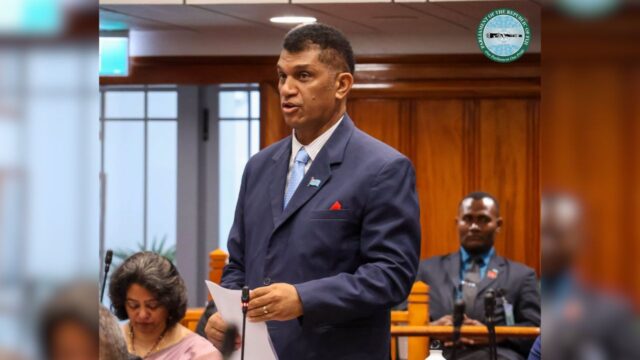
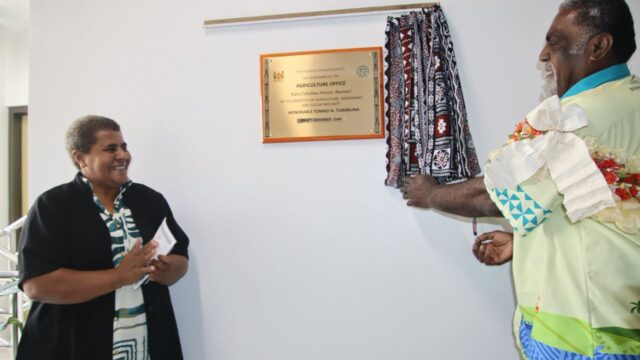
[Photo: Fiji Government/FACEBOOK PAGE]
Fiji and other Pacific Island nations are refusing to back a climate agreement they say falls short of existing commitments, as COP31 negotiations remain deadlocked more than 72 hours after the summit was scheduled to close.
The standoff has centered on contentious language around transitioning away from fossil fuels, climate finance and the protection of vulnerable nations, with Pacific countries warning they will not support any deal that weakens the progress secured at previous climate conferences.
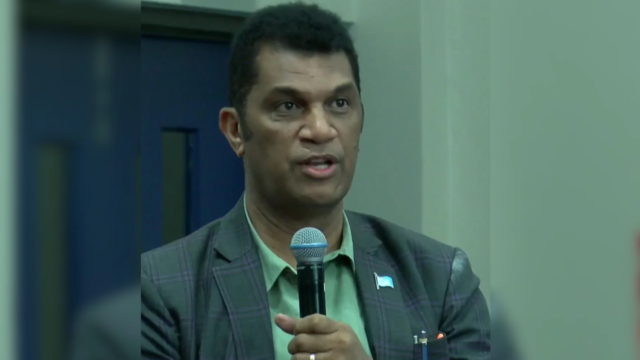
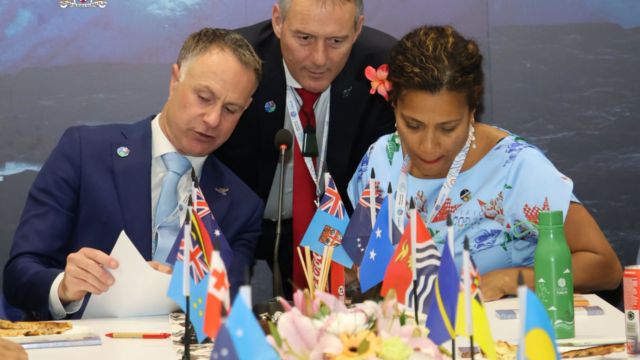
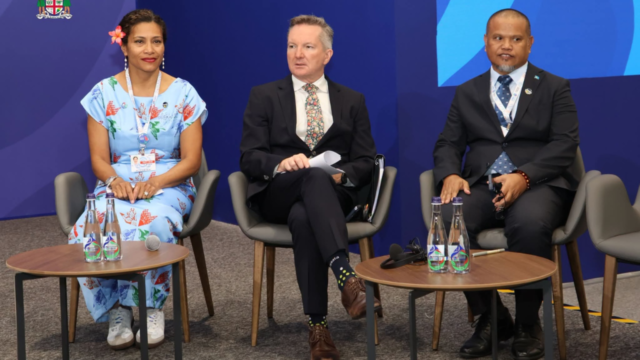
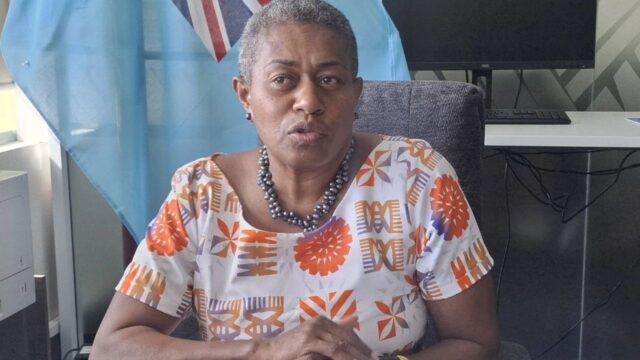
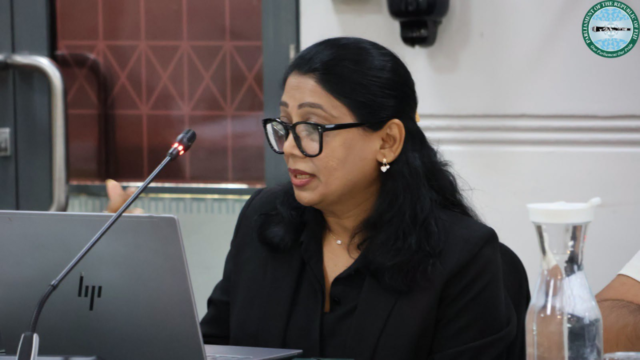
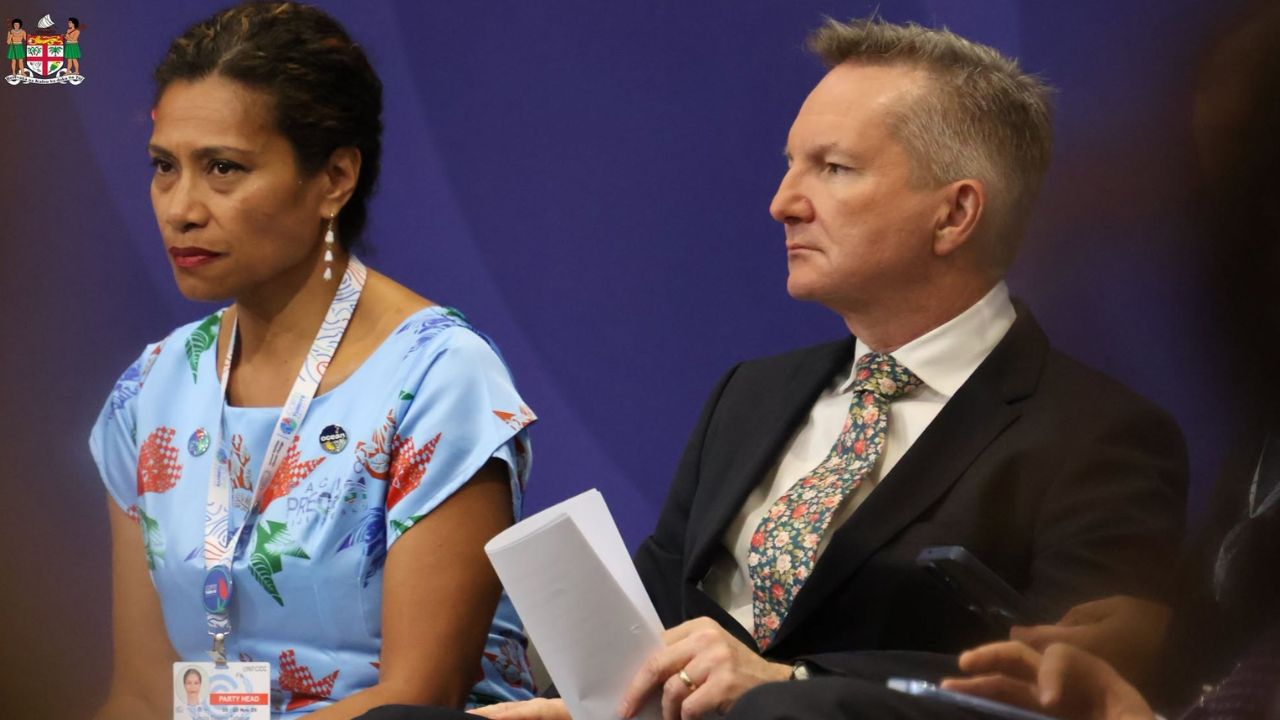
Speaking from Antalya, Fiji’s Minister for Environment and Climate Change, Lynda Tabuya, says Pacific nations were not seeking new promises but were demanding that existing agreements be upheld.
“It is 2am here in Türkiye and we’re still here at the COP venue from yesterday morning. It’s going to be 24 hours soon, so it’s been a full day of negotiations. And it’s not just negotiations of our bloc, but Four voting blocs have come together.”
The Pacific’s position has drawn support from a number of countries, including China, which have backed calls to maintain stronger commitments on fossil fuels, climate finance and measures to protect climate-vulnerable nations.
The prolonged negotiations have also placed Australia’s relationship with the Pacific under renewed scrutiny.
Pacific leaders entered COP31 expecting strong support from Canberra through the Vuvale Partnership and Australia’s bid to co-host a future climate summit with the region.
However, as negotiations intensified, Pacific representatives increasingly expressed frustration at Australia’s stance, arguing that it failed to champion key regional priorities strongly enough.
Many Pacific negotiators believe Australia left the region isolated at a critical stage of the talks, forcing island nations to lead the push to defend commitments on fossil fuel transition and the 1.5-degree Celsius temperature target.
COP31 Co-President Chris Bowen acknowledged the difficult negotiations but maintained there remained a willingness among countries to reach an agreement.
“Well, things worth doing in my experience don’t come easy. There’s still a spirit of making it work. People have strong views, of course. I’m not stepping away from that.”
The impasse is raising questions about the strength and reliability of the Vuvale Partnership when Pacific priorities are under pressure on the global stage.
Despite marathon negotiations and mounting diplomatic pressure, Tabuya says Pacific leaders say they will not compromise on issues they regard as essential for the survival of small island developing states.
“I’m not here for me, we’re not here at this time for us. We’re only custodians of this planet, to leave it better and safer for our children and grandchildren. So thank you Fiji for your prayers, for those who’ve reached out and sent very kind messages, appreciate it very much.”
With negotiations continuing in overtime and no consensus yet reached, Fiji says its position remains unchanged: it will not support any agreement that weakens commitments on fossil fuels, climate finance or the 1.5-degree goal, arguing that the future of Pacific nations is not up for negotiation.