 Nikhil Aiyush Kumar
[Photo: Supplied]
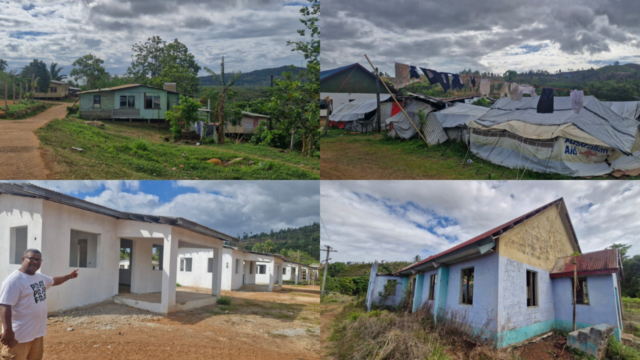
Fiji’s energy transition must reach remote and outer-island communities if the country is to achieve its renewable energy ambitions.
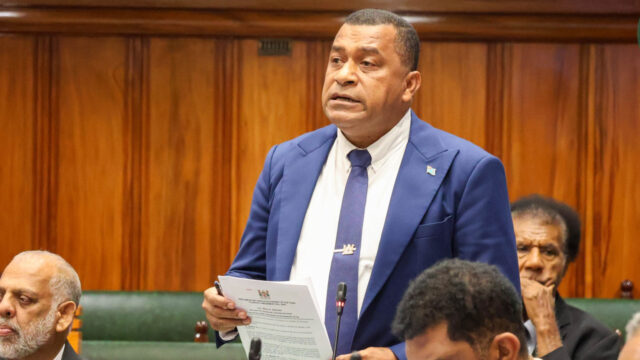
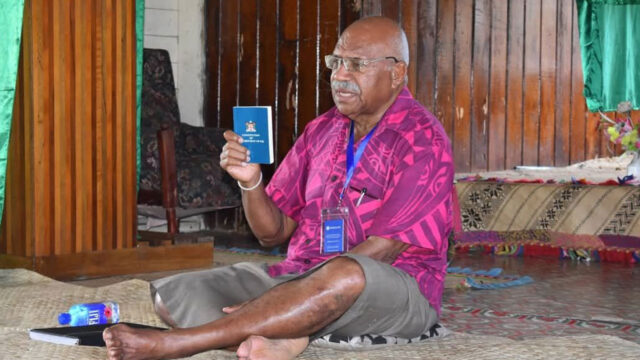
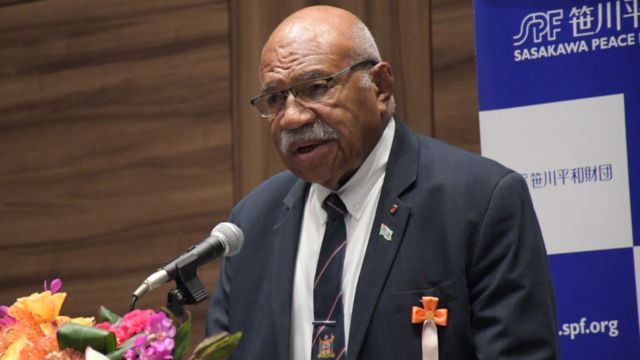
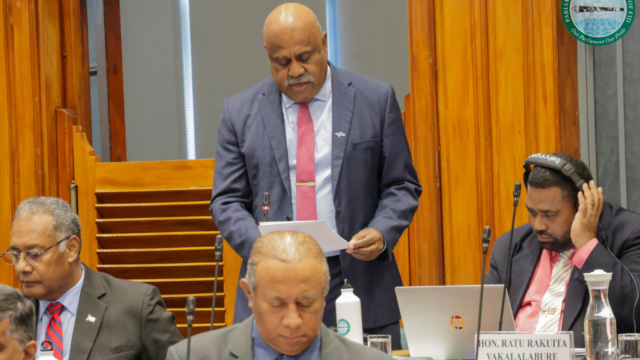
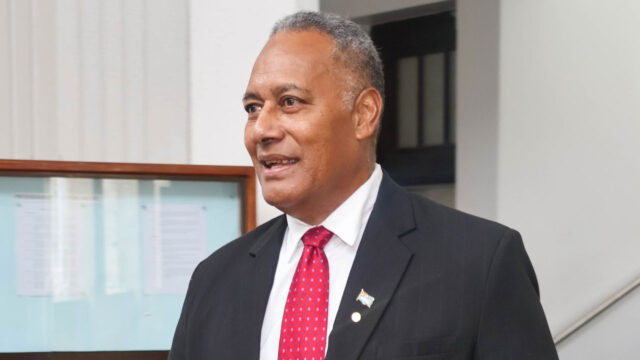
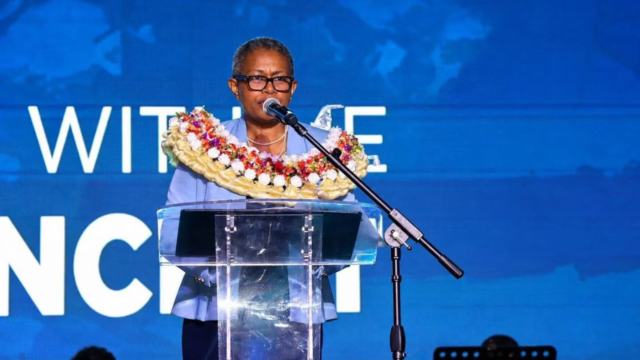
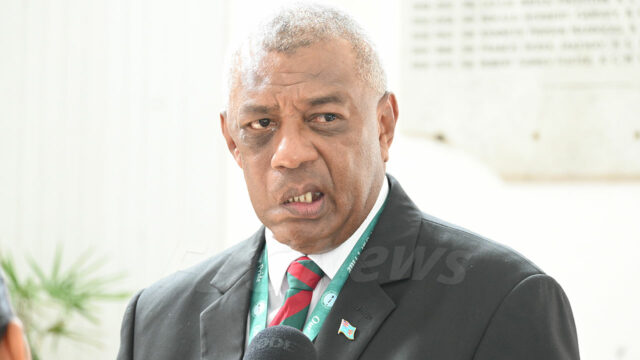
Minister for Public Works, Transport and Meteorological Services Ro Filipe Tuisawau states that the transition cannot be considered complete while families in remote areas continue to lack reliable electricity.
He said the country’s geography, with communities spread across vast ocean distances, makes rural electrification particularly challenging.
“The energy transition must reach the last mile.”
Ro Filipe said Fiji was targeting universal access to electricity by 2030, while its latest Nationally Determined Contribution aims for a 36 percent reduction in energy sector emissions by 2035.
The government is also targeting 100 percent renewable grid-connected electricity by 2035, subject to international support.
Ro Filipe says decentralized mini-grids and off-grid renewable energy solutions will be critical to reaching communities that cannot easily be connected to the main grid.
“We cannot declare Fiji’s energy transition complete because Suva or Tokyo 90 becomes greener while the family on an outer island still does not have reliable electricity.”
Reliable electricity, according to the Minister is more than an energy issue, supporting fisheries, food storage, water systems, telecommunications and rural businesses.
Ro Filipe pointed out that greater access to concessional climate finance will be needed to ensure these smaller rural projects can be developed and delivered.
He adds that Fiji’s energy transition must ultimately deliver tangible development outcomes for communities across the country.