 Litia Cava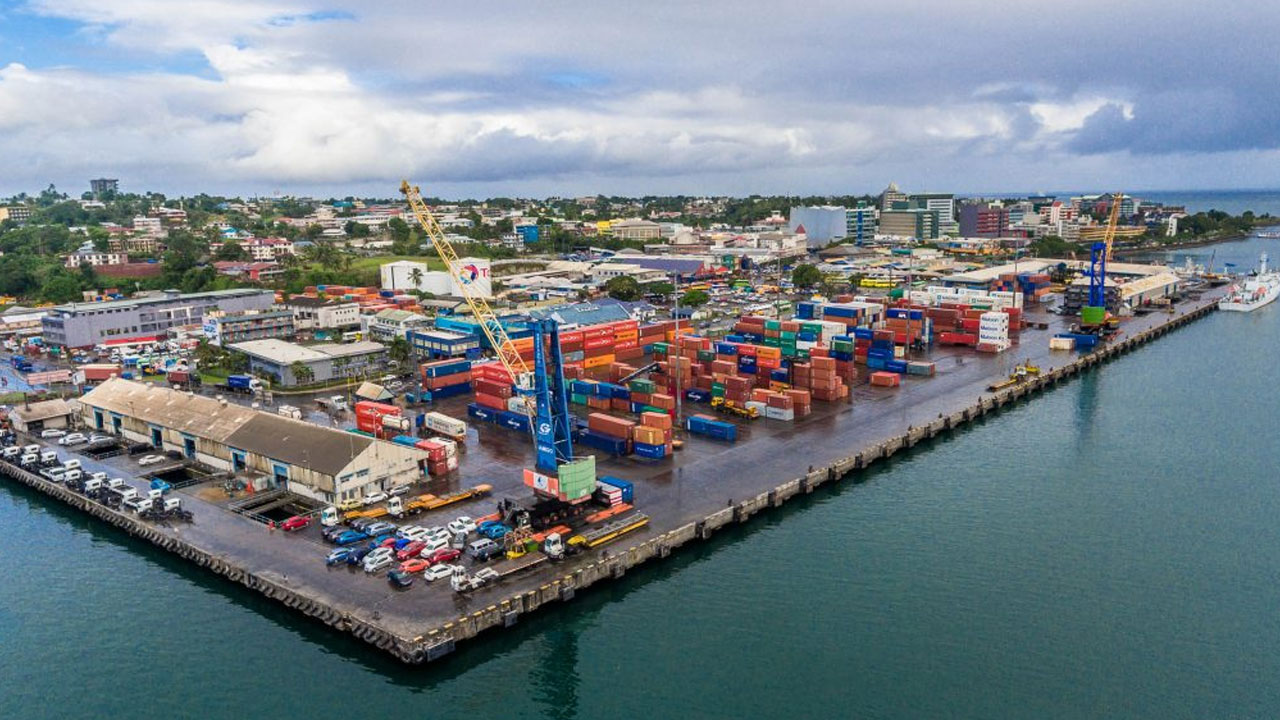
[Photo: FILE]
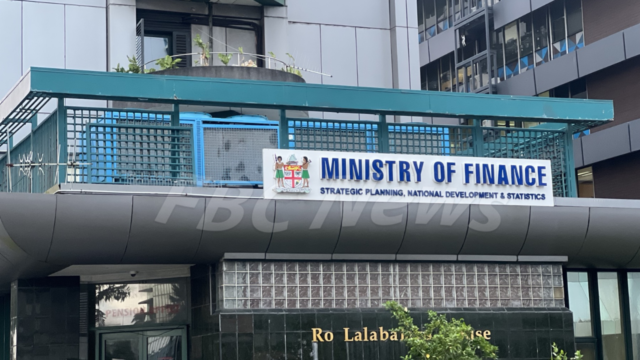
Australia’s $1.5 billion financing commitment will not fully fund Fiji’s infrastructure needs.
The funding will have to be combined with the government’s resources and support from other development partners.
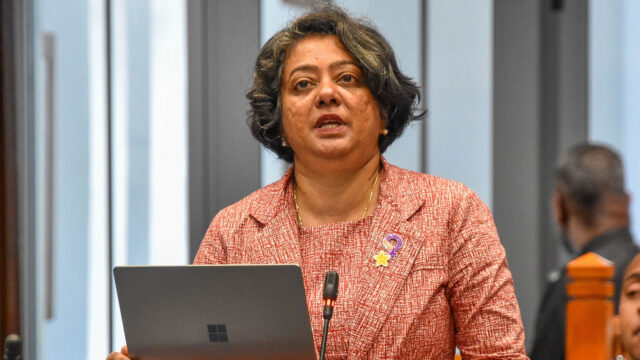
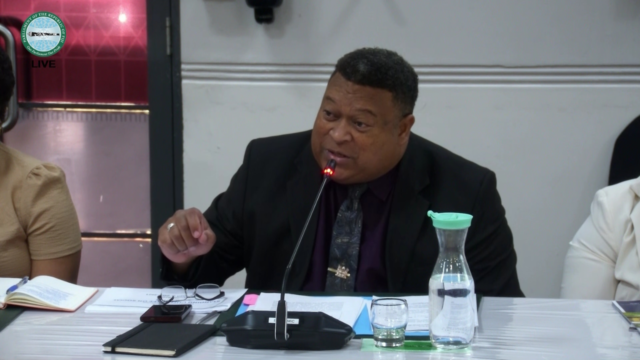
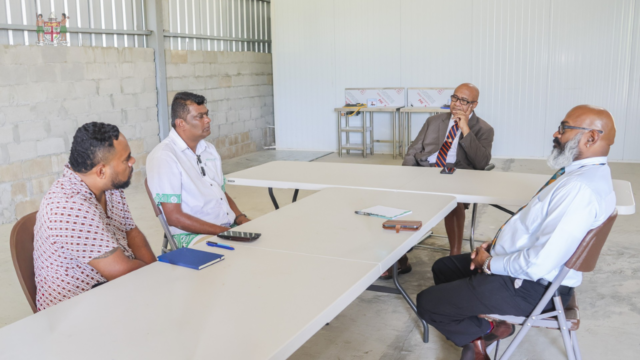
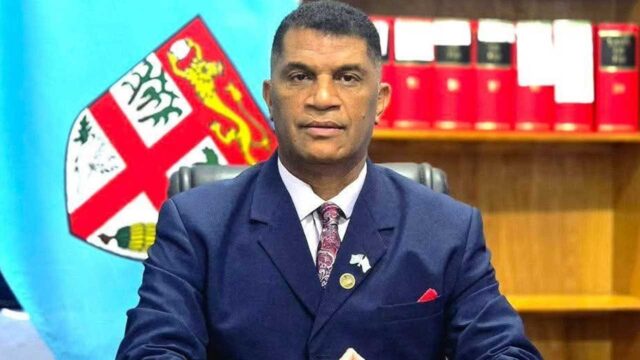
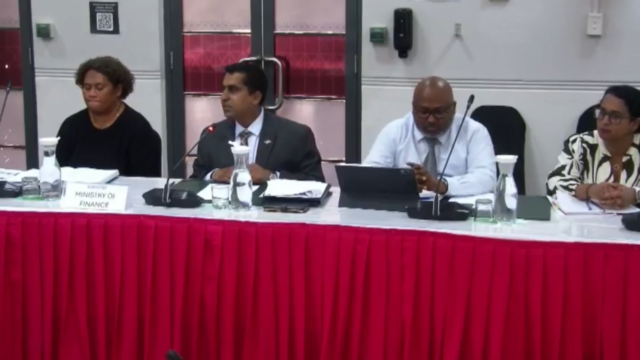
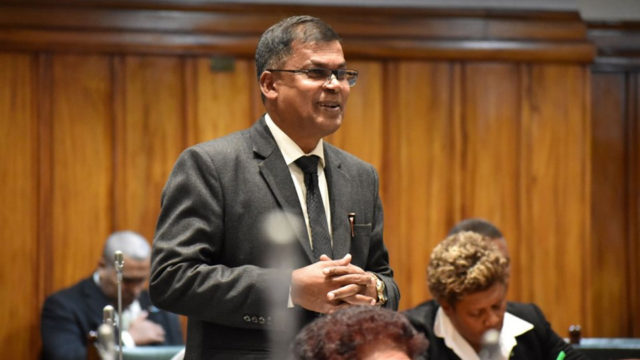
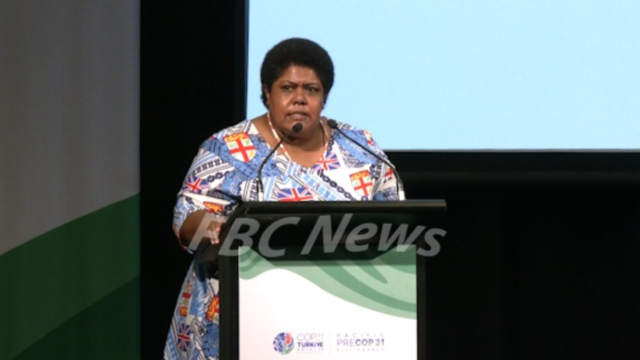
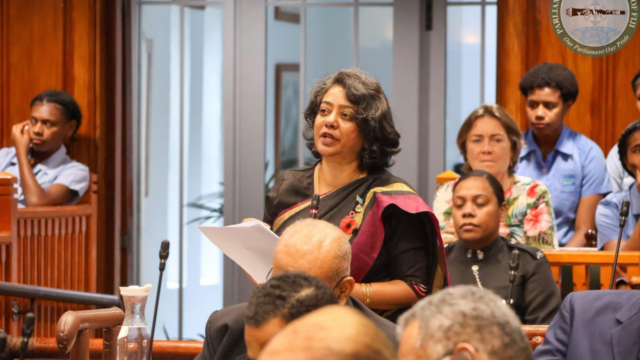
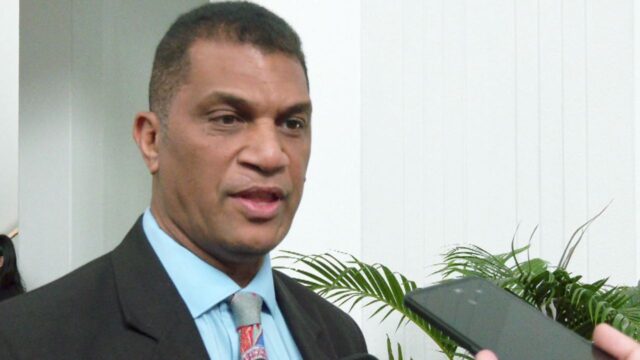
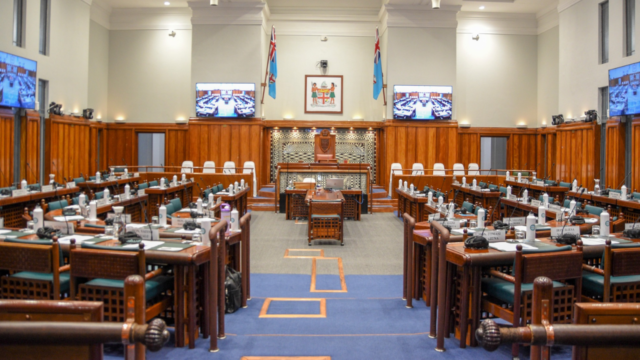
Permanent Secretary for Finance Shiri Goundar told the Parliamentary Standing Committee on Foreign Affairs that the Australian funding, which averages about $150 million a year
over the 10-year arrangement, represents only around two to three per cent of Fiji’s total annual financing.
He said Fiji collects roughly $4 billion in tax revenue, in addition to other sources of government revenue and the Australian funding will form only a small part of the overall financing available to Government each year.
“It is only a portion of the overall funding envelope, and we will continue to use Government resources together with financing from multilateral partners such as the Asian Development Bank and the World Bank.”
Goundar said the funding would instead complement Government’s own spending and financing from development partners, including the Asian Development Bank and World Bank.
The Australian funding, according to the PS could also help Fiji leverage additional financing from multilateral partners.
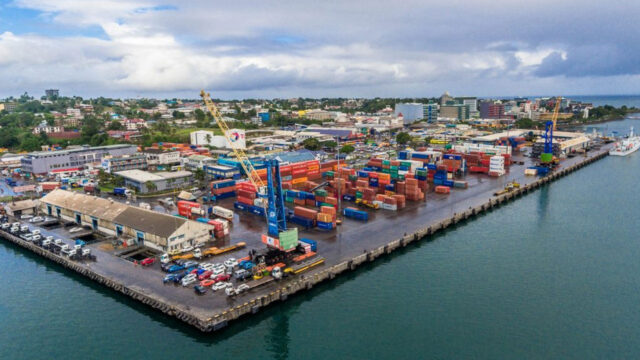
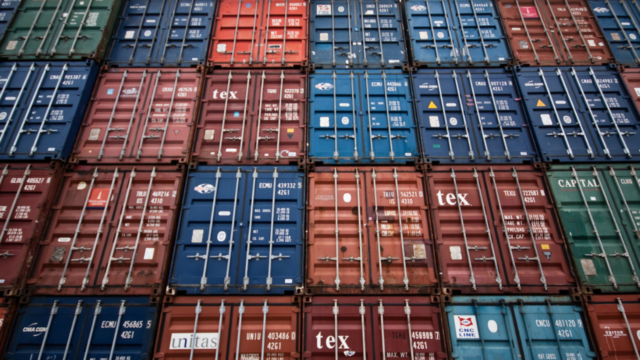
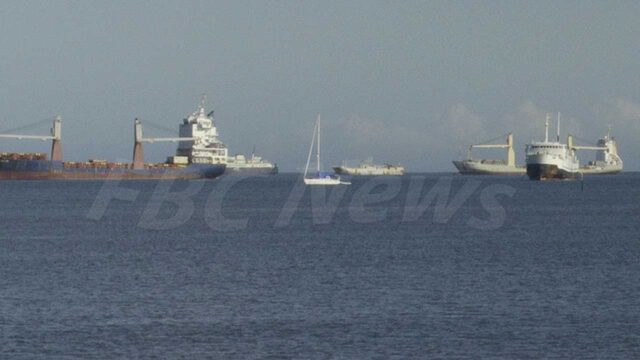
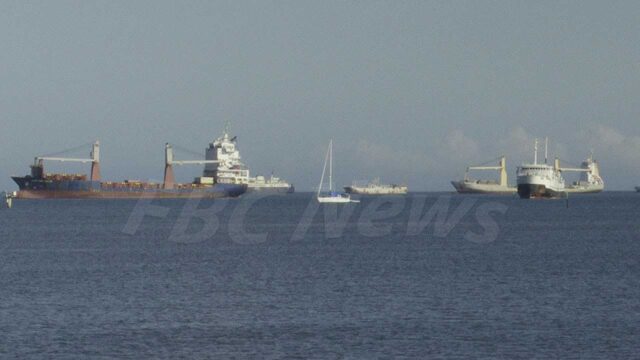
He gave the example of port development, saying other development partners could put in additional resources to complement Australia’s contribution.
The funding will also be integrated into Fiji’s national budget once individual projects are ready for implementation.
Goundar said all projects under the arrangement would be delivered through Fiji’s national systems.
Once funding is committed and projects are ready to proceed, he said the amounts would appear in the appropriation and budget books.
However, he stressed that projects still have to go through a number of stages before they reach implementation.
These include project design, tendering, due diligence and ensuring there is sufficient implementation capacity to deliver the projects.
The government is therefore expected to progressively include the projects and their funding in future national budgets as the program moves forward.