 Praneeta Prakash
[Photo: File]
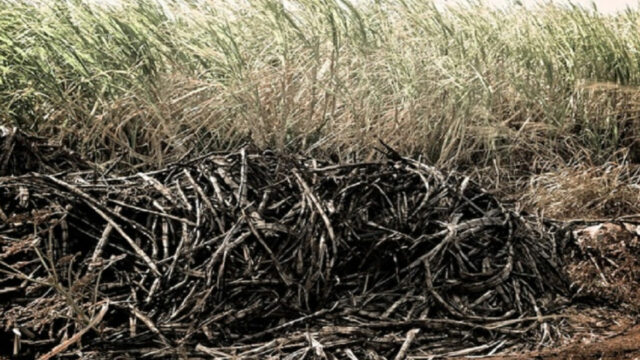
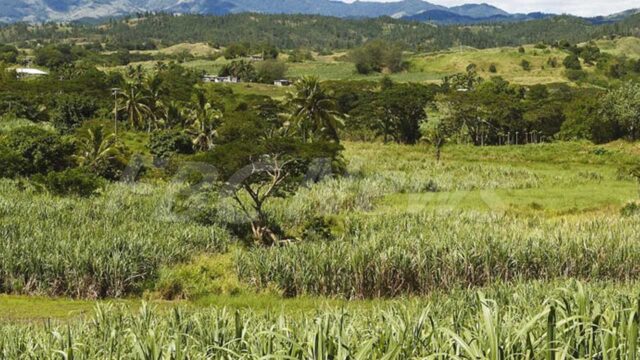
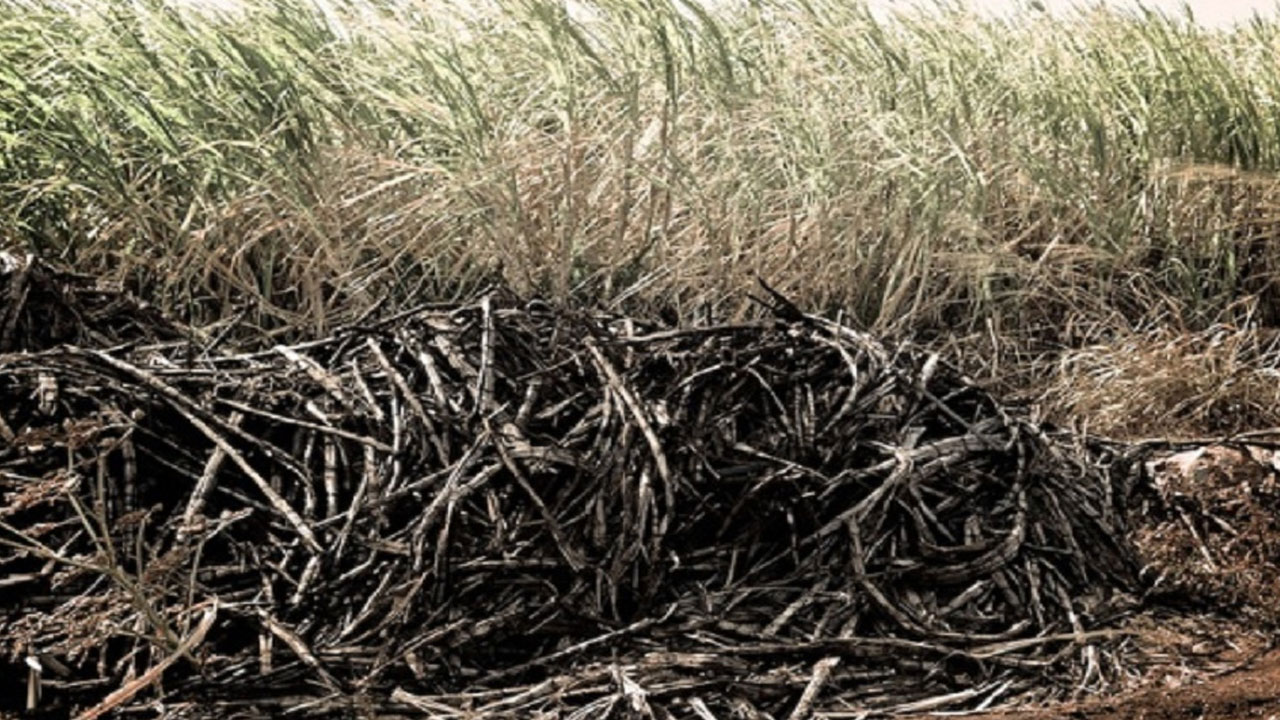
Fiji could earn less from sugar exports this season as more burnt cane was sent to the mills this year.
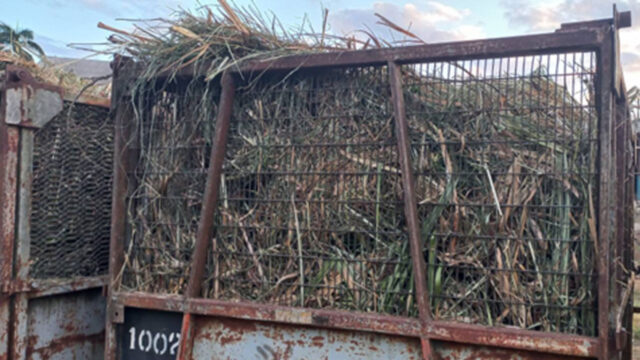
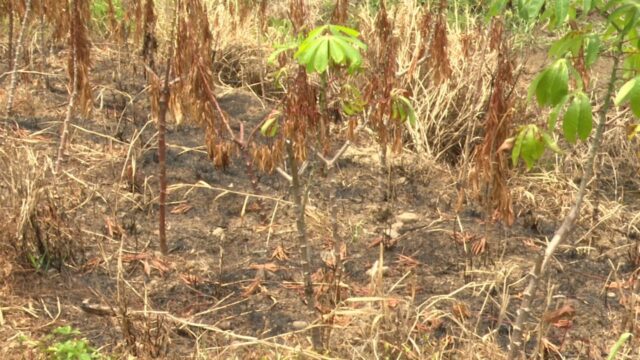
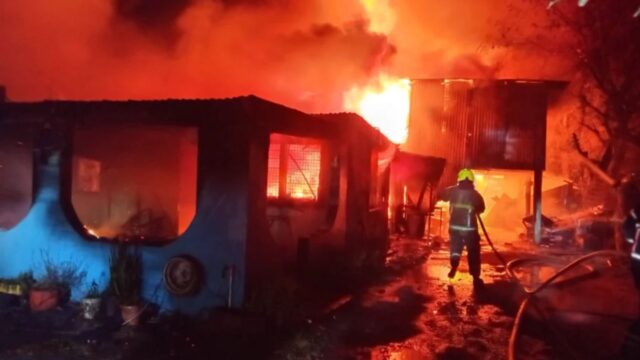
According to the Fiji Sugar Corporation, burnt cane made up 62.3 percent of all cane crushed this season, up from 54.4 percent last year.
Lautoka had the highest share at 82.9 percent for the season, and by its final recorded week, nearly all the cane crushed there was burnt.
At Rarawai, burnt cane accounted for 70.9 percent of the season’s intake and reached 99 percent in one week.
Labasa’s share fell to 42.7 percent for the season, but reached 88.6 percent in its final recorded week.
FSC says burnt cane can produce darker sugar that costs more to refine.
It can also raise levels of dextran, a substance that makes it harder to filter the sugar and form crystals.
FSC says if the sugar fails to meet the quality standards agreed with buyers, refiners could pay less or reject shipments.
The corporation may then have to sell the sugar in lower-priced markets.
The three mills crushed about 1.13 million tonnes of cane and produced nearly 113,000 tonnes of sugar.
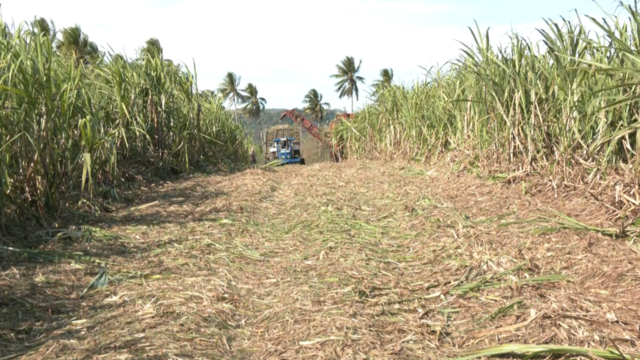
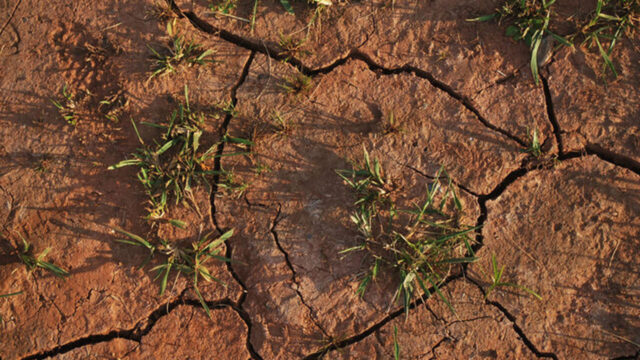
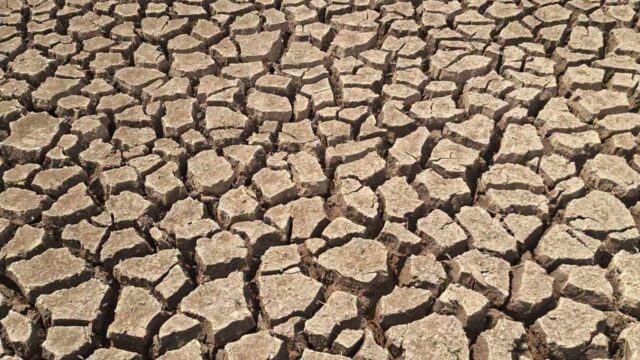
FSC says prolonged dry weather slowed crop growth, while labour shortages and transport problems disrupted cane deliveries.
According to the Reserve Bank of Fiji’s June 2026 Quarterly Review, Fiji earned $48.4 million from sugar exports in 2025, down from $122.2 million in 2024.
Sugar exports brought in about $42 million in the first seven months of 2026.
FSC has not put a dollar figure on the potential impact of burnt cane this season.