 Bose Vavataga

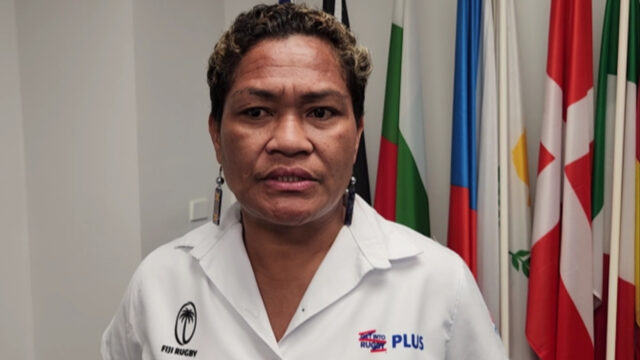
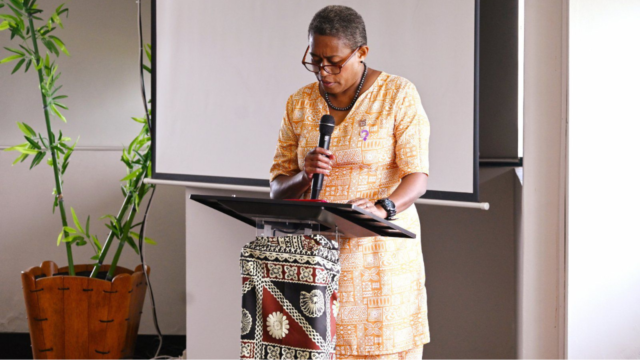
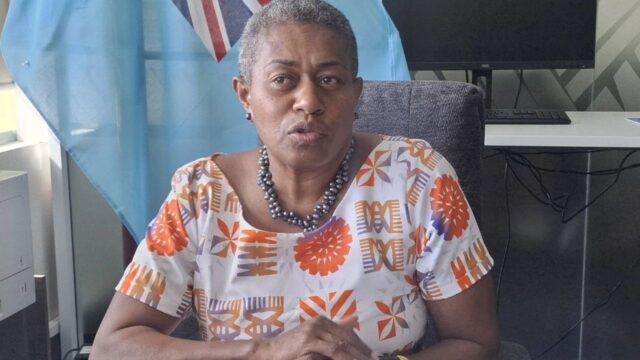
Kereni Colawai [Photo: Bose Vavataga]
The high cost of treatment and the difficulty of managing Lupus have placed a significant burden on families, particularly those caring for children diagnosed with the condition.
For Kereni Colawai, whose daughter was diagnosed with Lupus at a young age, early diagnosis, specialist care and family support have been critical in managing the illness.
Colawai says her daughter was diagnosed at 14 after experiencing persistent fevers and other symptoms that did not improve despite repeated courses of antibiotics.
She says acceptance and education were the first steps in helping her daughter cope with the condition, especially during her teenage years.
“I was very open about it. And acceptance is key as a parent. It just sets the platform for your own child, especially when you’re dealing with a child. It’s hard enough for adults, but when you’re dealing with someone who’s going through puberty, teenager, getting out of primary school, going into high school, it was very difficult.”
Colawai says lupus treatment is expensive, requiring regular blood tests, medication and specialist reviews, which are not always readily available in the region.
She says stress and individual food triggers can also contribute to flare-ups, although symptoms differ from one patient to another.
Colawai says families must understand that lupus does not affect everyone in the same way, and patients need to be supported rather than judged.
She adds that her daughter now has to take greater responsibility for managing her condition as a young adult, while the family continues to provide support.