 Sainimili Magimagi

[Photo: File]
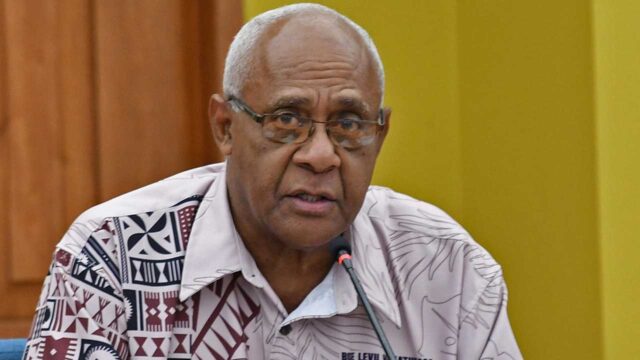
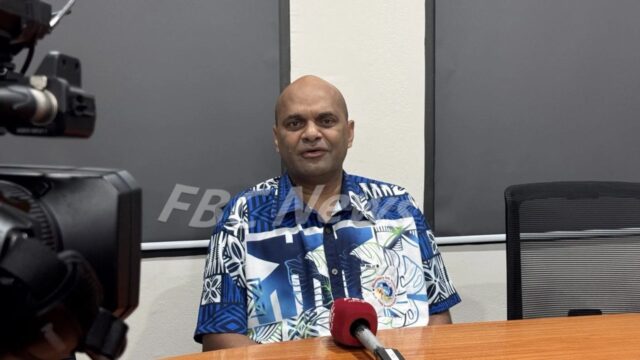
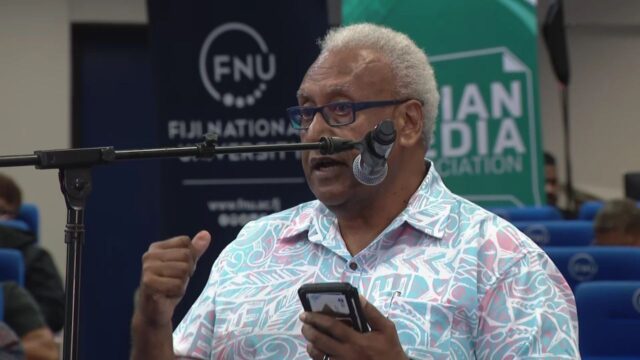
Great Council of Chiefs Chair Ratu Viliame Seruvakula has issued a strong appeal to members of Parliament to put politics aside and support the proposed Constitution Amendment Bill.
Ratu Viliame says the Bill should be allowed to progress, creating an opportunity for future Parliaments to debate and make further amendments as circumstances evolve.
He warns that future generations could be left with a Constitution that no longer serves their needs if there is no room for change.
He says the current generation has a moral obligation to ensure future governments and generations have the flexibility to address changing needs.
Referring to comments made by Prime Minister Sitiveni Rabuka following a presentation by military commanders, Ratu Viliame says public dissatisfaction could potentially lead to instability.
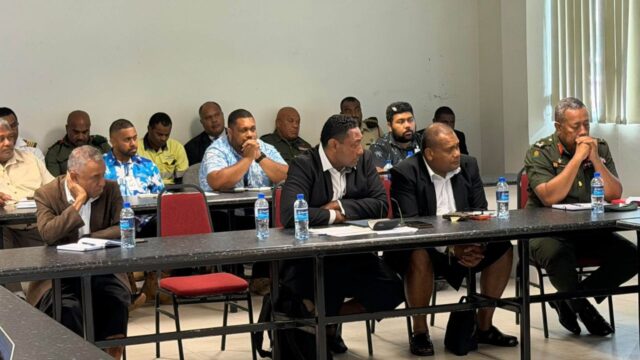
“So, do you remember what Prime Minister Rabuka said during, after the commanders’ presentation? Remember when he said that if it doesn’t work, then you guys will have to come and deal with it. And he’s not saying that you guys will have to come and stage a coup. He’s talking about the fact that people will be unhappy, that could lead to instability and the law enforcement will have to deal with it.”
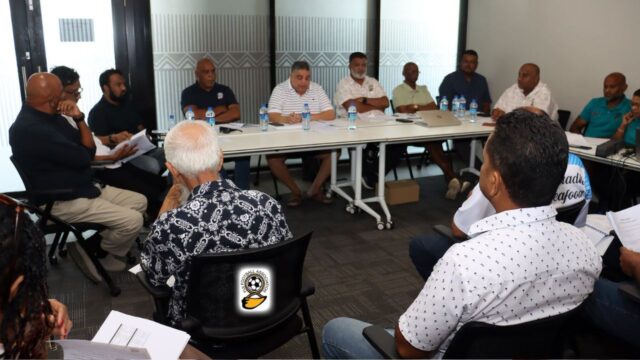
While the GCC was not entirely satisfied with the contents of the proposed amendments, Ratu Viliame says the Council remains supportive of the process moving forward.
He says the GCC had presented its submissions during the Constitution Review Commission process, with only about 60 percent of its key recommendations reflected in the proposed Bill.
However, he says the priority is to establish a pathway for constitutional reform rather than focus on every detail.
Ratu Viliame also points to global developments, including wars, geopolitical tensions and rising fuel prices, as reasons laws must be able to adapt to changing circumstances.
He warns that a rigid Constitution could make it increasingly difficult for future governments to respond to emerging challenges.