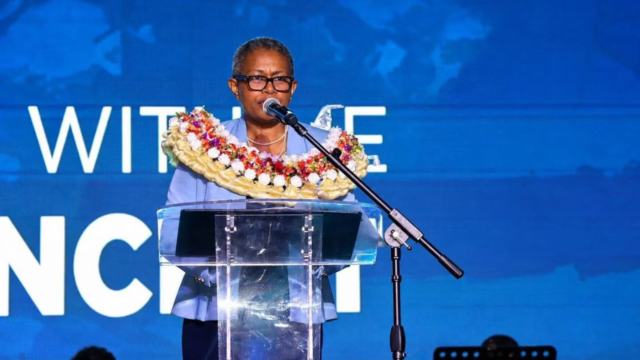
 Litia Cava
[Photo: FILE]
The drug problem is being linked to a wider regional trafficking network.
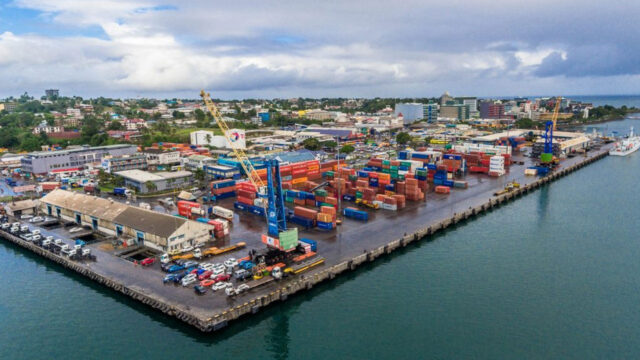
The Finance Ministry state that some drugs passing through Fiji are destined for Australia and New Zealand.
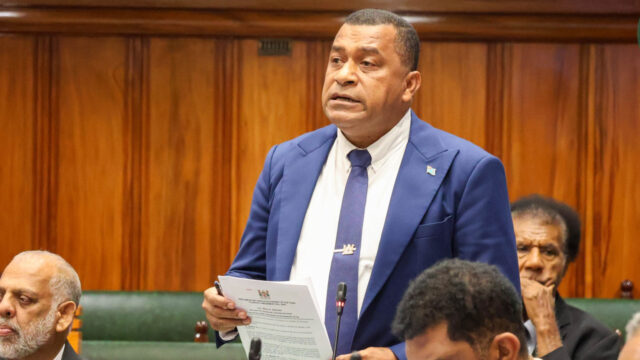
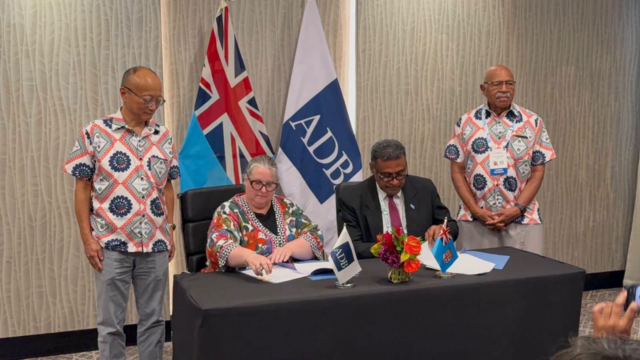
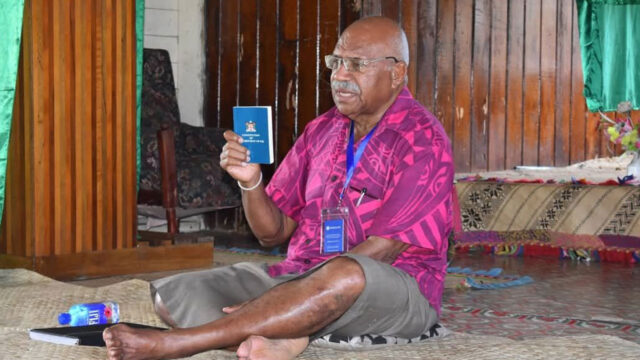
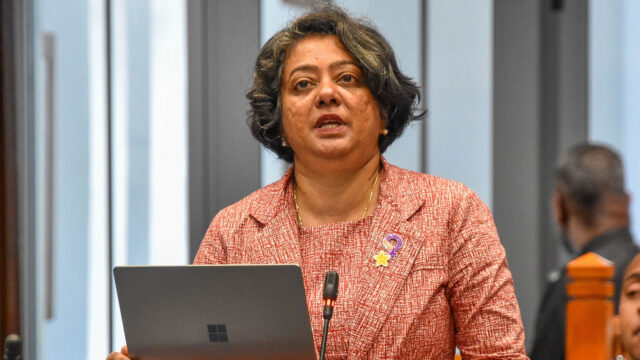
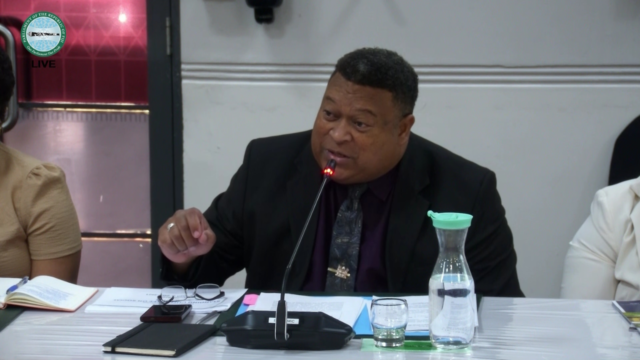
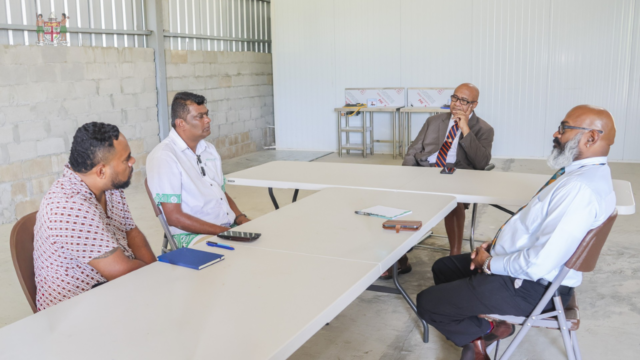
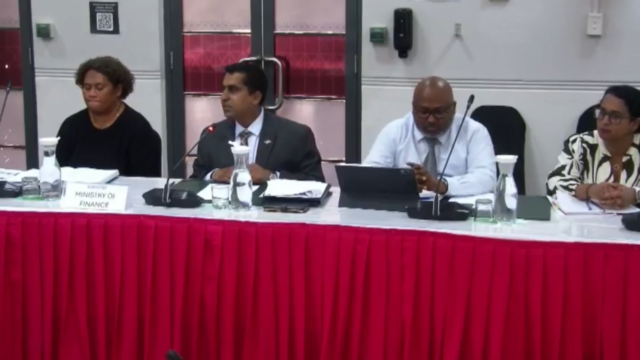
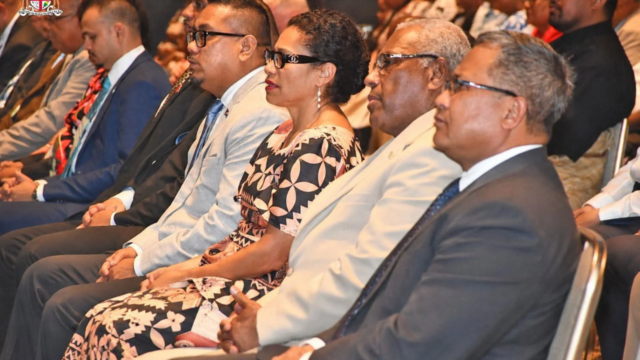
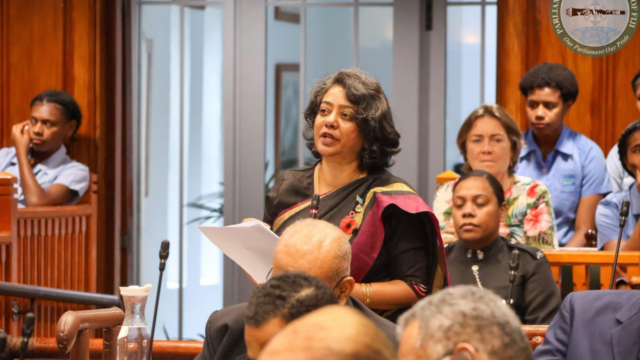
The issue surfaced before the Parliamentary Standing Committee on Foreign Affairs hearing on the $1.5 billion Fiji-Australia financing arrangement, where officers explained why illicit drugs, transnational crime and HIV feature among the priorities under the deal.
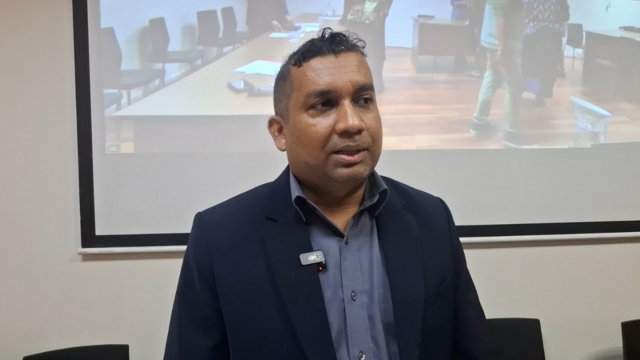
Manager International Cooperation Laurie Singh said Fiji should not necessarily be seen as the final destination for drugs moving through the country.
He said some of the drugs passing through Fiji may be destined for Australia and New Zealand.
Singh argued that this gives Australia a direct interest in helping Fiji disrupt the trafficking network.
He said Australia’s financing can therefore be viewed as taking responsibility for a regional problem, rather than simply providing assistance to Fiji.
That distinction is important because the Government’s drug response is being tied to a much wider set of pressures.
Finance Permanent Secretary Shiri Goundar said fighting illicit drugs and transnational crime are among the priorities identified under the 10-year arrangement.
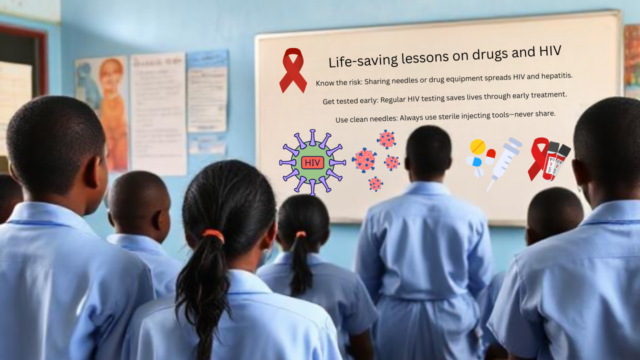
He said the focus also extends to strengthening the health system and addressing HIV.
The committee was told that Fiji’s HIV challenge is linked to drug use and the sharing of needles.
Head of Fiscal Policy Munesh Deo said Pacific countries are facing similar challenges, including HIV and illicit drugs.
He said the government was stepping up its response but Fiji cannot deal with the problem in isolation and needs regional cooperation.
The financing arrangement, he adds therefore places public health and security in the same policy discussion.
The concern is that the consequences of drug trafficking do not stop when drugs enter Fiji. Officials linked the issue to transnational crime, health pressures and the need
for stronger regional cooperation.
Goundar said the Government’s priorities are aimed at preventing these problems from becoming even more costly.
He rejected the suggestion that support for areas such as HIV, drugs and health amounts to creating a dependency culture.
Instead, he said the objective is to address major problems that would carry a greater cost if left unresolved.
The 10-year Australian financing gives Fiji greater certainty to plan those responses, according to Deo.