 Praneeta Prakash

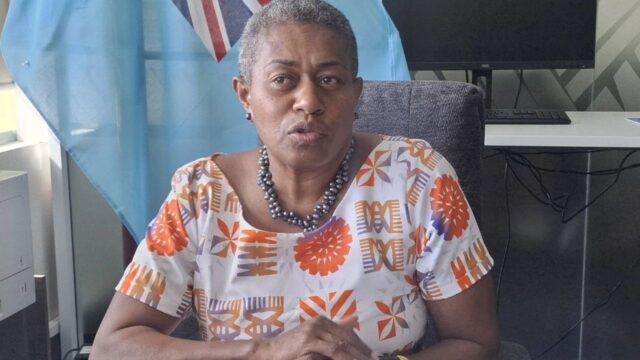
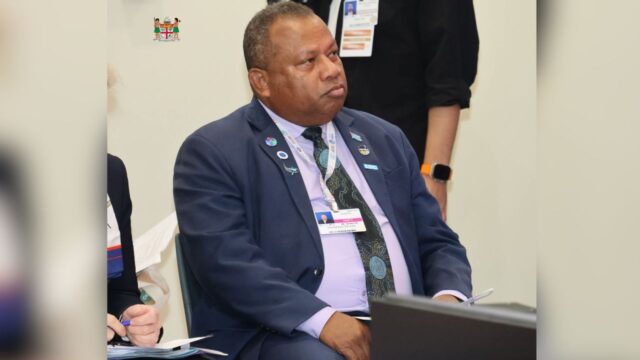
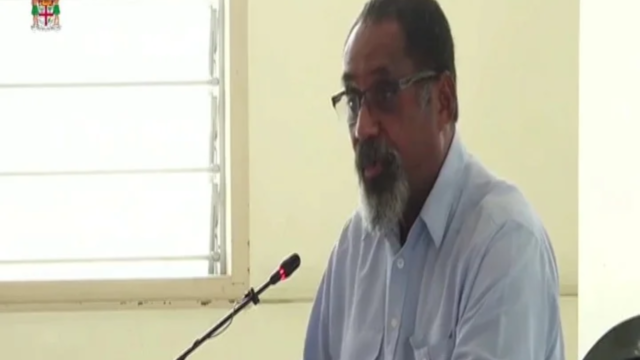
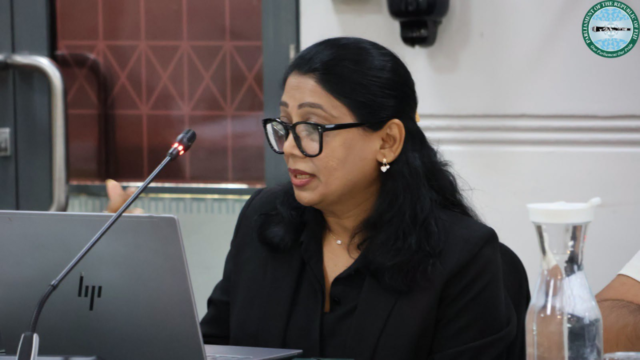
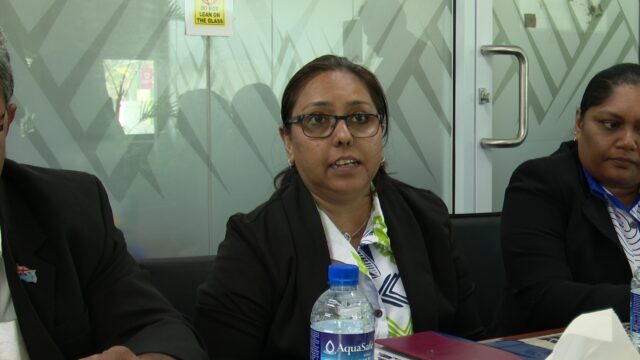
Acting Director of Public Prosecutions Nancy Tikoisuva says one of Fiji’s biggest challenges in tackling human trafficking is recognizing the signs when a complaint is first investigated.
Tikoisuva says authorities have prosecuted some cases as other offences before identifying possible trafficking.
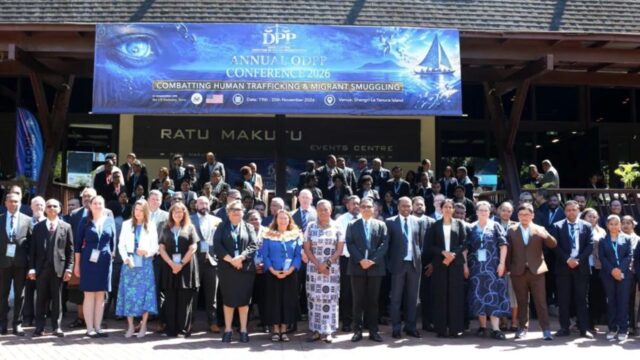
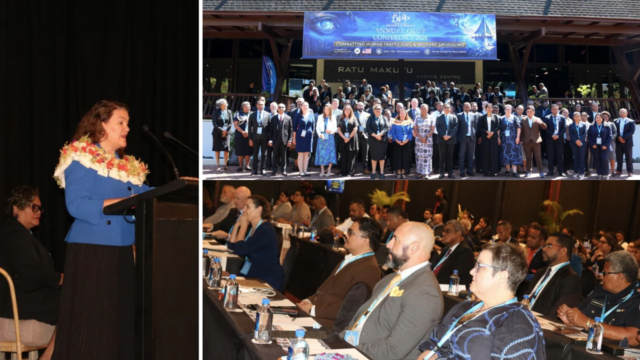
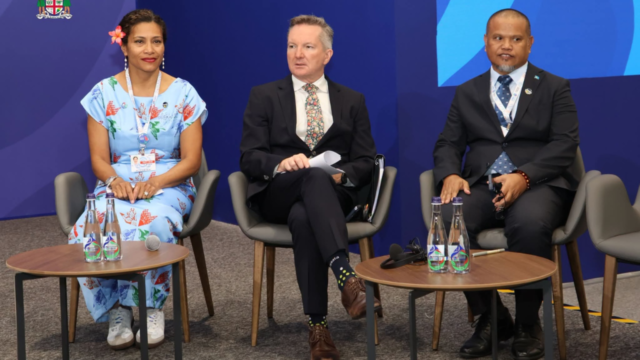
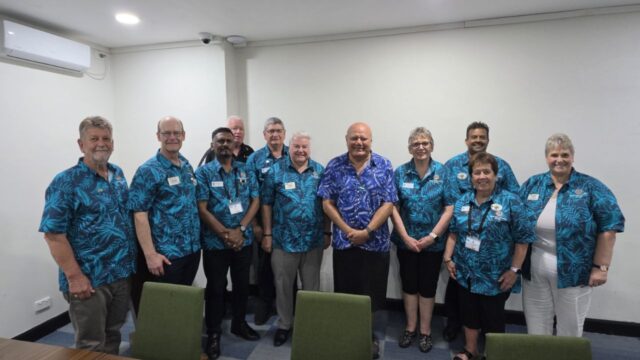
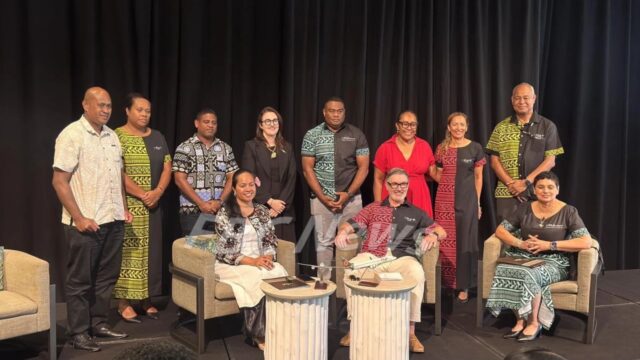
She highlighted this during a panel discussion at the Office of the Director of Public Prosecutions Annual Conference.
The Acting DPP cited a case in Tonga where trafficking came to light during an assault trial.
“I think the journey that Fiji has undergone in the past few years that we’ve been tracking the files is that these files are coming through. We prosecute in cases, perhaps as a different offense but have not identified it and say, this is potentially a trafficking offense that should be moved forward.”
Tikoisuva says delays can make it harder to pursue trafficking charges.
“The challenge is that by the time these files come through, and we have these case persons in court, a lot of that evidence is also gone in terms of making sure that the digital evidence, some of the witnesses have passed on. And so, it’s very difficult to go back and pursue that angle after a lapse of how many years of being investigated and brought before the court, even with those other offenses that we’ve identified.”
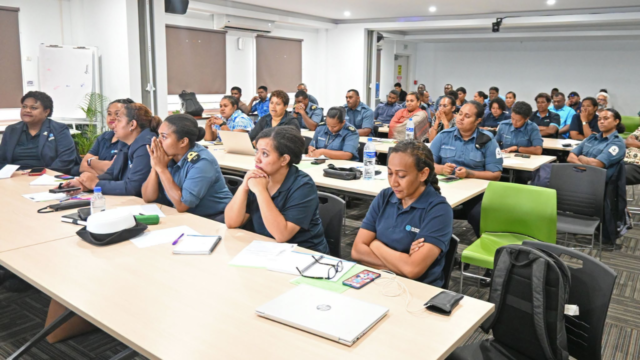
Assistant Commissioner of Police Crime, Loraini Seru, says choosing the right officer to interview a victim is also important.
“We should really be cautious on having to appoint the appropriate person that should carefully handle the victims and now we are thankful to the New Zealand Police because recently they have been running specialized training for us on video.”
A US prosecutor on the panel says investigators, prosecutors, labour officials and victim support services should work together from the early stages. She added that building trust can help survivors explain why they stayed or what they feared would happen if they left.