 Riya Mala
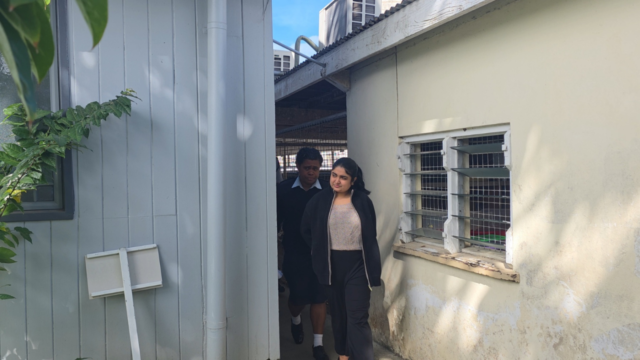
[Photo: FILE]
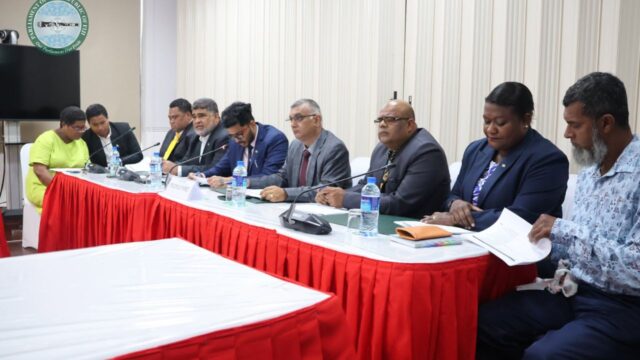
The Fiji Teachers Union is calling for the removal of “lawful and moderate chastisement” from the Constitution Amendment Bill 2026, warning it could weaken children’s protection against physical punishment.
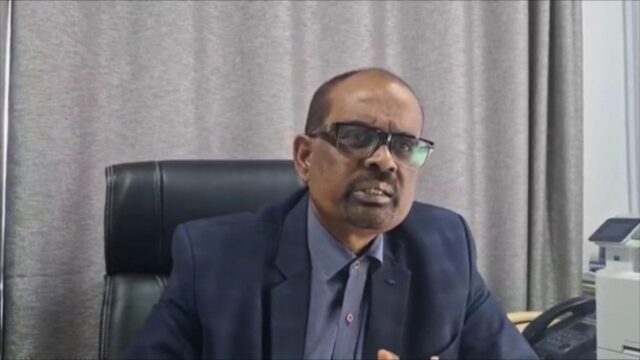
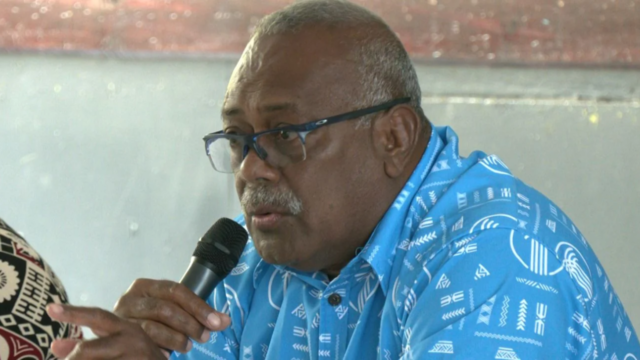
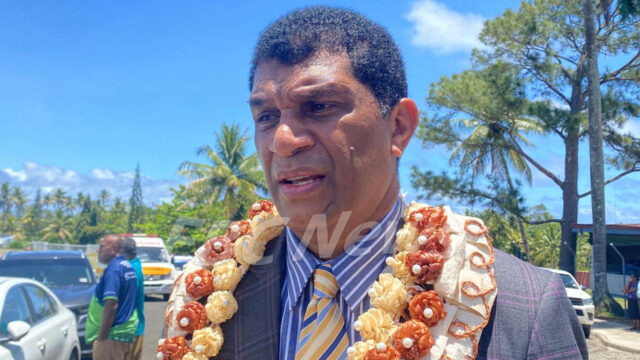
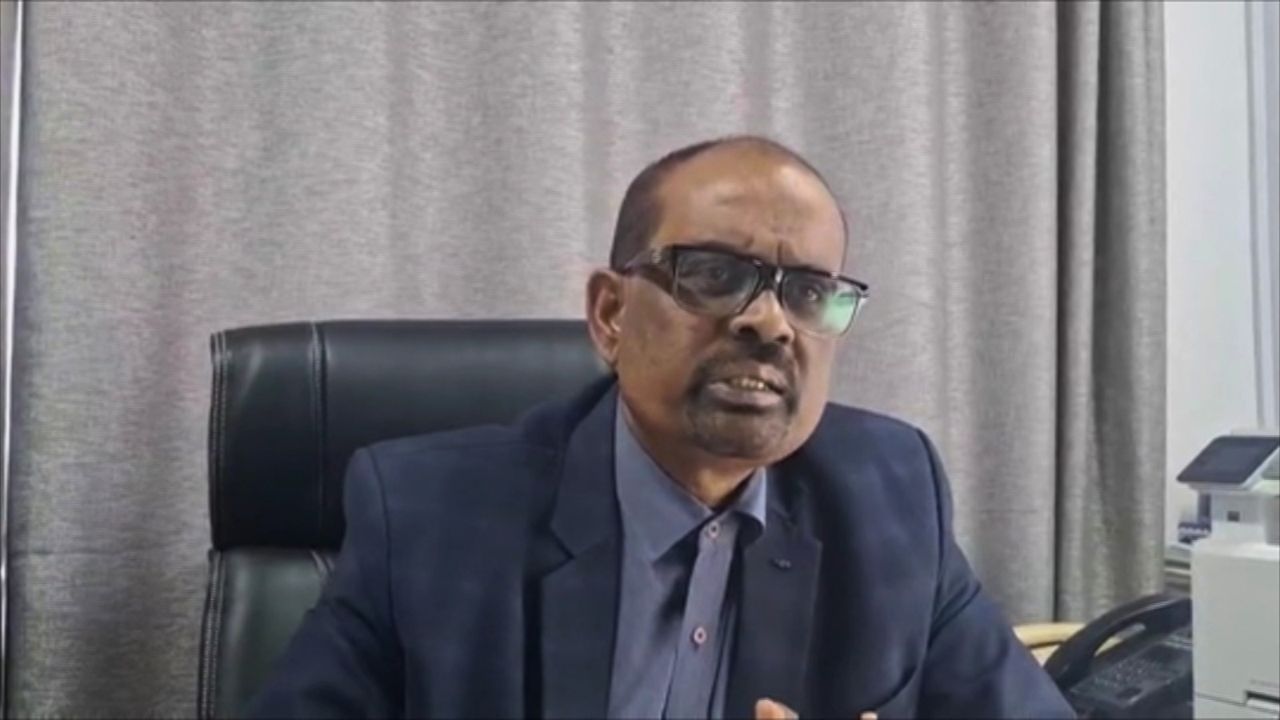
FTU General Secretary Muniappa Goundar says the union has maintained its position against corporal punishment and wants the Constitution to provide clear and unconditional protection for children against physical punishment.
Goundar says physical punishment does not necessarily improve a child’s behaviour and believes other methods can maintain discipline in classrooms.
He adds that teachers should be given proper training and clear guidelines to discipline students through counselling and other non-violent methods while protecting children’s rights.
“The Ministry of Education, as well as other stakeholders, including parents, teachers, and schools, must get together. They must get together to see how they are able to bring in discipline without the use of any force on a child. I know discipline is in our classrooms.”
Goundar says that discipline remains important in classrooms, but physical punishment should not be used as a means of improving student behaviour.
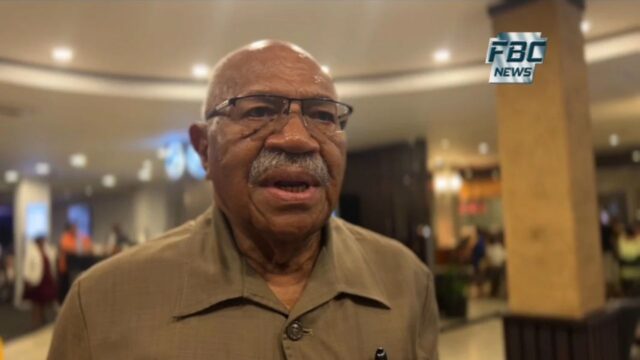
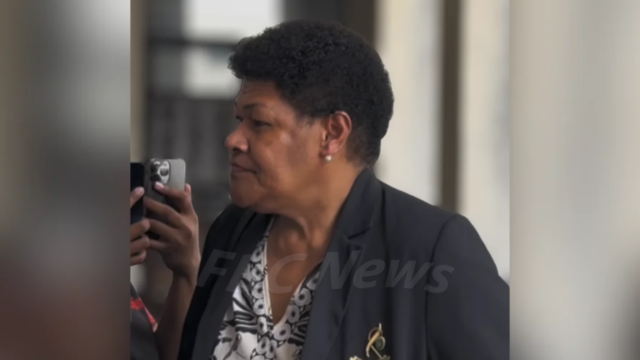
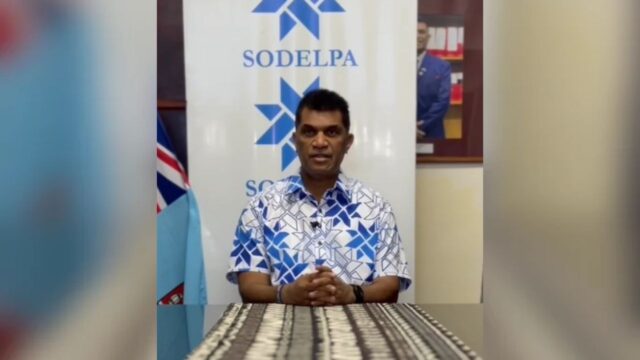
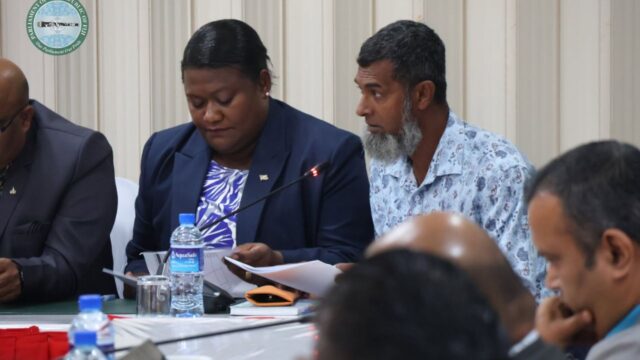
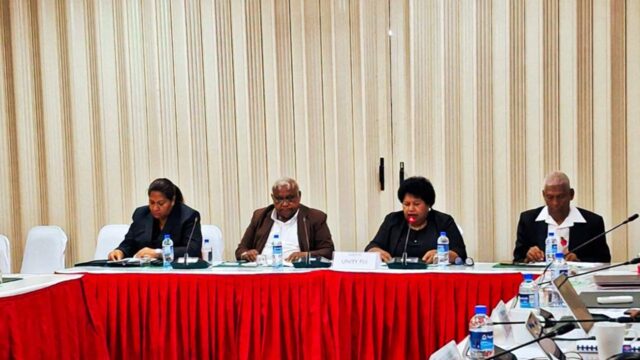
Fiji Human Rights and Anti-Discrimination Commission Commissioner Alefina Vuki is calling for the removal of the words “lawful and moderate chastisement” from the Constitution Amendment Bill 2026, warning that they could allow physical punishment of children.
Experts say the wording of the Constitution matters, as it sets the standards for how children are treated at home, in schools and in their communities.