 Lusiana Divokitira
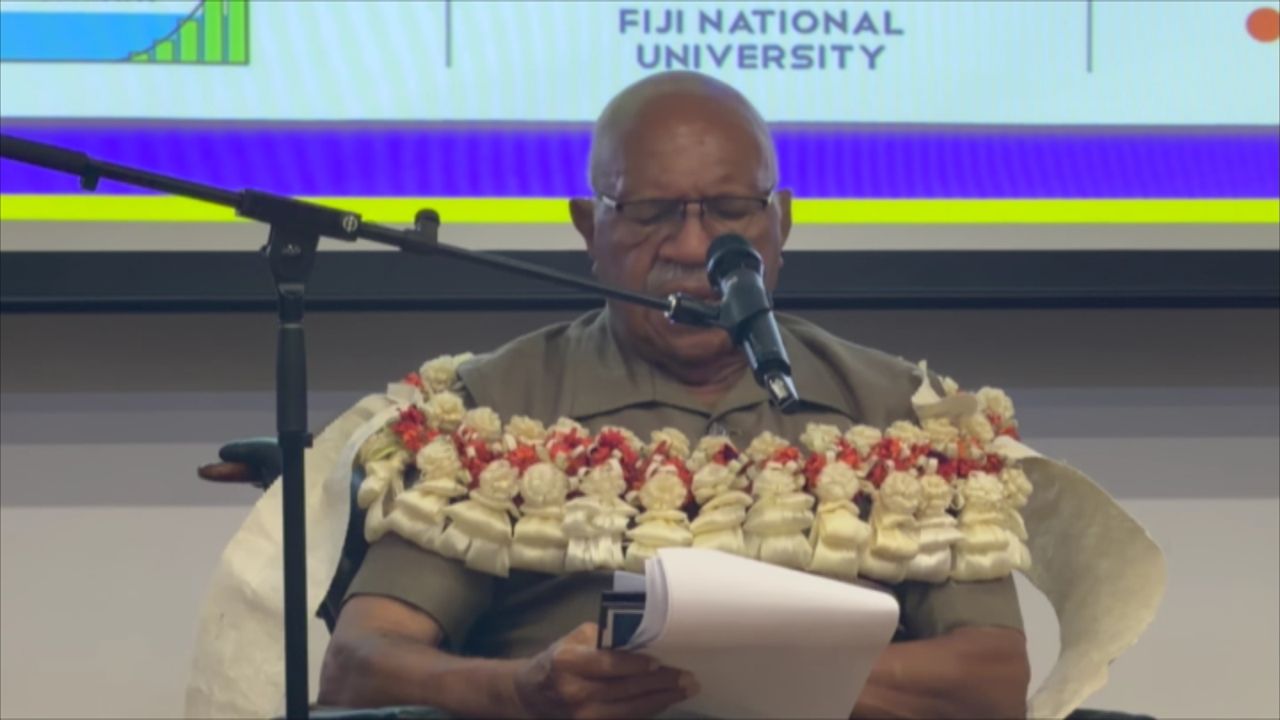
[Photo : Lusiana Divokitira]
Fiji needs an education system that produces job-ready graduates to meet industry demands and strengthen the economy.
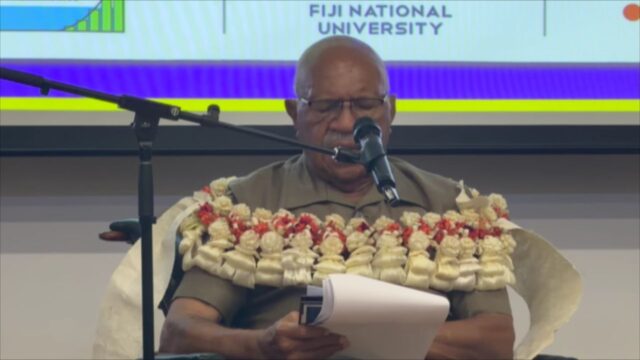
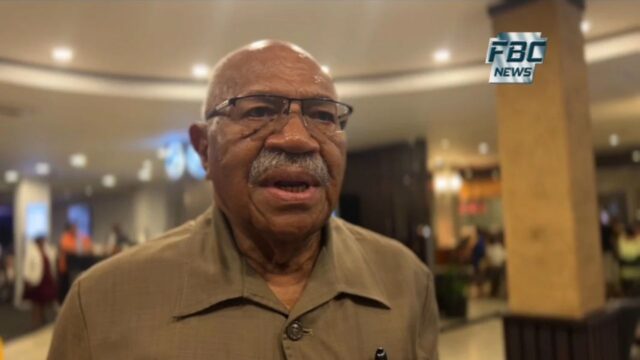
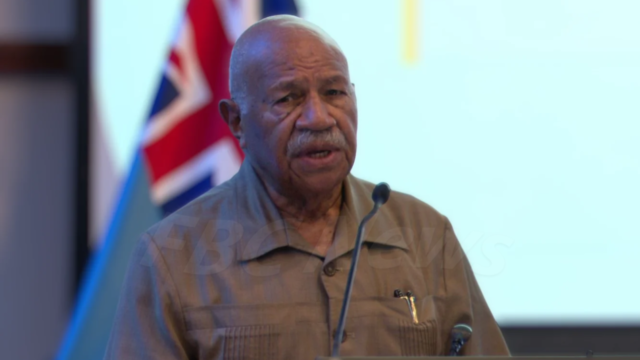
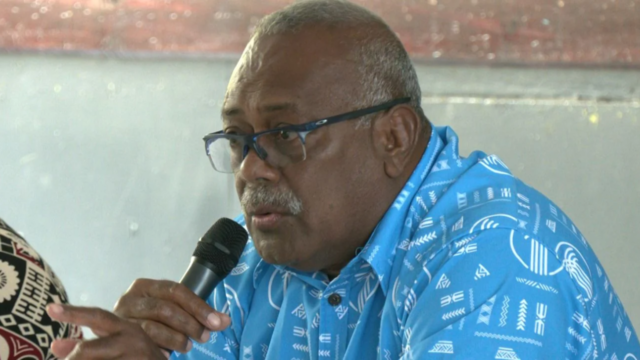
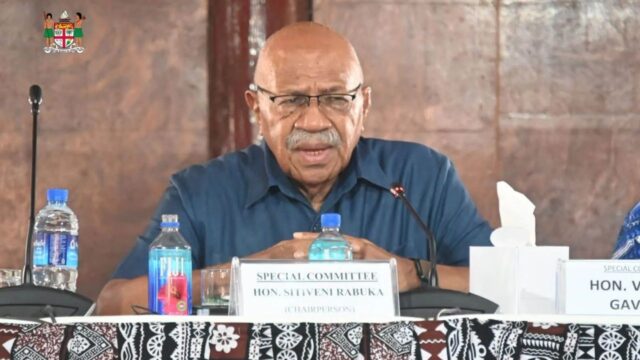
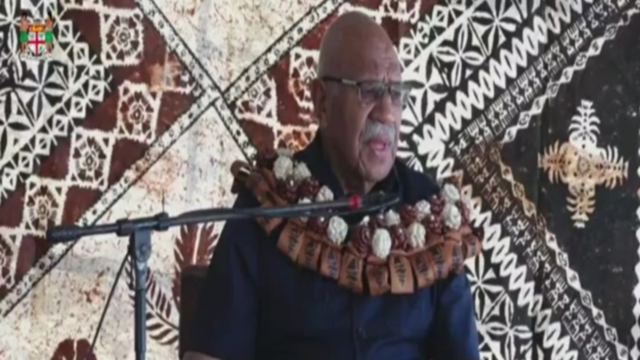
Prime Minister Sitiveni Rabuka says skilled worker shortages, youth unemployment, and the migration of qualified professionals show the need to better align training with workforce demands.
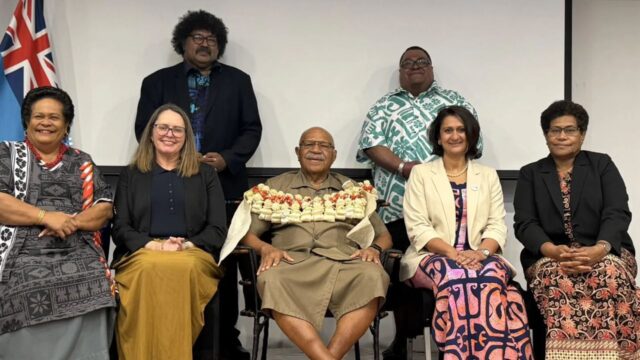
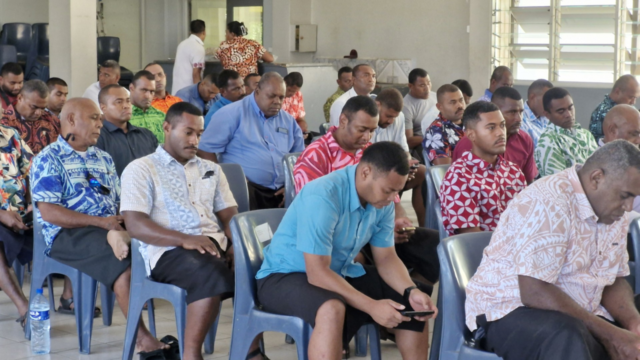
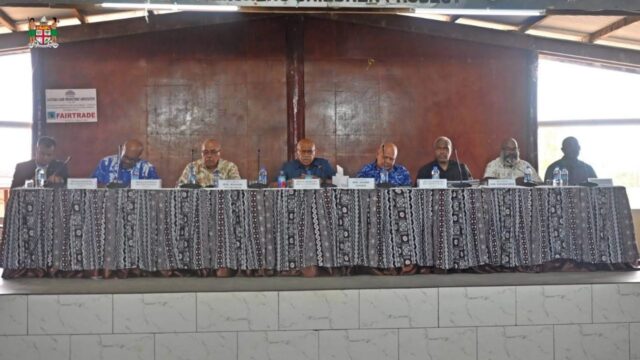
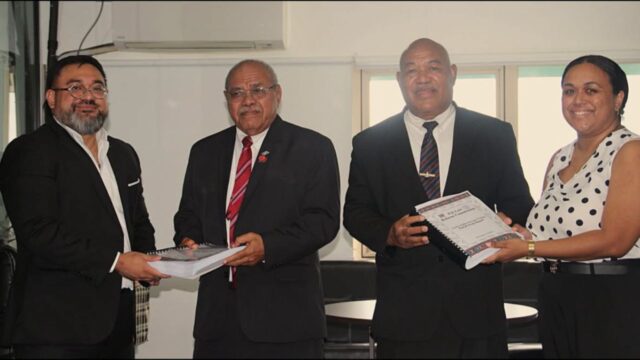
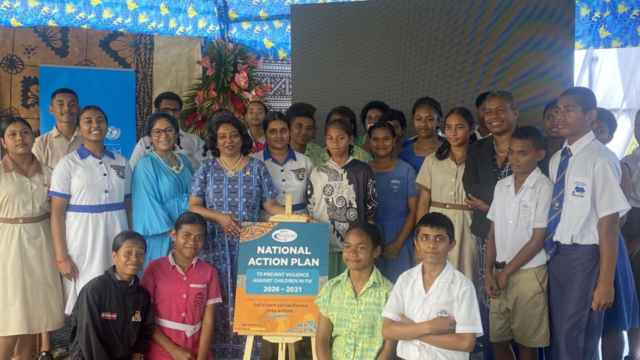
Speaking at the launch of several national development policies, Rabuka noted that the 2025 National Skills Gap Assessment identified major shortages across 95 occupational categories.
The National Strategic Human Resource Plan 2027–2031 aims to close these gaps through better workforce planning and stronger links between schools and industry.
“We must strengthen the pathways between education, training, and employment. Our educational institutions must produce graduates with relevant and marketable skills, while employers and industries must actively participate in identifying the capabilities required for our economy.”
Rabuka says Fiji must also prepare workers for emerging fields, particularly artificial intelligence, digital technology, and green industries.
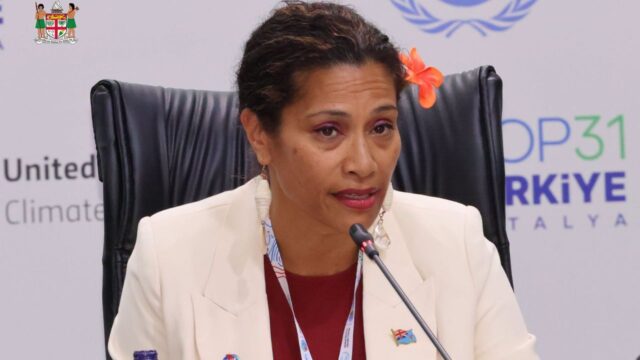
UNFPA Director Bidisha Pillai says the new National Population Policy also prioritises education to prepare young people for the workforce.
“It responds directly to the youth cohort, establishing concrete pathways for adolescent health, for education and productive economic integration so Fiji can fully harness her demographic dividend.”
Rabuka stresses that stronger partnerships between government, universities, and the private sector are vital to turning research and innovation into practical solutions – and creating better jobs for Fijians.