 Praneeta Prakash
[Photo: File]
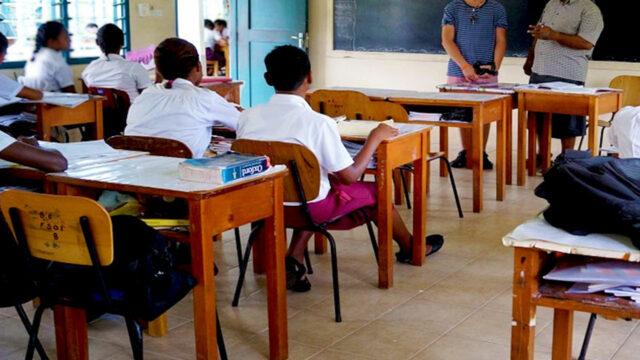
Less than two percent of students were involved in reported drug-related cases in primary and secondary schools over the past three years.
According to the Ministry of Education, the data shows that 3,627 students were recorded in drug-related cases in 2023, this decreased to 3,041 students 2024, before increasing slightly to 3,143 students last year.
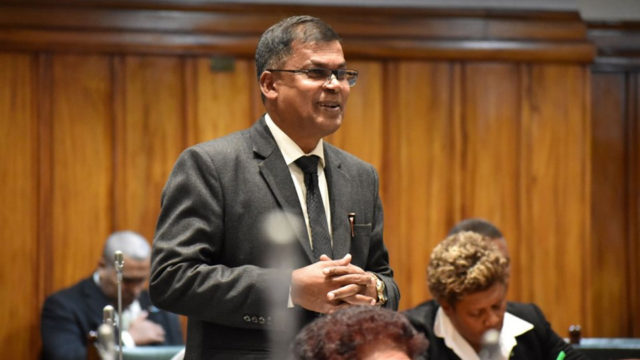
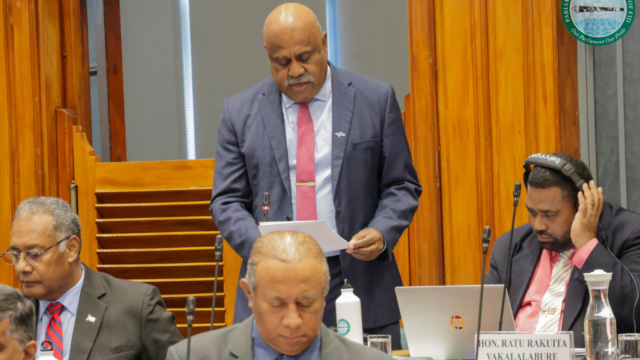
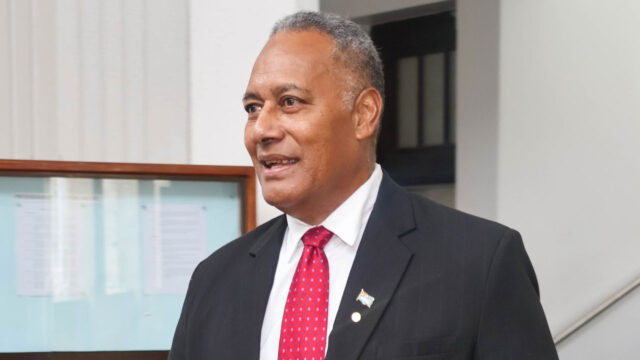
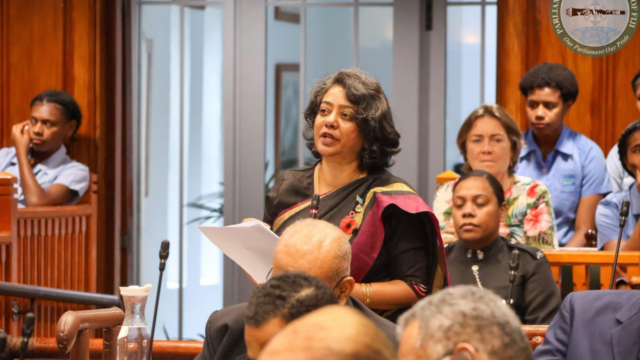
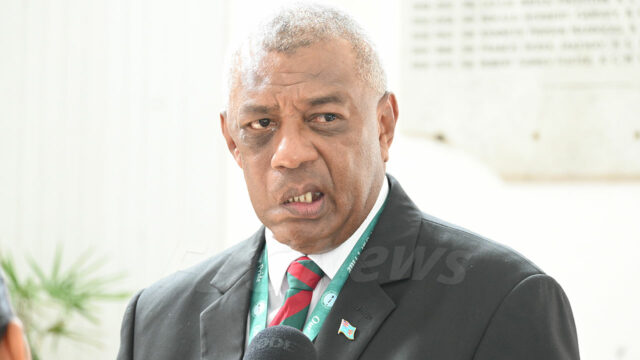
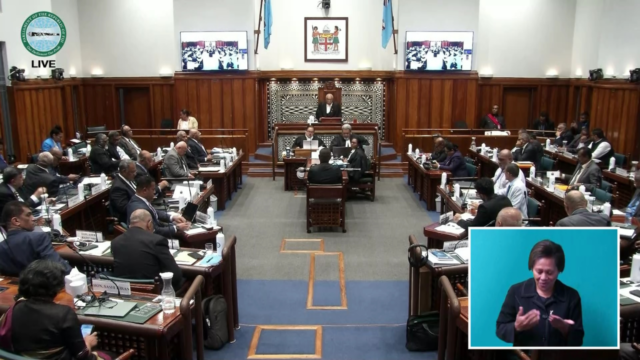
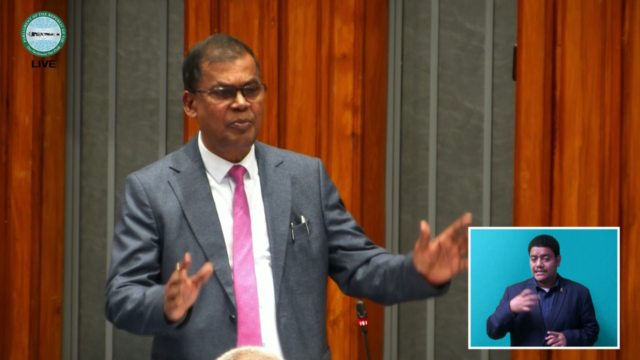
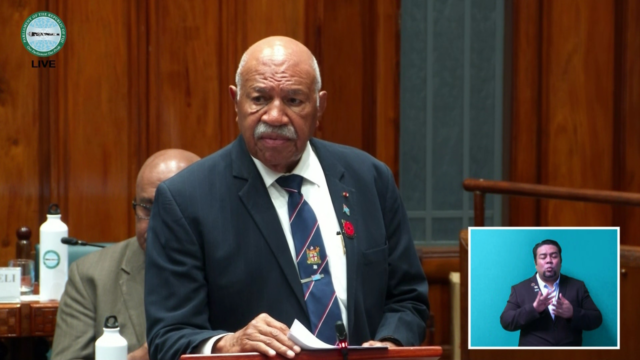
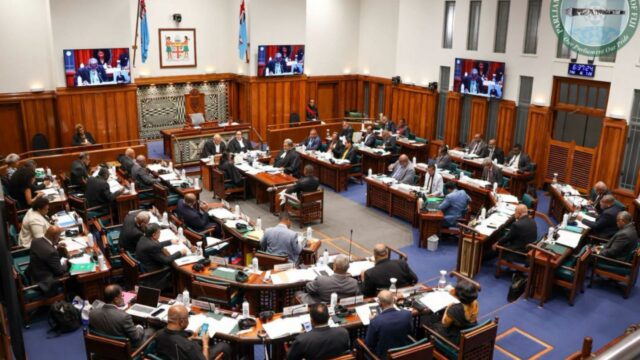
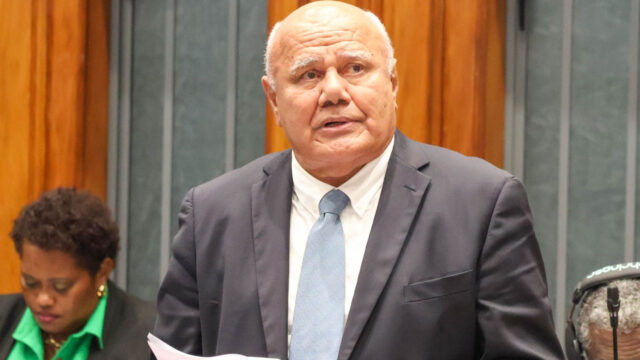
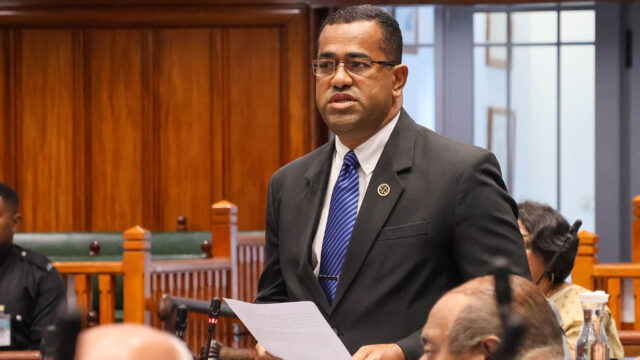
Education Minister Aseri Radrodro provided the figures in response to a written question in parliament.
Radrodro says that in 2023, 1,578 primary school students and 2,049 secondary school students were recorded, and in 2024, the figures fell to 1,658 primary school students and 1,383 secondary school students.
Last year, 1,508 primary school students and 1,635 secondary school students were recorded.
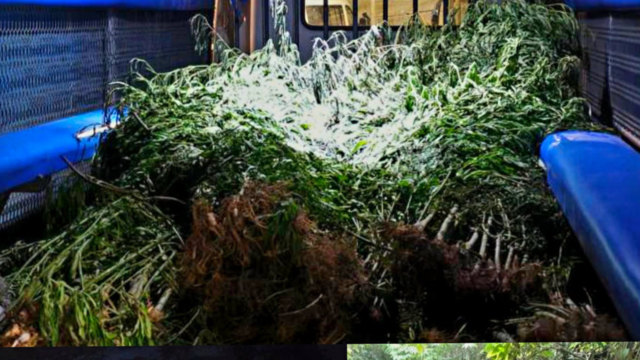
Radrodro says the figures reflect reported cases involving substances such as suki, cigarettes, vaping products, alcohol, inhalant glue and marijuana.
He stresses there have been no reported cases of methamphetamine use in schools.
The Ministry attributes the increase in reported cases, in some instances, to the establishment of Counselling Hubs between 2023 and 2025 at Natabua High School, Labasa College, Levuka Public School, and Nasinu Secondary School.
He says cases are also reported to Child Protection Officers and school counsellors.
The Ministry says most cases are now formally reported through the Counselling Hubs, compared with previous years when cases were referred to the Substance Abuse Advisory Council office.
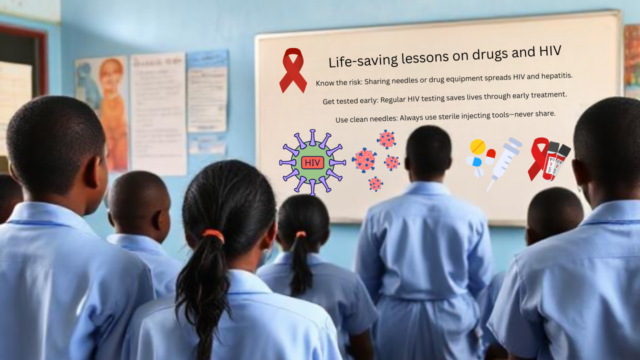
The Education Minister says they have strengthened response through intervention and prevention programmes.
These include psychosocial support, counselling and mentoring for students identified as being affected by drug use.
Schools are also guided by the Ministry’s School Drugs Policy, Child Protection Policy, Behaviour Management Policy and Counselling Policy.
The Ministry says it works with parents, the Fiji Police Force, health authorities, the Child Welfare Unit, communities, faith-based organisations and other partners to address drug-related issues.
Preventive programmes also include child protection training for teachers, student leaders and faith-based leaders, as well as awareness programmes in schools and communities.
The Ministry says the aim is to ensure students affected by drugs receive appropriate professional guidance and support.