 Reuters
Source: Reuters
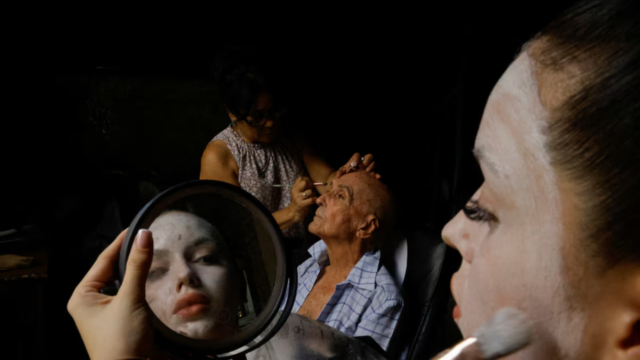
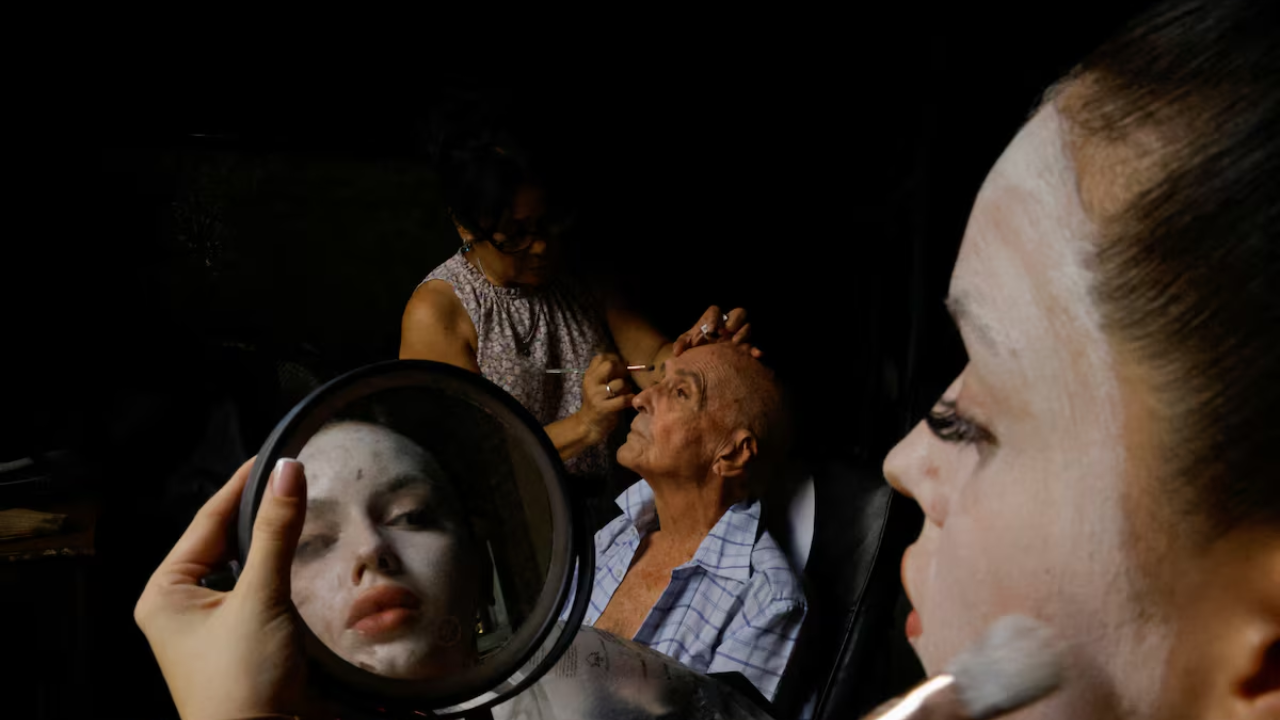
When blackouts in an upscale neighborhood of Havana began approaching 24 hours a day, morale plummeted at one of the Cuban capital’s many niche but celebrated theater groups.
“It became impossible for the actors to arrive on time; they were exhausted and struggling to cope,” said Linda Soriano, director of theater group Impulso Teatro. “I told them they were free to leave.”
But the group’s members decided the show must go on — and they kept turning up.
Cuban theater, alongside music and ballet, has long been hailed as a cultural hallmark of an island with a tradition of promoting the arts that spans centuries.
However, many of the island’s youth — actors, artists and musicians — have left the country in a record-breaking exodus since the COVID-19 pandemic.
Since January, when the US imposed a fuel blockade on Cuba in a bid to upend the communist-run government, those who remain have had to contend with blackouts spanning days, food, fuel and water shortages, and a lack of public transportation.
On a recent Friday evening, actors dripping with sweat pranced about the stage, voices echoing across a large room in a converted mansion in Havana’s Vedado business district. Candles flickered outside the theater hall, while the inside was lit by an array of rechargeable lights in all shapes and sizes — similar to those found in many Cuban homes.