 Praneeta Prakash
[Photo: FILE]
Fiji is preparing for a future where the population is expected to shrink, the number of elderly people will increase, and more working-age citizens could leave for overseas opportunities.
The Government says its new National Population Policy 2026/2035 is designed to address these challenges before they place greater pressure on the economy and public services.
Fiji’s population is projected to decline from 884,887 recorded in the 2017 census to approximately 863,737 by 2035 and at the same time, the number of Fijians aged 65 years and above is projected to more than double from approximately 49,000 in 2017 to around 100,000 by 2035.
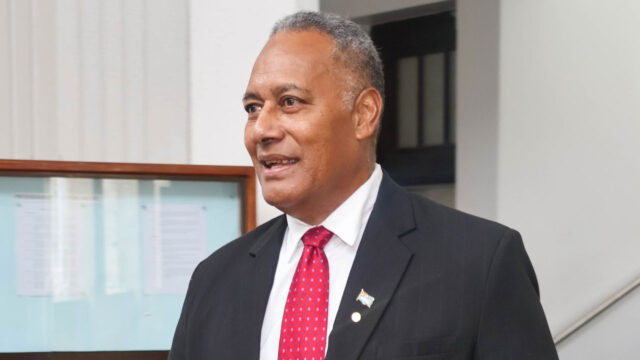
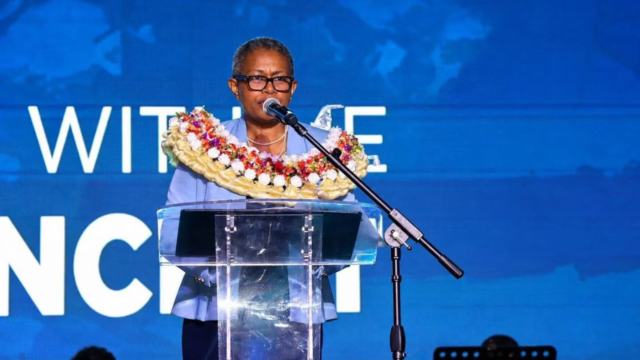
Assistant Minister for Rural and Maritime Development, Jovesa Vocea says the demographic shift will have serious economic and social consequences.
“We are facing population decline, an ageing population, outward migration, labour shortages, changing family structures, health pressures, urbanization, and increasing climate-related mobility. These are not simply population statistics. They are economic, social, and national resilience issues that will influence Fiji’s development for generations to come.”
Vocea says National Population Policy 20262035 aims to ensure Fiji is prepared for these changes while creating better opportunities for its people.
“The population trends will not change overnight, but the decisions we make today will determine what Fiji looks like in 2035 and beyond. But if we act early, invest in our people, strengthen our rural economies, and build resilient communities, we can turn demographic change into opportunity.”
Finance Minister Esrom Immanuel says the policy is aligned with Vision 2050 and the National Development Plan 2025/2029.
“It aligns with international commitment as well, apart from alignment with our sectoral policies locally. So, this national population policy is timely, as I mentioned
before, to further improve our national development and also meet our population challenges ahead.”
He says aim is to ensure Fiji does not simply react to population decline and migration, but plans ahead to build a healthier, more productive and resilient population by 2035.