 Josefa Sigavolavola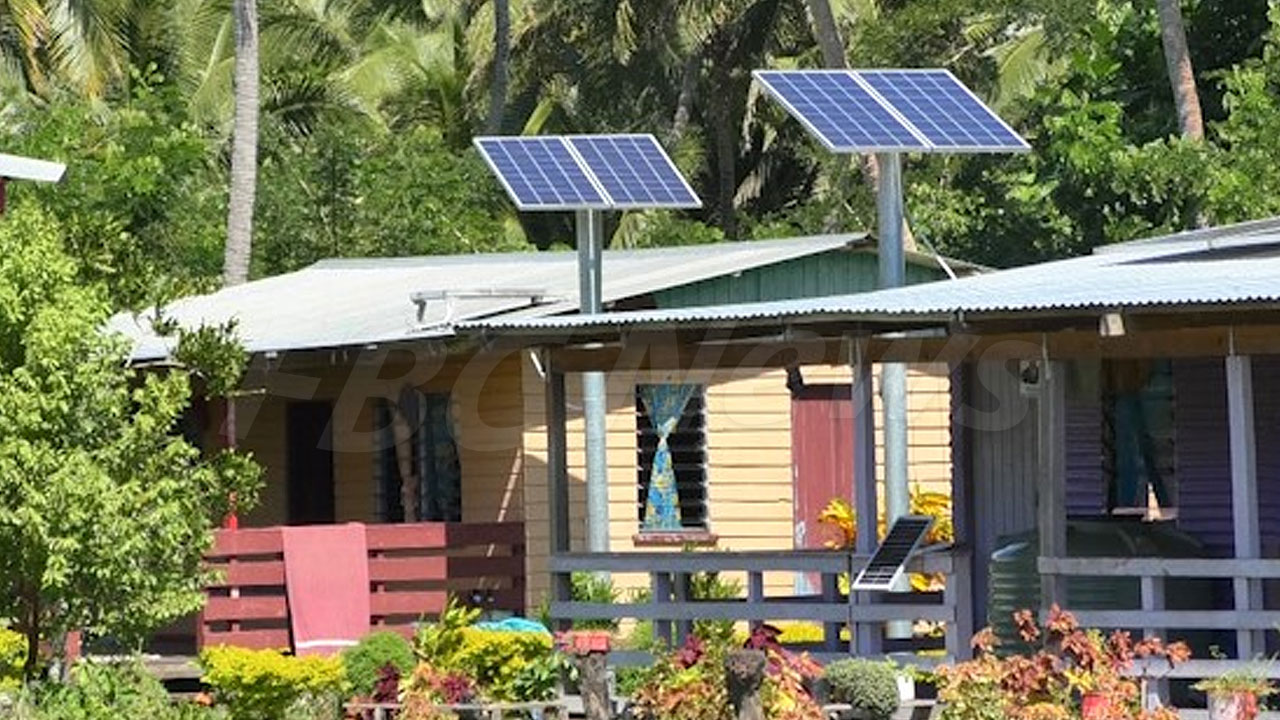
Fiji could attract up to $100 million in private-sector investment in solar energy over the next two years.
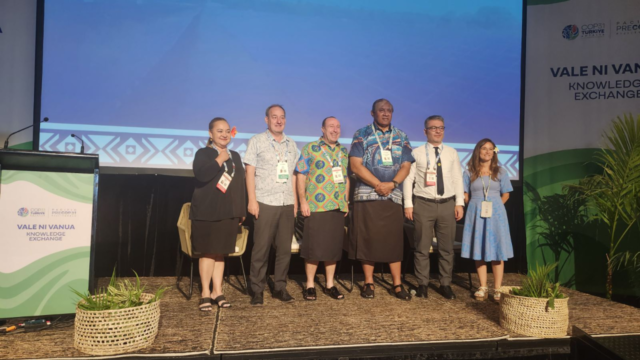
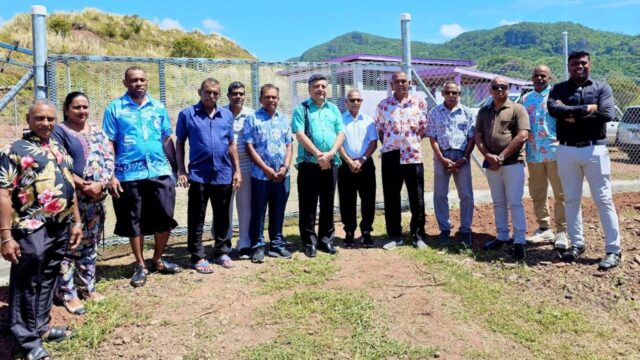
The estimate comes from International Solar Alliance Director General Ashish Khanna, as work progresses to establish the Solar Technology Application Resource Centre, or STAR-C, at Fiji National University’s Samabula Campus.
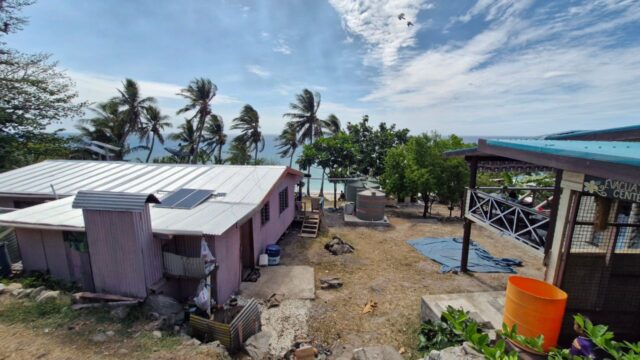
Khanna says solar and energy storage will be critical if Fiji is to achieve its target of 100 percent renewable energy within the next five years.
“So, one of our key objectives is, how can Fiji accelerate to meet its target of 100 percent renewable energy in the next five years, where solar and storage will be very critical across all elements, whether it is solar rooftops… about 300 islands… reducing the reliance on diesel through solar. And to do it all you need good local capacity”.
He says achieving this target will require stronger local expertise across the energy sector, including engineers, technicians, policymakers, utility companies, the private sector and financial institutions.
Khanna says the STAR-C at FNU is intended to help build that local capacity and develop scalable renewable energy business models.
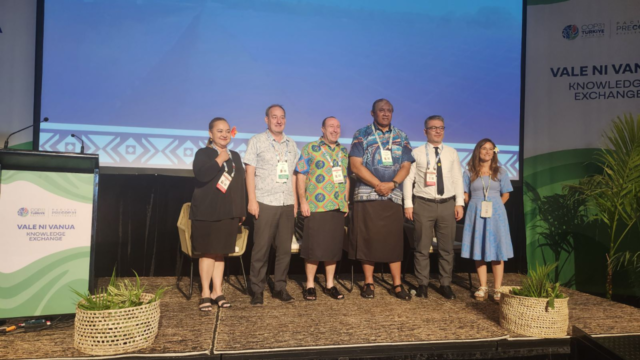
“The first is we are at FNU on the inauguration of a regional centre of excellence that we call STAR-C. This is just a start of a journey of building local capability which is very essential for an ecosystem… engineers, technicians, policy practitioners, EFL staff, private sector and financing people to be learning how to do scalable business models.”
Globally, about 95 percent of clean energy projects are financed by private capital.
Experts say Fiji will need clear policies, streamlined approval processes and strong governance to attract more private investment.
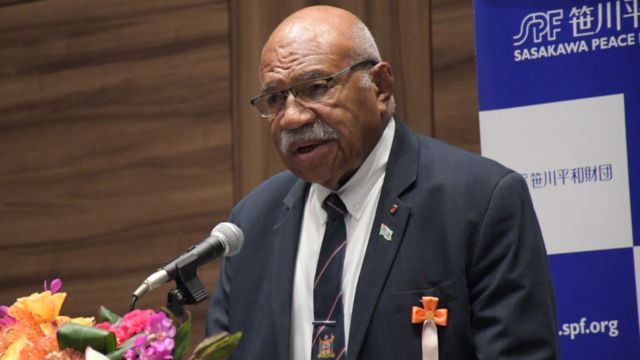
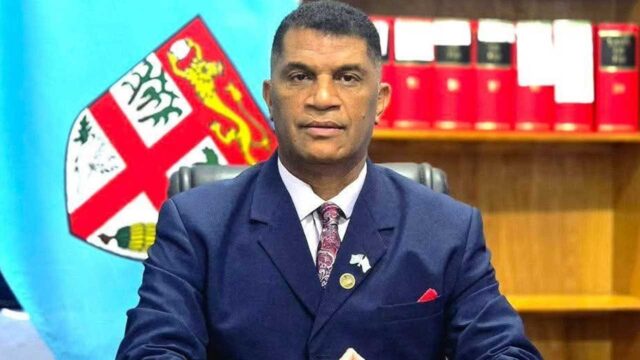
Prime Minister Sitiveni Rabuka says the shift to renewable energy can also reduce Fiji’s exposure to imported fossil fuels and the economic shocks they can cause.
“The transition to renewable energy can reduce exposure to the imported fossil fuel and the shocks that those can cause on an economy isolated like ours here in the Pacific. Strengthening domestic renewable energy capacity is therefore not only an environmental priority, it is an economic and national resilience priority.”
The government says strengthening renewable energy capacity is not only an environmental priority, but also an economic and national resilience priority.