 Sainimili Magimagi

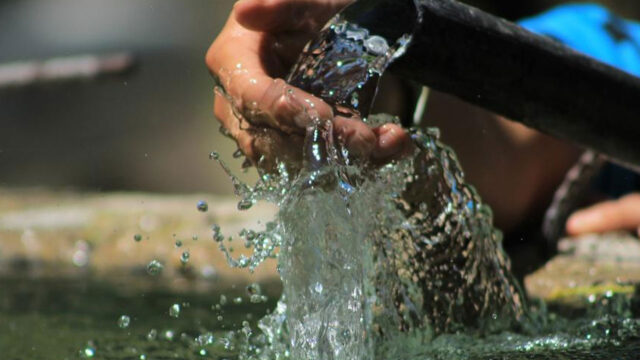
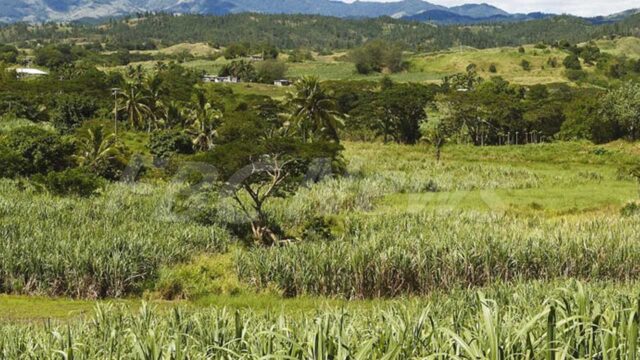
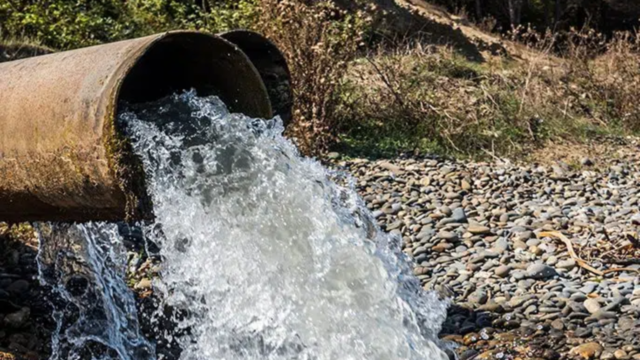
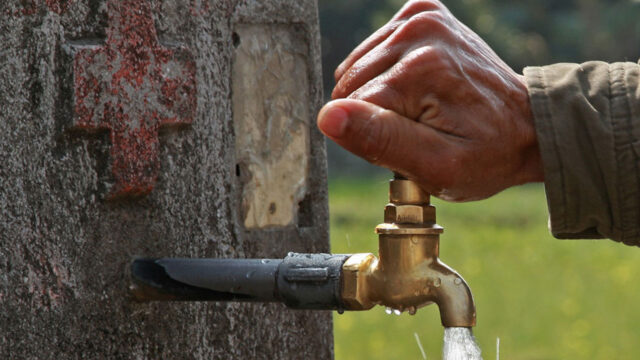
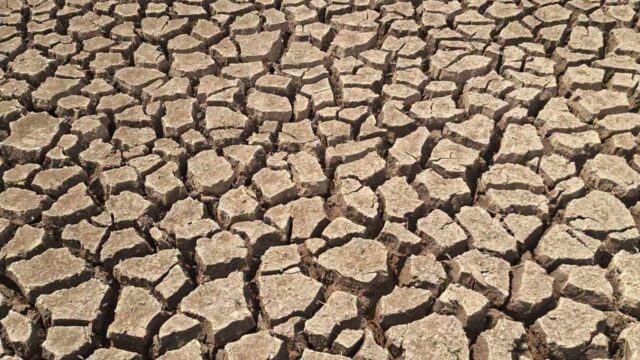
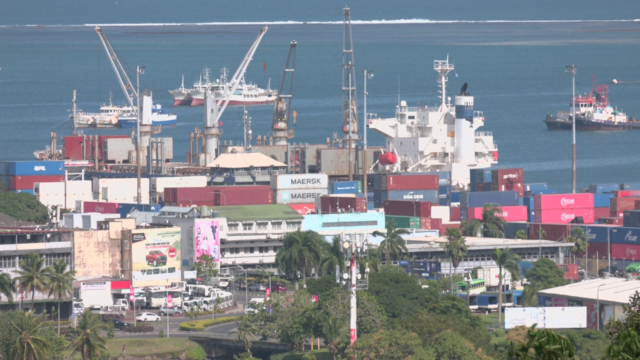
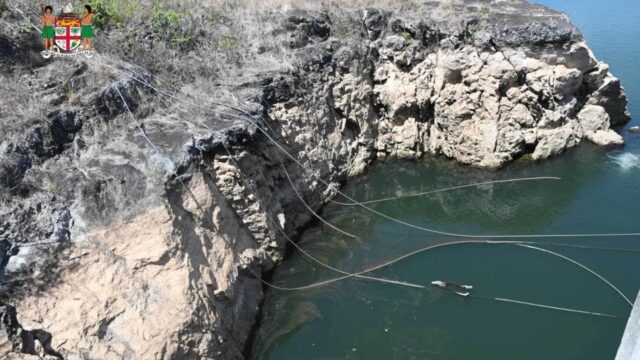
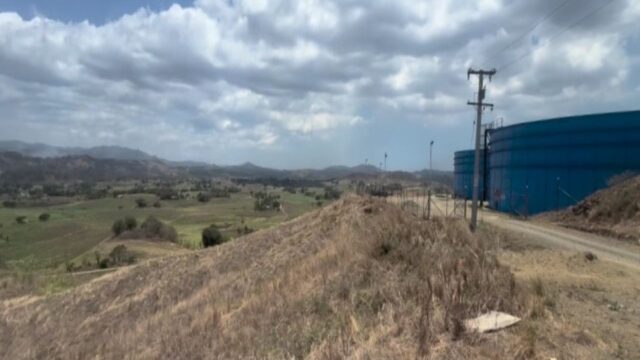
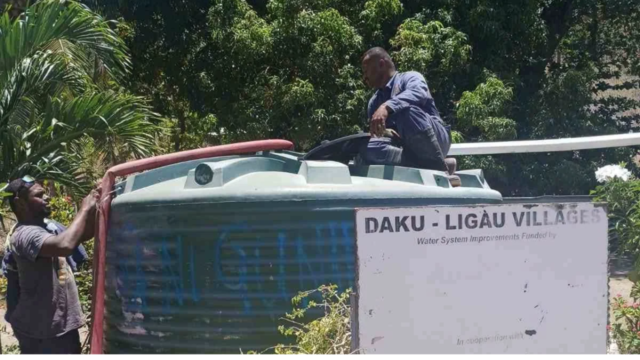
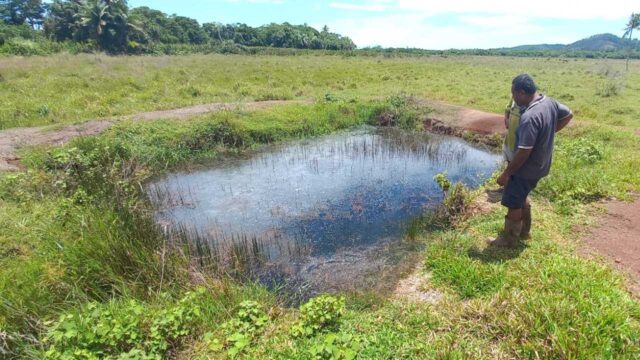
Only 27 percent of the rural population has access to drinking water that is available when needed and free from contamination. [Photo: FILE]
Despite 95 percent of Fijian households having access to basic drinking water, significant gaps remain in ensuring rural communities have safe and reliable water whenever they need it.
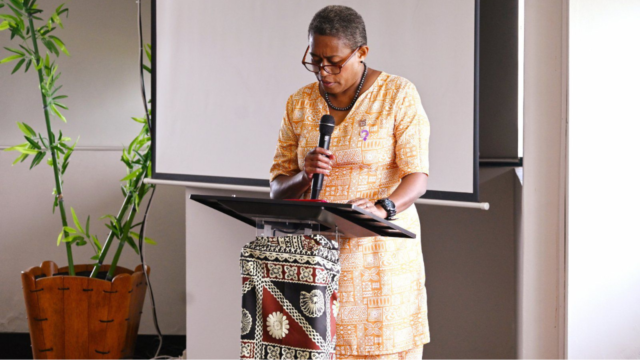
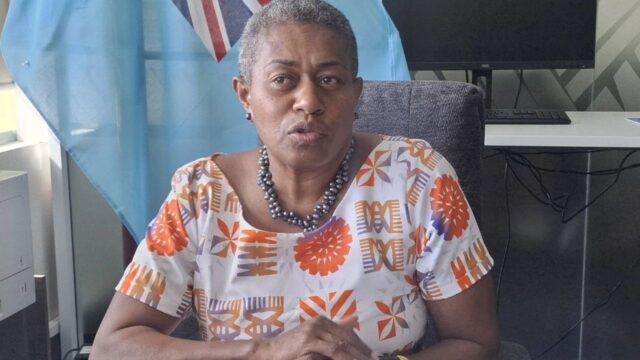
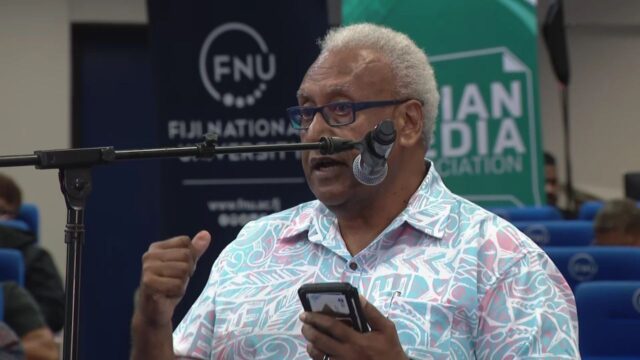
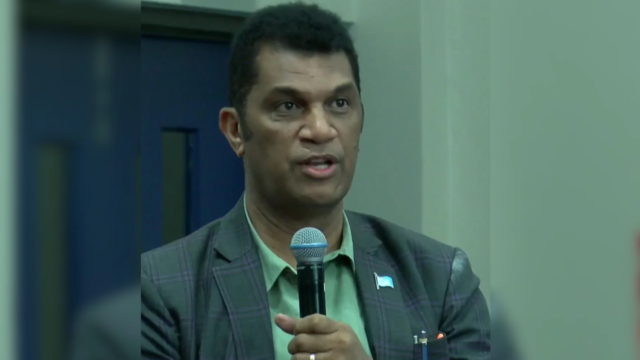
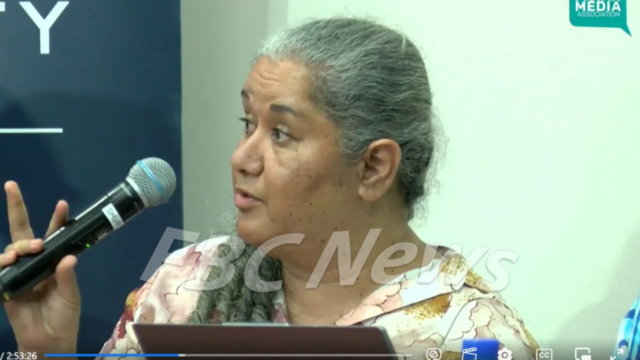
UNICEF Deputy Representative for the Pacific Roshni Basu says national statistics do not always reflect the daily challenges faced by people in remote and maritime communities.
She says only 27 percent of the rural population has access to drinking water that is available when needed and free from contamination.
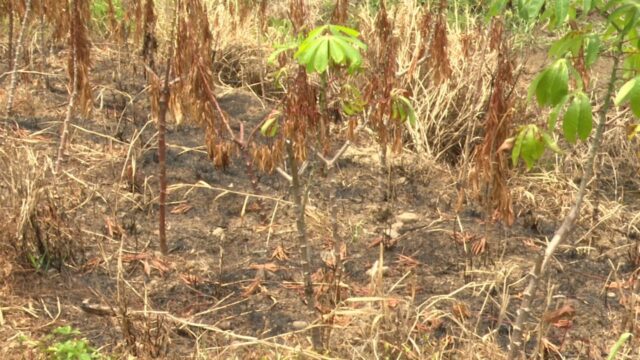
“The national survey behind this master plan covered about 1600 villages and settlements and there they found that 61% of water supply systems experienced some form of interruptions, particularly during the dry seasons and I know that we are talking about the El Nino and the drought that we are facing now as we launch this.”
Basu says the findings highlight the need to move beyond simply providing water infrastructure and focus on the reliability, safety and sustainability of services.
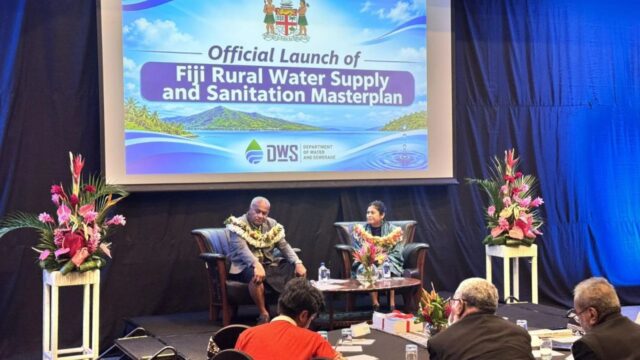
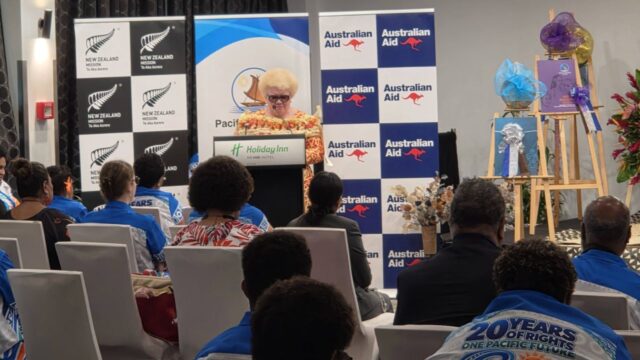
She says the newly launched Fiji Rural Water Supply and Sanitation Master Plan provides an opportunity to address these longstanding gaps.