 Associated Press
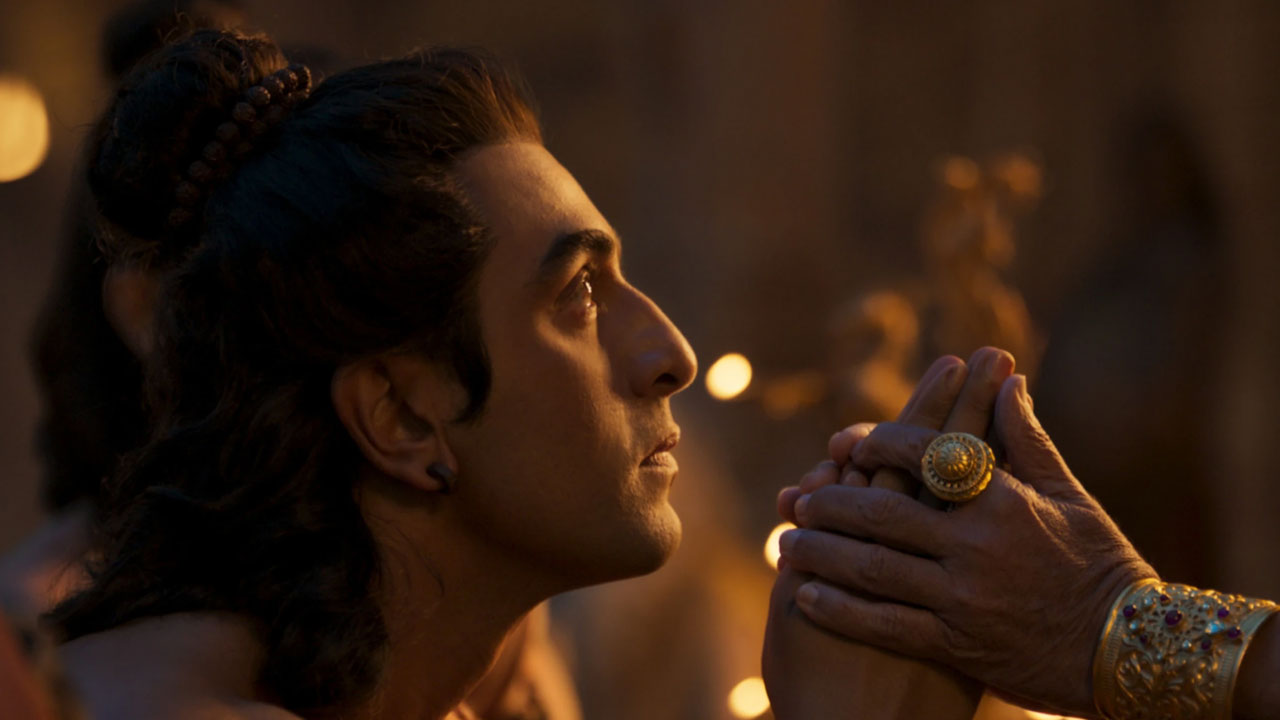
[Source: AP]
For many, the Ramayana is not just an epic with gods and superhumans shooting arrows, battling demons and zipping around in flying chariots.
Rather, it’s one of Hinduism’s foundational texts, whose stories, songs and prayers are a part of birth hymns, funeral rites and everything in between.
The Ramayana’s retellings over millennia have transcended genre as well as national, religious, linguistic and cultural boundaries.
It has also inspired religious and political movements — including the campaign for a grand temple honoring the epic’s protagonist, Rama, in Ayodhya — that helped propel Indian Prime Minister Narendra Modi and his Bharatiya Janata Party into power.
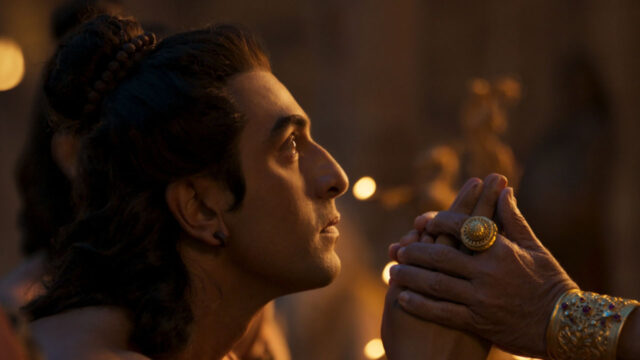
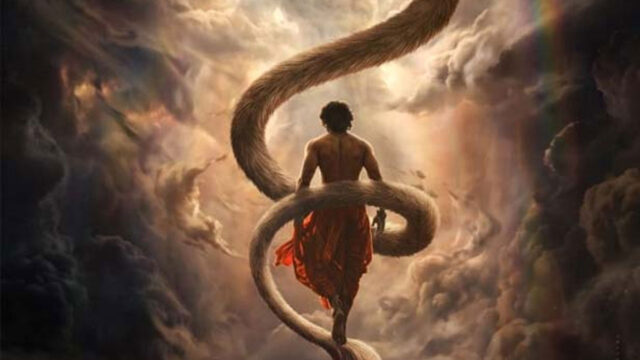
Now, the epic tale — telling the story of Lord Rama defeating the demon king Ravana to rescue his wife Sita — is the subject of “Ramayana: Rise of a Legend,” released earlier this month to coincide with Diwali.
Directed by filmmaker Nitesh Tiwari and the most expensive Indian film to ever be made, it synthesizes the star power of Bollywood, two Oscar-winning music composers and Hollywood visual effects in an ambitious attempt to bring one of India’s most revered stories to a global audience.
The film — whose second part is scheduled to be released next year — has sparked a global debate about its authenticity and faithfulness to traditional versions of the story.
In India, the film has prompted a debate over how one of Hinduism’s most sacred stories — originally composed by the poet Valmiki — should be retold for modern audiences.
For some, the film’s scale and jaw-dropping visual effects have helped introduce this epic to the world in truly dramatic fashion.
But others say its creative liberties have distorted a religious narrative that has been handed down over generations.
Ashish Agarwal, a New Delhi-based, 29-year-old IT professional, said he watched the film twice and was blown away by the production, especially the world-class visual effects “on par with Marvel movies.”
“It was also wonderful to see our culture being showcased on the big screen,” he said, adding that it’s introduced younger Indians to their own heritage while helping international audiences learn more about Indian culture.
But others like Shweta Gehlot, a 46-year-old schoolteacher, found glaring misrepresentations of the scripture with which she had grown up. She said she particularly objected to Ravana being portrayed as a just ruler while traditional versions cast him as an evil, arrogant, lustful demon or “rakshasa” who persecuted sages.
“The filmmakers should have remained more true to the source material,” she said.
While the debate around the film has not yet escalated into a major controversy in India, a Hindu group has called for its boycott and threatened nationwide protests if similar alleged distortions appeared in its second installment, which is expected around the same time next year.
The criticism has also revived comparisons with Ramanand Sagar’s celebrated 1980s television adaptation, “Ramayan,” which enthralled millions, turning a weekly Sunday morning broadcast into a collective ritual.
Streets emptied, shops closed, traffic stopped and some churches even moved services so members could watch the show.