 Mollyn Nakabea
[Photo: FILE]
An officer who works in intelligence based organisation must be randomly polygraphed, and if this is not available, their lifestyle must be audited to keep them in line.
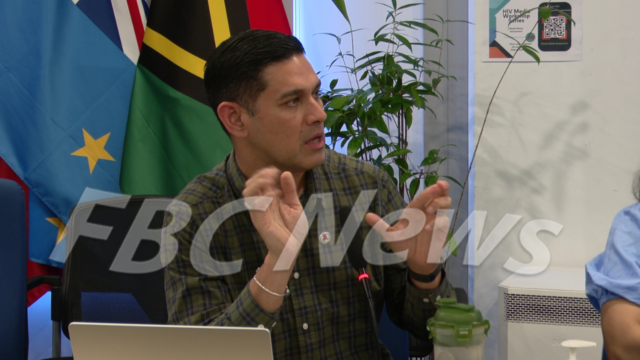
Office of the National Security Assessments consultant Amit Chand says this is where most organizations are failing because standard policing isn’t enough for high-stakes intelligence work.
Giving his view on the Counter Narcotics Bill in Suva, Chand stated hiring incorruptible people is the best way to prevent a chain reaction of bribery.
He adds that in a small country like Fiji, cartels spend millions on “narco-subs,” and to them, bribing a few key officials is just pocket change.
“The right people at the right place at the right time who can be corrupt can give intelligence to cartels and make the whole organisation and the whole operation come crumbling down. That’s what we have seen with the narcotics agency that was established. One inside access to intelligence operation plans or border controls can leak sensitive information and tip off syndicates and sabotage investigations.”
Chand suggests that it is important to invest heavily in vetting staff for the new Counter Narcotics Bureau.
He stresses that fighting narcotics shouldn’t just be a police job, as it requires a joint effort involving Customs, the Navy, and Military Intelligence.
“Finally, our institutions must prioritise national security over politics and self-protection.”
Chand also says that under the Bail Act 2002, high-risk accused persons are often released, creating opportunities for evidence tampering, witness intimidation and continued criminal activities and flight.
“I see somebody who has stolen butter gone to remand, but I will highlight this case. A prominent lawyer caught multiple times with drugs at his home by the strike back team, I believe that time. He is still on bail. There is no remand. Four times he has been caught. This is where I am saying that prosecution reforms must be made, and any drug-related offence must be a non-bailable offence.”
Chand argues that while prosecutors must be tougher, the law itself needs a major change: drug trafficking, importation, and related corruption should be made non-bailable.
He believes this will act as a strong deterrent.
While he acknowledges lawyers may disagree, Chand insists that in a public consultation, the message to drug syndicates must be clear: an arrest will lead to immediate and real consequences.