 Reuters
Source: Reuters
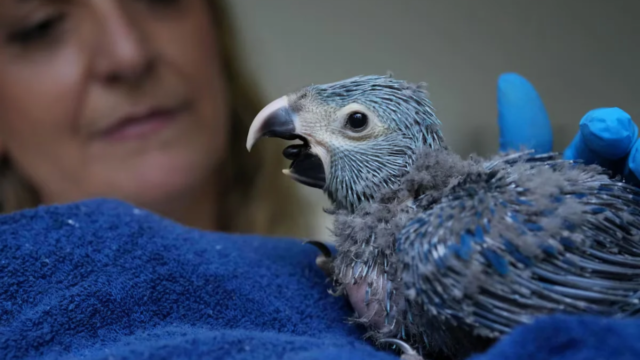
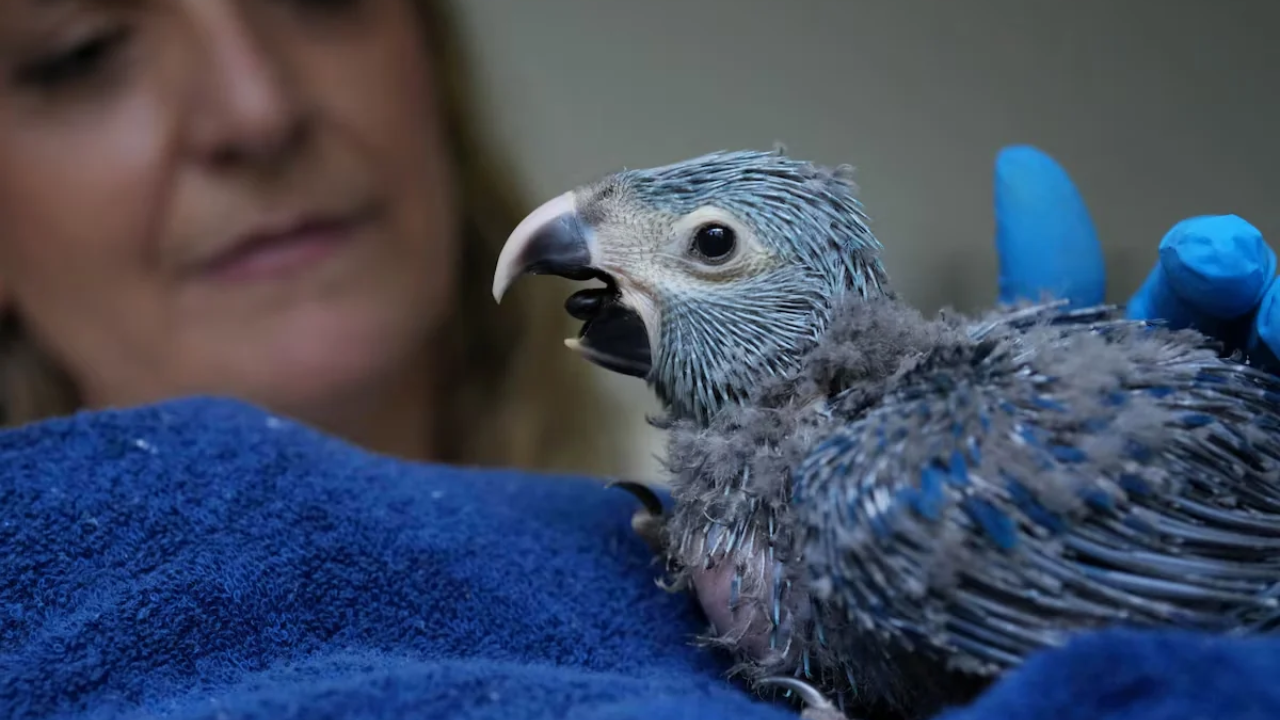
When a tiny blue chick finally broke free from its shell after weeks of anxious waiting, keepers at Brazil’s Sao Paulo Zoo saw more than the birth of a bird; they saw a glimmer of hope for a species that has vanished from the wild.
Aptly named Hope, the female Spix’s macaw born in October forms part of a breeding program aimed at rebuilding populations of one of the world’s rarest parrots.
“We chose ‘Hope’ because we hope we can give a better future to this species,” said Fernanda Guida, head biologist at the zoo’s bird division.
Hope’s arrival followed a tense 28-day artificial incubation process. Zoo specialists removed the egg for monitoring and eventually intervened when the bird struggled to hatch. Brazil’s environment ministry backs the zoo’s program.
“It was 28 days of suffering until we saw her hatch. She needed help, we had to remove her from inside the egg because she was badly positioned, and then she hatched,” Guida said.
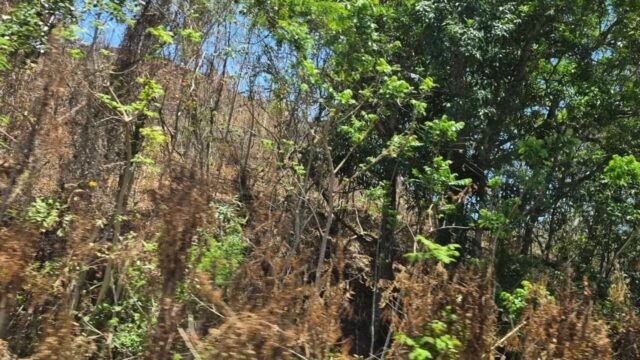
Native to the Caatinga region of northeastern Brazil, Spix’s macaws were pushed to the brink of extinction by deforestation and decades of trapping for the illegal pet trade.