 FBC News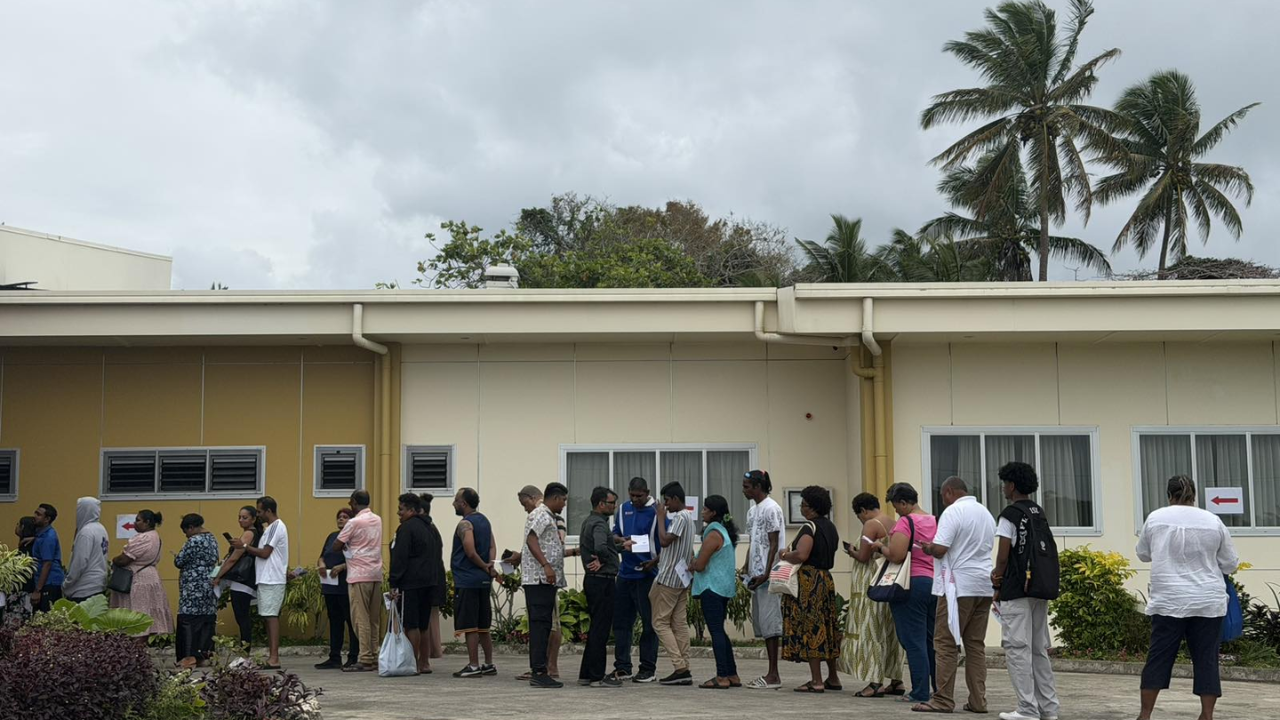
[Photo: Ashlin Sharma ]
Poor vision is affecting children’s ability to learn, with thousands identified through a nationwide free eye screening campaign.
More than 43,000 children have been screened for vision problems, with refractive errors found to be the most common issue.
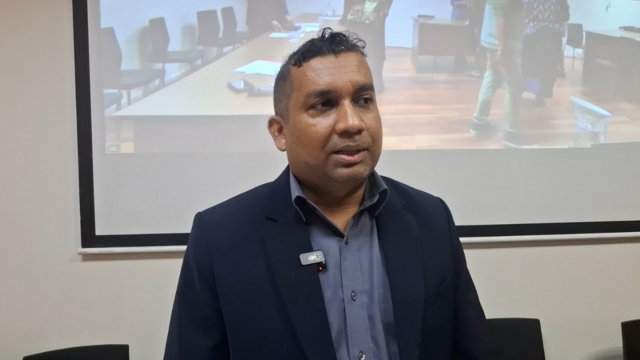
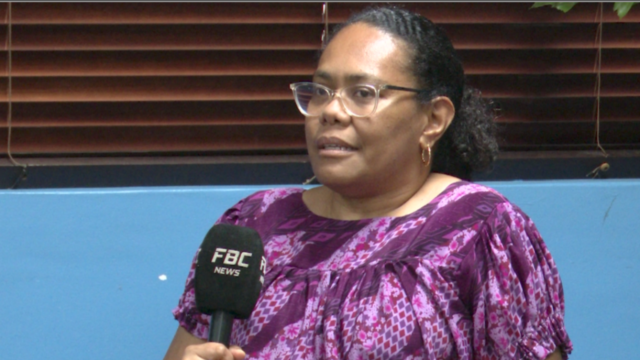
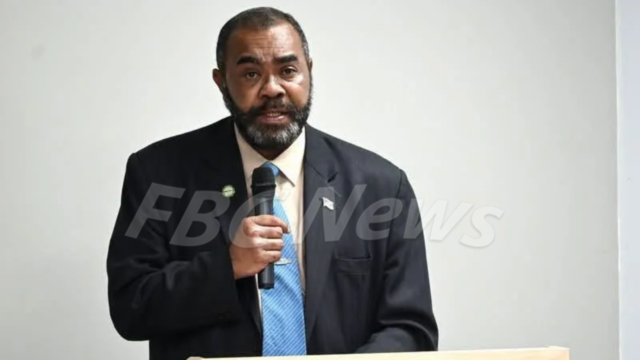
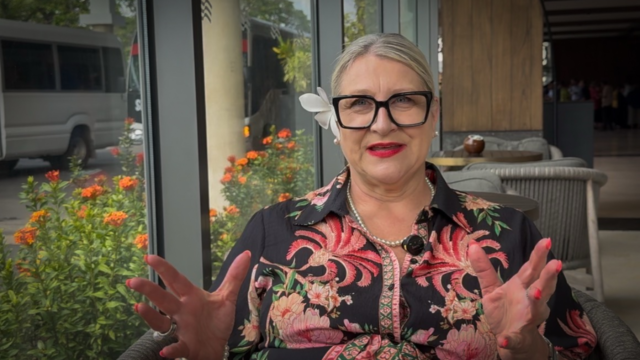
Sai Prema Foundation Fiji Director Dr Krupali Tappoo says early detection is important because poor eyesight can affect a child’s learning and development.
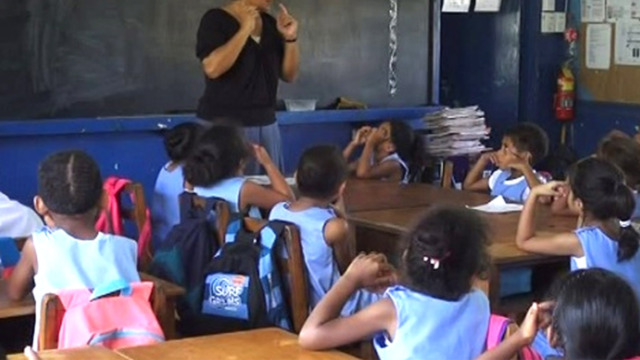
She says some children may be seen as struggling academically when the real problem is that they cannot see properly.
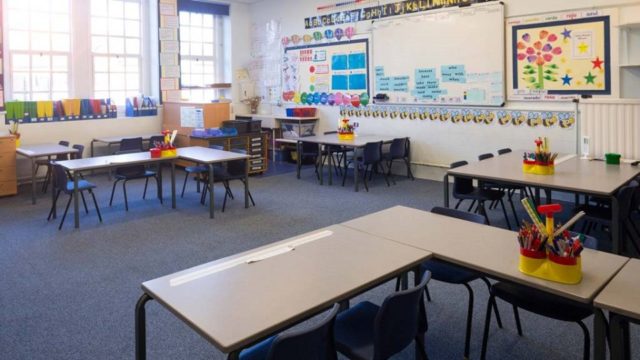
“Vision is so important, and if you think about young children when children are in a classroom and if they’re not able to see, they’re not able to understand, they’re not able to process, it has an impact on their learning, on their development, and I believe with this vision screening you’re really able to make a difference to the life of a child who may otherwise seem that they’re very dull or they’re not intelligent but it could be a simple issue of this child not being able to see”.
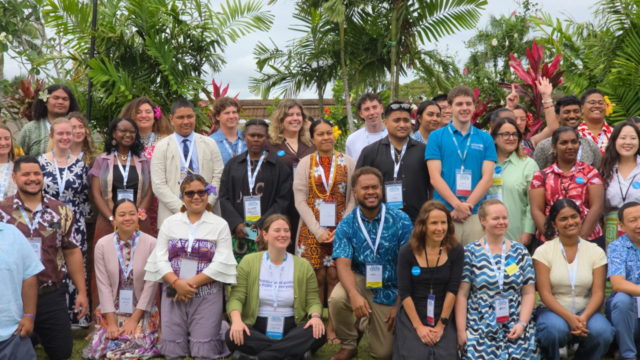
The screening team, led by Dr Nitin Shah from the Anekant Community Centre in the United States, visited more than 80 schools across the Western Division.
Dr Shah says between three and five percent of children screened at most schools needed glasses, while some schools recorded rates as high as 10 to 12 percent.
Children identified with refractive errors were provided with free glasses.
“Children with refractive errors mean that they need glasses. Luckily, for the most part in most schools, it was about 3 to 5% of the children who required glasses. There were some schools where it was 10 to 12%, but very few, so the majority. So it’s mainly refractive errors in children, but they can have astigmatism, squint and other things. Astigmatism will be picked up by the machine, but many other conditions will not be picked up by the machine because, remember, here we are focused only on one thing: whether you need glasses or not”.
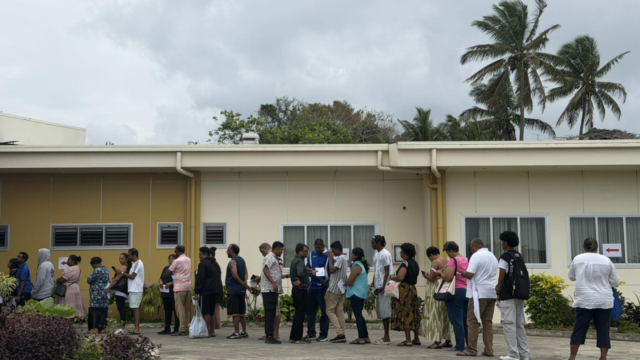
The campaign has also screened more than 900 people at the Shri Sathya Sai Sanjeevani Medical Centre and Heart Hospital.
Of the 907 people screened, 384 needed simple prescription glasses, 112 required complex prescriptions, while 220 were referred for further assessment for conditions including cataracts and pterygium.
The campaign has brought 14,000 ready-made spectacles from India, while complex prescriptions will be prepared in India and sent back to Fiji.
The team conducted more than 25,000 screenings during its 2025 visit and is now aiming to surpass 50,000 screenings.