 Reuters
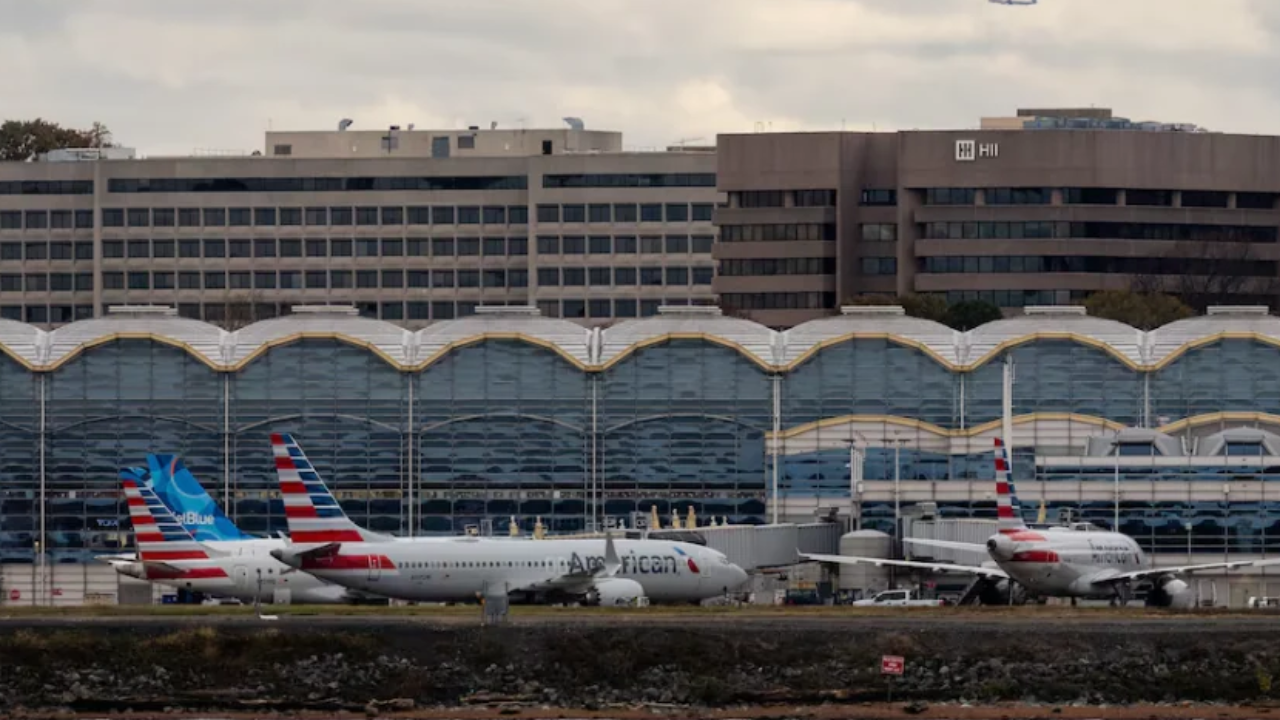
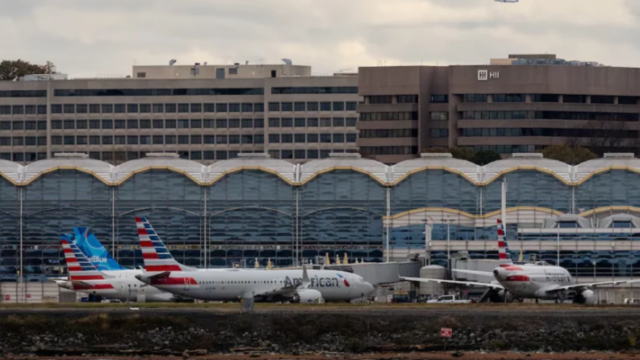
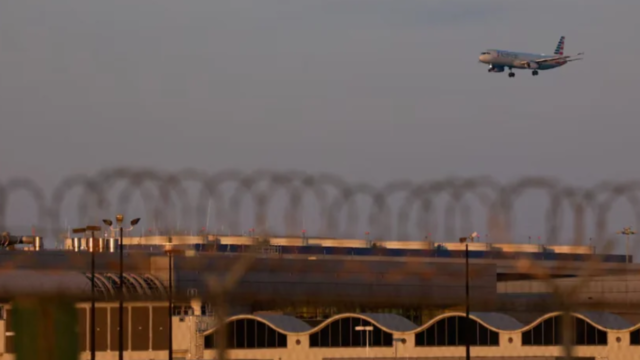
A JetBlue and American Airlines planes park at gates at Ronald Reagan Washington National Airport. [Photo Credit: Reuters]
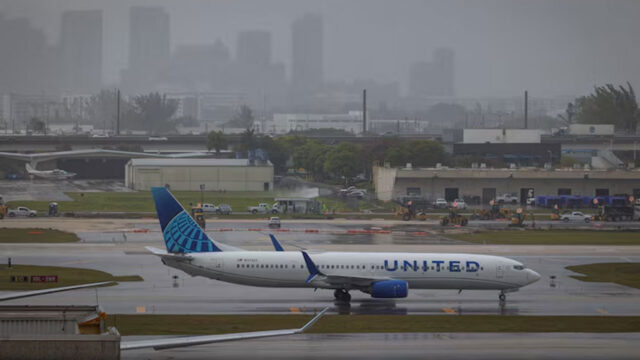
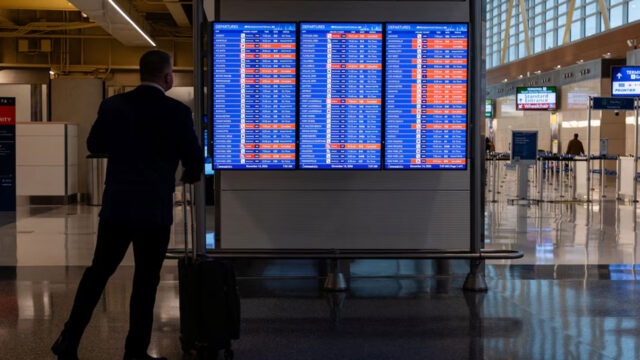
US air travel disruptions continued for a third day with more than 10,000 flights affected on Sunday, but Transportation Secretary Sean Duffy predicted a return to normalcy by Monday even as airlines scrambled to get back on schedule following a systemwide ground stop.
More than 2,300 flights nationwide were canceled and some 7,700 were delayed on Sunday, according to aviation data site FlightAware. Airlines on Saturday had canceled more than 6,400 US flights and delayed more than 8,000.
Duffy said on ABC’s “This Week” program that there was no evidence of a cyberattack or other malicious intent in the matter, but the cause remained unclear. Duffy said that flights would come “back to normal” on Sunday “but probably fully normal” on Monday, and emphasized the Federal Aviation Administration’s focus on keeping passengers safe.
On Sunday, 28% of JetBlue (JBLU.O), opens new tab flights and 17% of American Airlines (AAL.O), opens new tab flights were canceled, with United Airlines (UAL.O), opens new tab, Southwest and Delta (DAL.N), opens new tab reporting cancellations of 3% to 5% of their flights.
The FAA issued a nationwide ground stop on Friday that halted nearly all departing flights for almost five hours. It was the longest nationwide halt to US air travel since the September 11, 2001, al Qaeda attacks on the United States.
The installation by FAA contractor L3Harris (LHX.N), opens new tab of at least one new router at a remote facility led to a situation in which other air traffic control centers were overloaded with a flood of data that hampered communications systems, according to officials.
Duffy said on Sunday that the replacement of a router at an FAA facility in El Dorado, Arkansas, triggered problems with a recently replaced router in Amarillo, Texas, which started broadcasting and overloading routers at other air traffic control centers across the country.
The “functionality of the originating routers” has been disabled, the FAA said on Sunday, adding that it did the same for about 60 similar routers in the air traffic control system. But the FAA still does not know what ultimately caused the problem that occurred with maintenance work that had been done thousands of times before without issue, Duffy said.
The worker who installed the router was “a good American patriot, we believe, a veteran — so we don’t think that someone tried to sabotage the network on the install,” Duffy said. “But we don’t actually have the root cause.”
Friday’s disruption is the latest and most dramatic sign of strain on a US air traffic control system beset by aging technology, equipment and communications problems and a shortage of several thousand controllers.
The routers that experienced issues were purchased in 2001 and were obsolete by 2006, Duffy said. Since Friday, Duffy has called for $50 billion in funding to upgrade air traffic control systems, up from his earlier request of $30 billion — after Congress approved $12.5 billion last year.