 Josefa Sigavolavola
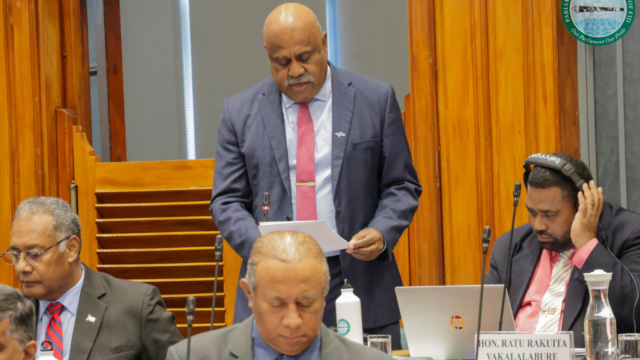
A former Parliamentarian is calling on the Government to urgently formalize village by-laws as part of Fiji’s response to the drug problem, arguing that community-based enforcement is a critical missing link in current legislation.
In a recent submission, Niko Nawaikula stated that Fiji once maintained effective governance through village by-laws, traditional leadership, and native courts.
However, these systems have weakened because they were never updated or integrated into modern legal frameworks.
Nawaikula argued that restoring recognized by-laws would grant communities the lawful authority to respond to drug activities while remaining consistent with the Constitution.
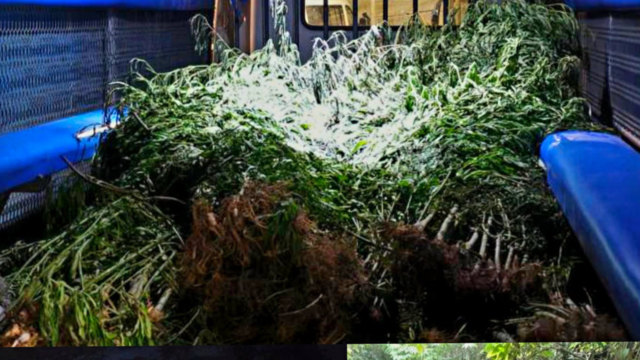
“Communities cannot take enforcement action today without proper legal backing. Even when illegal cultivation is discovered, villagers cannot simply remove crops or expel offenders without risking violation of constitutional rights. Properly enacted village by-laws would provide the lawful mechanism to act.”
He noted that international instruments, such as the UN Declaration on the Rights of Indigenous Peoples, support the recognition of Indigenous governance.
His proposal urges the Government to accelerate the rollout of formal by-laws through the iTaukei Affairs framework to complement existing narcotics laws.
Nawaikula also recommended designating villages and schools as protected zones.
He proposed creating Village Narcotics Protection Committees with statutory roles in community monitoring, intelligence gathering, and rehabilitation referrals.
This would help authorities identify trafficking routes and risks in rural areas.He emphasized that enforcement alone is insufficient.
Strengthening village by-laws would reinforce cultural governance and social accountability, which are essential to protecting Fiji’s communities from illicit drugs.