 Litia Cava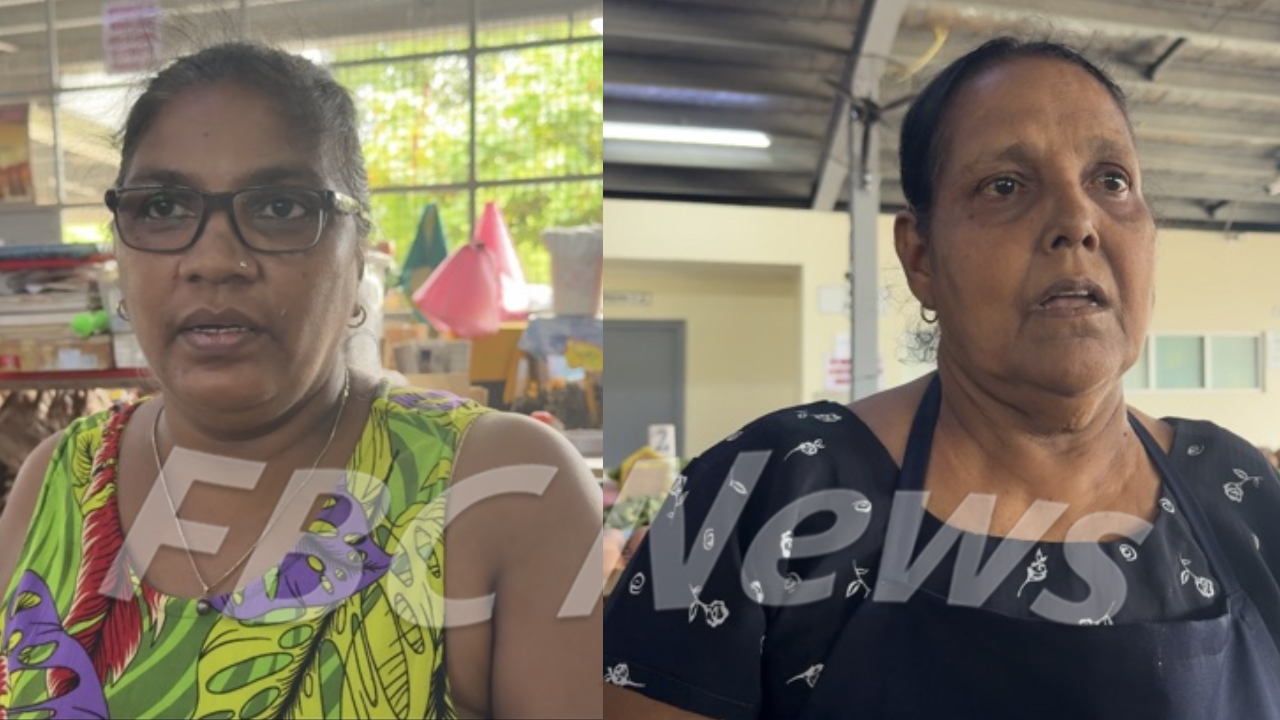
[Photo: FILE]
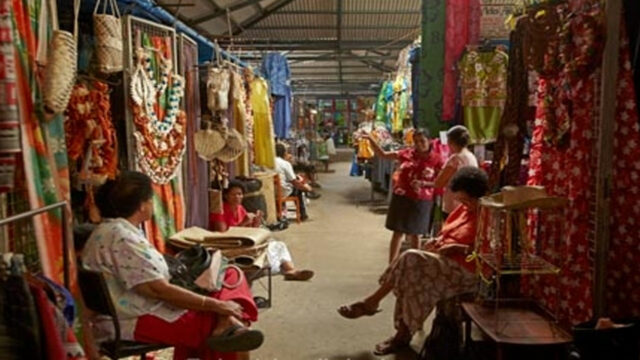
Women market vendors are preparing for possible price increases as higher fuel costs begin to affect supply.
At Laqere Market in Nasinu, Yaqona seller Sangeeta Devi states she has already been warned. Her stock comes from Kadavu, Savusavu and Taveuni. These areas depend on long transport routes.
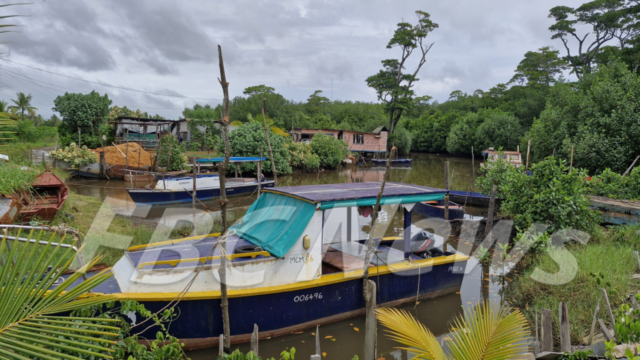
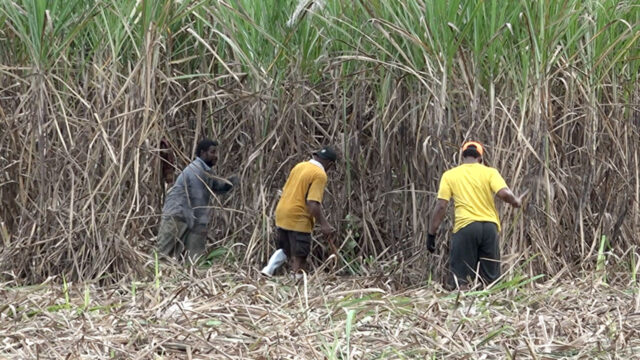
Devi says her suppliers gave her notice last week that prices may rise soon. She explains that many farms are located far inland. Farmers rely on trucks to move Yaqona to collection points, then on boats or carriers to reach markets.
She adds that transport costs have increased, and this will likely push Yaqona prices up. The current rate of $150 per kilogram may not hold.
“Setting up and doing business now in Fiji is very expensive and this is something that needs to be addressed because if not, small business owners will start closing up their business.”
Devi has been selling at the market for four years. She says rising costs are part of business but the increases are becoming harder to absorb. The cost of doing business keeps going up and small vendors and families are feeling the strain.
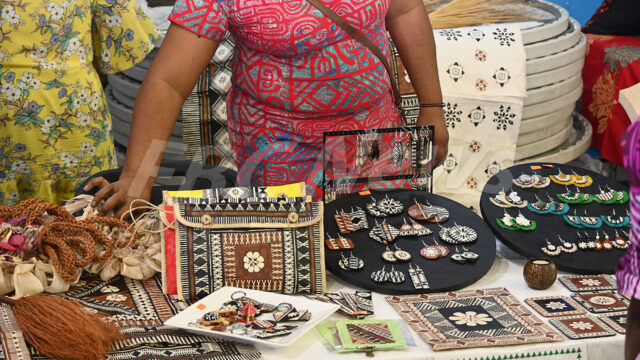
To cope, she has expanded her products. She now sells yaqona bowls, mixing cloths and other related items. This helps her earn extra income. Her stall, Noka Premium Kava, sits at the corner of the market.
Despite support from family, including relatives overseas, she says the pressure remains.
Nearby, 74-year-old vendor Pushpa Kumar is also concerned.
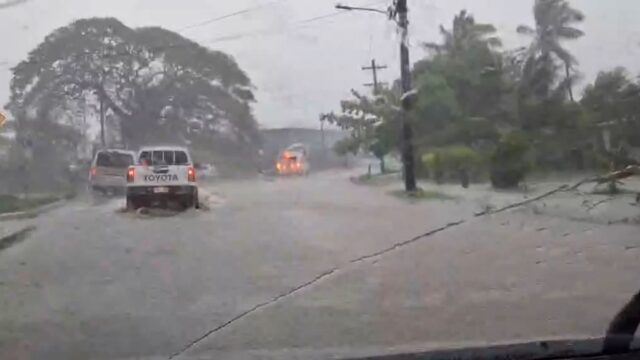
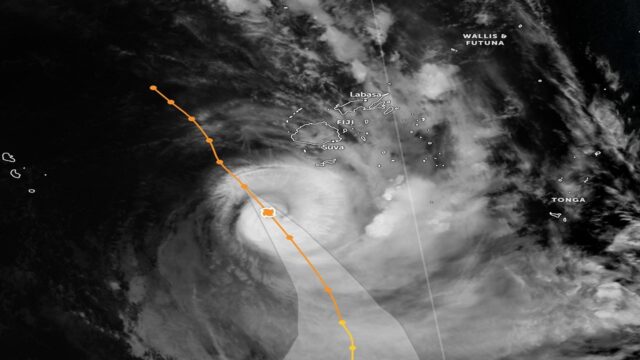
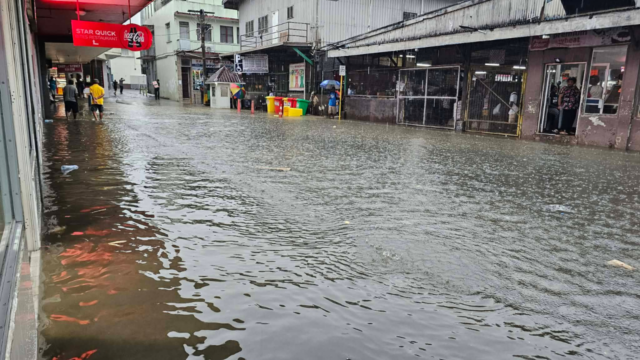
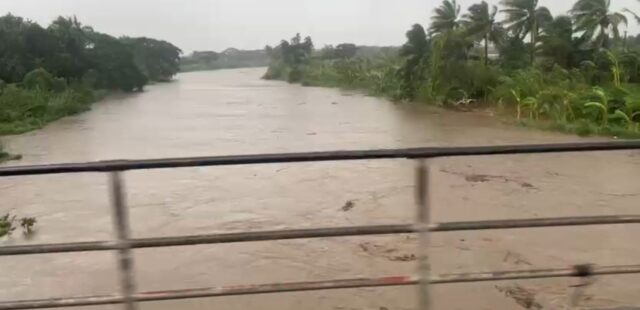
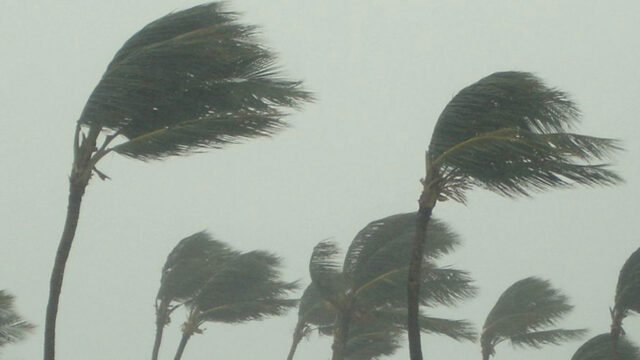
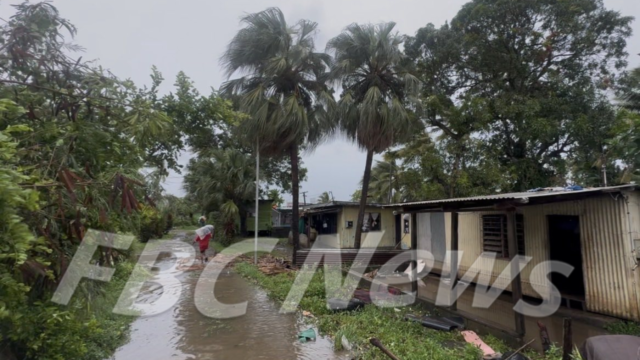
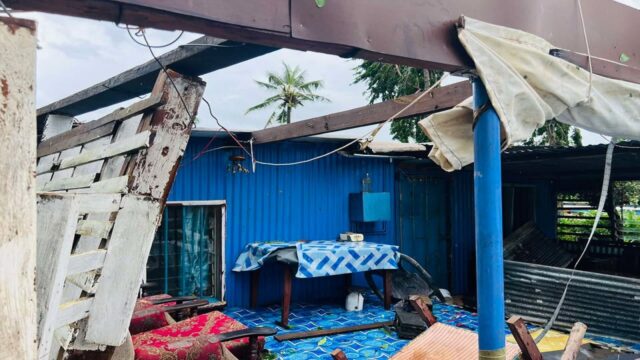
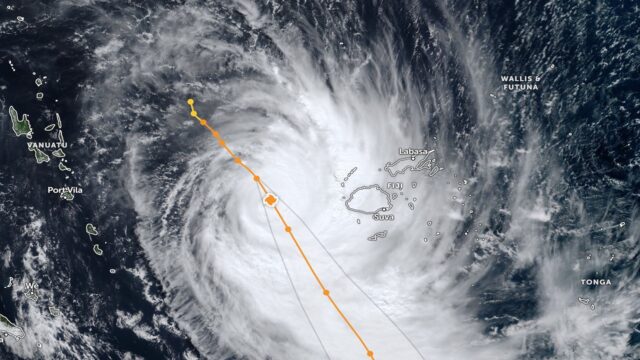
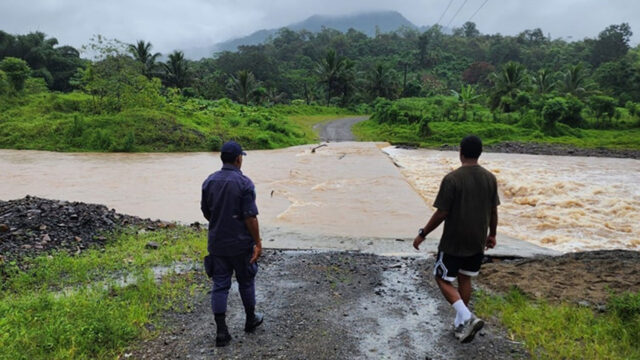
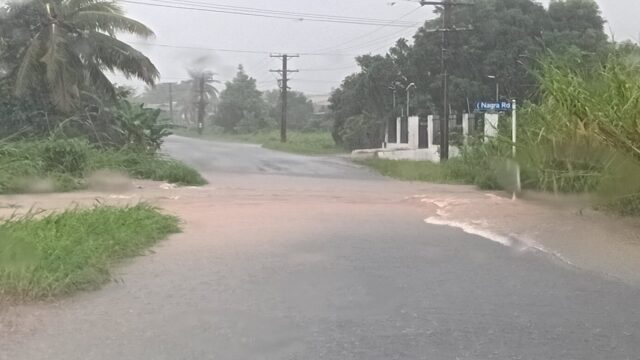
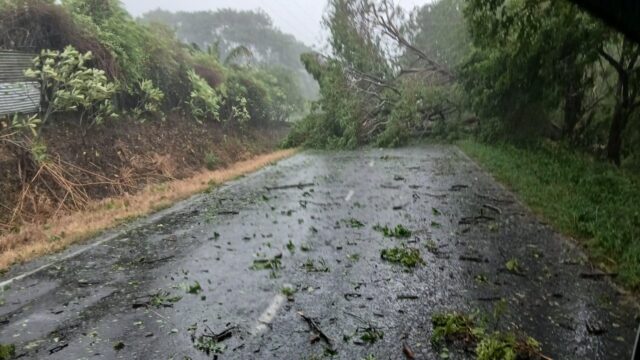
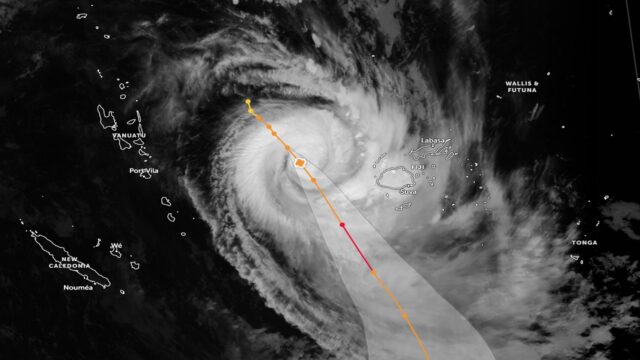
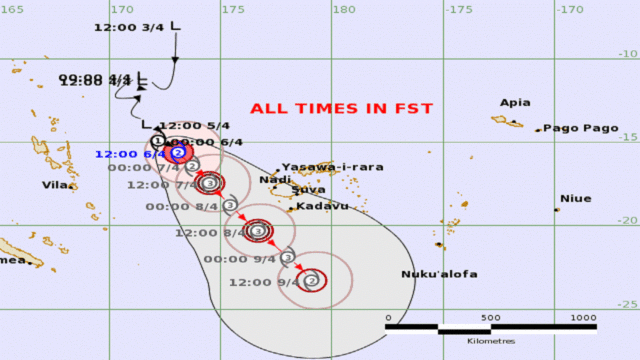
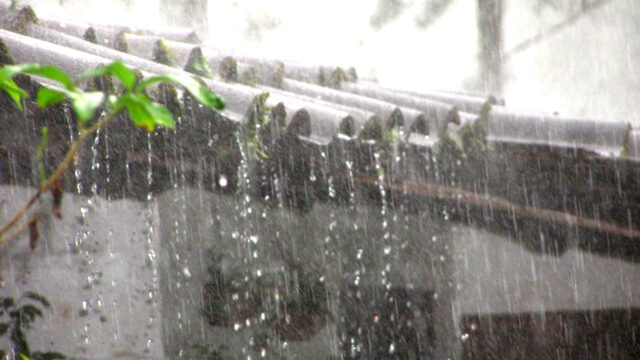
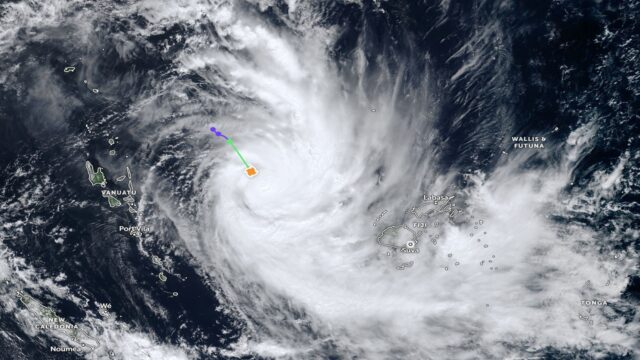
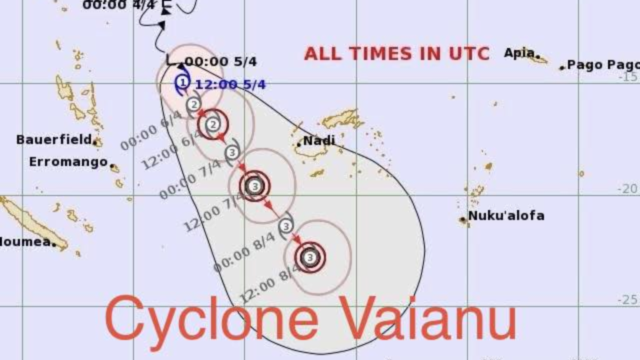
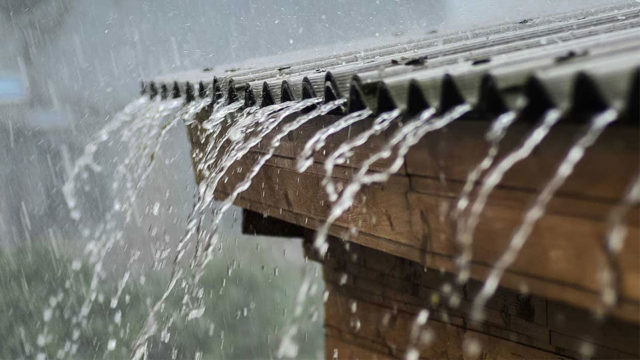
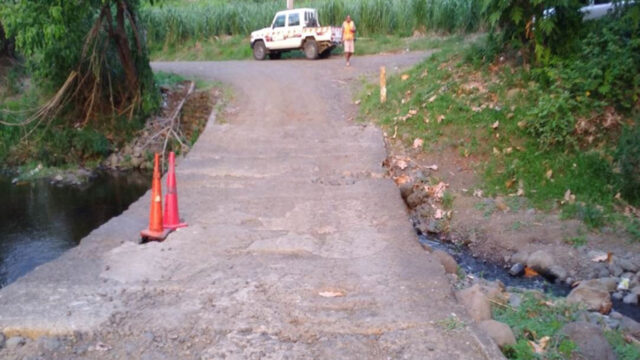
She says recent heavy rain and cyclone impacts in the Western Division may affect vegetable supply.
She also points out that if supply drops, prices will rise. This will add to the burden already faced by vendors and customers.
“I love what I do here but it is expensive.”
Kumar says costs will continue to increase, and vendors have little choice but to adjust. She adds that many are simply trying to manage day by day as conditions become more difficult.
Both vendors say more support is needed to ease the pressure on small businesses and households.