 Litia Cava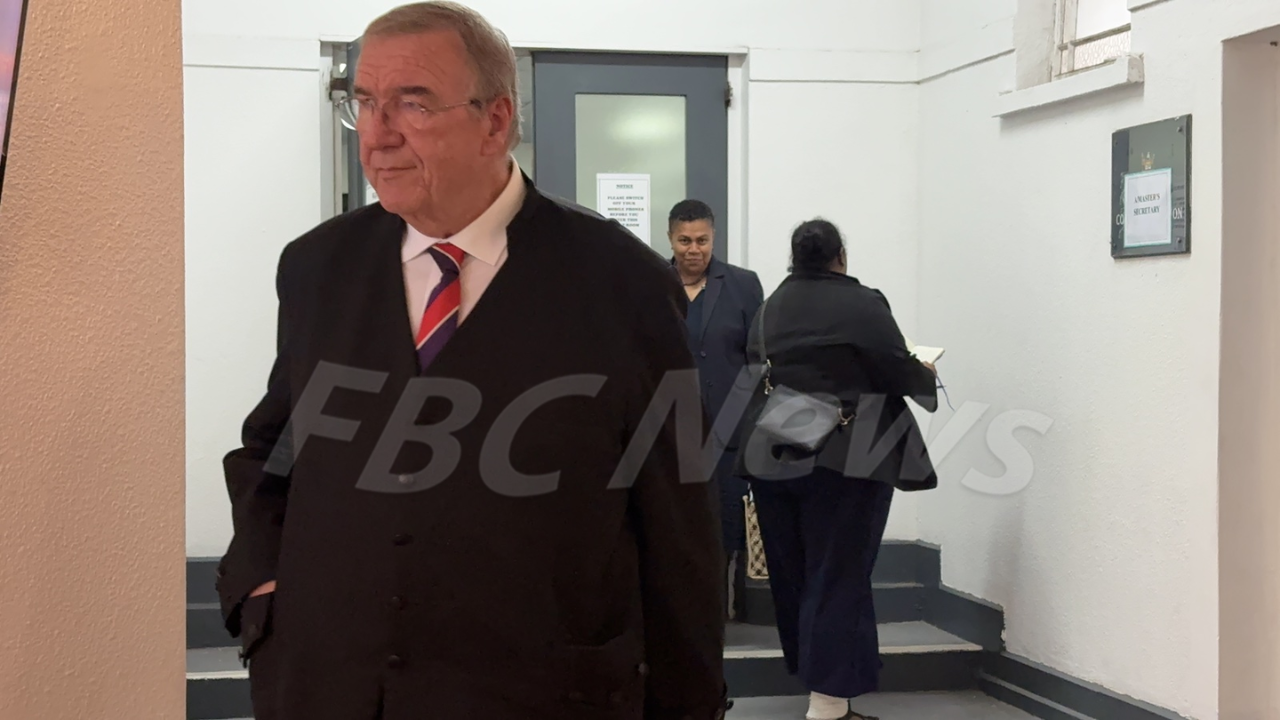
The High Court has heard that key witnesses were recalled twice during a Commission of Inquiry. The Chief Justice and the Chief Registrar were both recalled. Two Fijian lawyers were not.
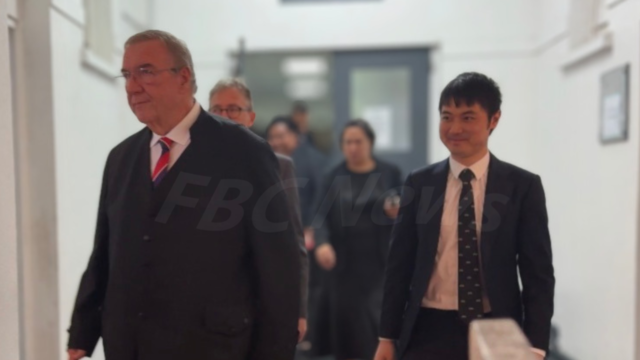
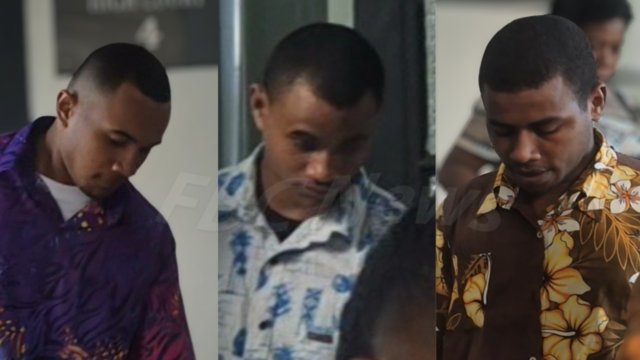
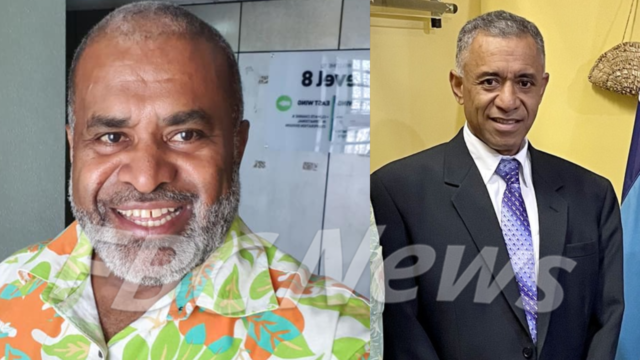
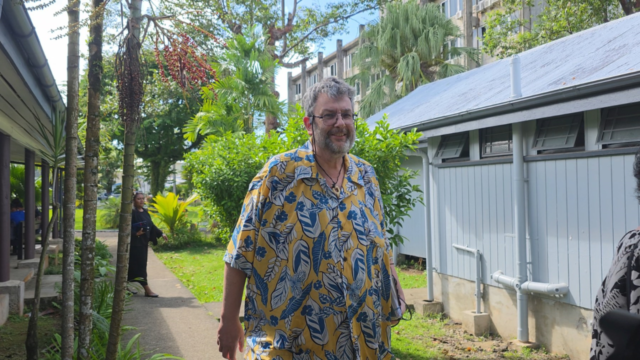
King’s Counsel Martin Daubney said that contrast goes to the heart of the case. He represents Wylie Clarke and Laurel Vaurasi.
They are seeking judicial review of the inquiry report. They want the findings and recommendations set aside. They also claim reputational harm and financial loss.
Daubney said the inquiry was set up under the Commissions of Inquiry Act 1946. He said it had a defined and limited purpose.
That purpose, he said, was the appointment process of a public official.
He argued the report went beyond that scope. It made findings about Clarke and Vaurasi after the appointment was complete.
He said that was a jurisdictional breach.
Daubney then turned to fairness. He said the applicants faced serious findings without notice.
He pointed to strong language in the report. It referred to intimidation, obstruction and conspiracy.
He said those findings were never put to the applicants.
Earlier material, he said, included only a statement of issues and affidavits. It did not foreshadow the final conclusions.
He also addressed how evidence was handled. Witnesses were questioned about events at FICAC.
But the key allegations were not put directly to Clarke or Vaurasi.
In Clarke’s case, there was no suggestion of wrongdoing. In Vaurasi’s case, no adverse claim was put at all.
Daubney said the recall of other witnesses made the difference clearer. The Chief Justice and Chief Registrar were recalled twice. The applicants were not.
He said fairness required equal treatment. If adverse findings were being considered, the applicants should have been recalled.
The court also said parts of the report lacked a clear link to evidence. Some findings were stated firmly but without clear support.
During the hearing, the judge asked where the evidence for those findings could be found in the report.
Daubney said the gaps went to the fairness of the process.
The hearing continues in the Suva High Court.