 Praneeta Prakash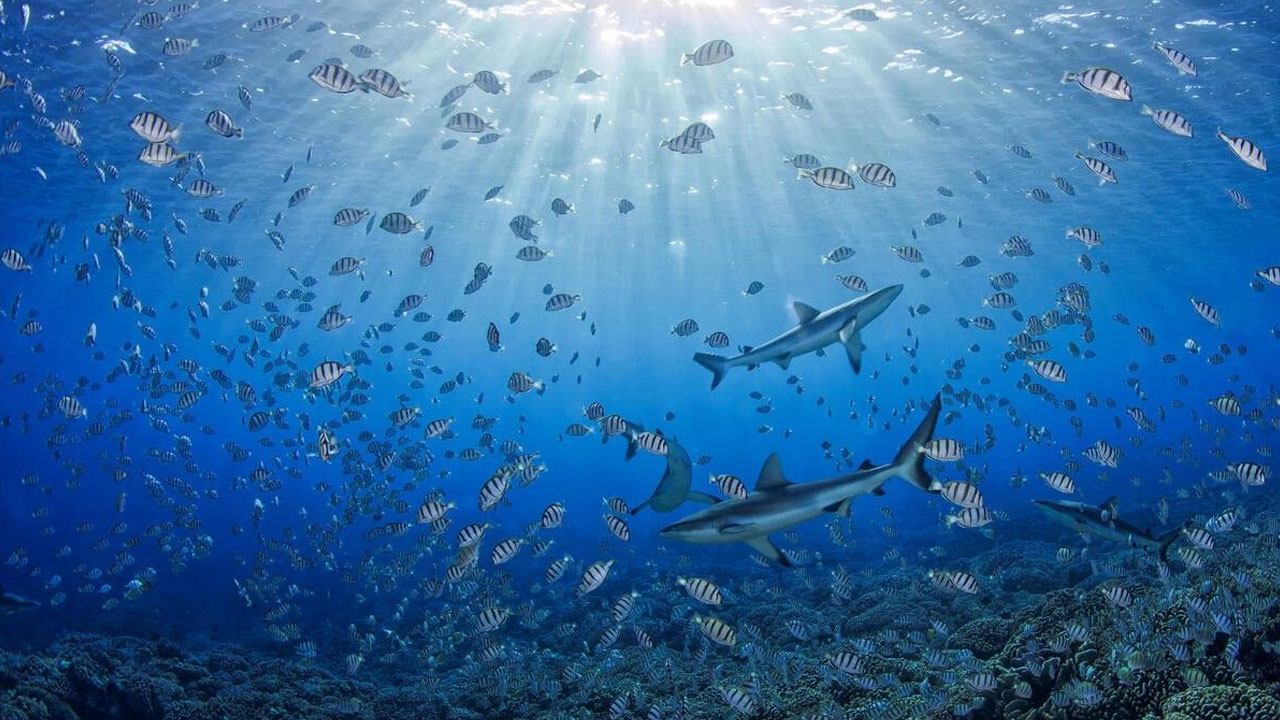
[Photo: FILE]
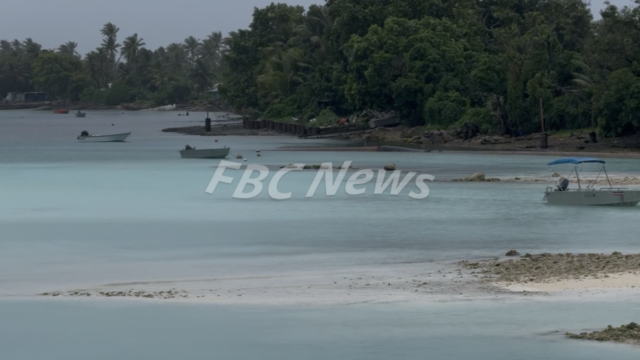
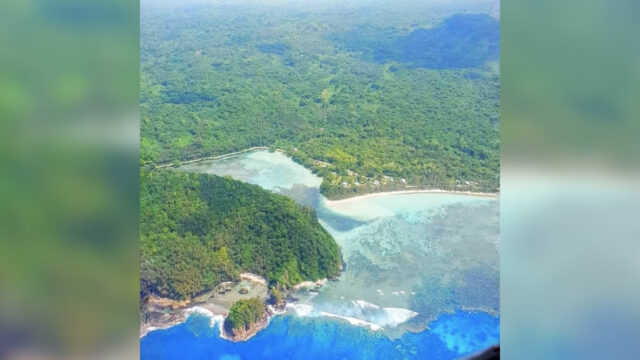
Experts are warning that Fiji’s fisheries, tourism, and reef-based livelihoods face serious impacts as unusually Warm Ocean conditions coincide with an active cyclone season.
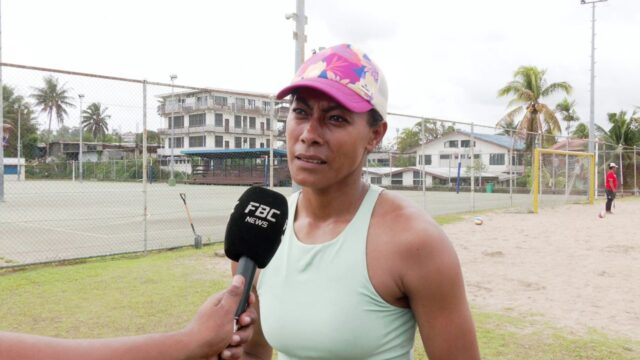
Ocean Science Officer at the Pacific Community, Dr Moleni Tu’uholoaki, says that while higher sea temperatures do not automatically create more tropical cyclones, they allow storms to intensify much faster.
He adds that marine heatwaves provide extra heat and moisture to the atmosphere, causing cyclones to strengthen rapidly – sometimes jumping from a lower category to a major storm within a single day.
“The marine heatwave provides surplus heat and moisture to the atmosphere, which will result in an intensifying tropical cyclone very quickly. We started to see this type of tropical cyclone. “
Oceanographer Dr Grant Smith of the Australian Bureau of Meteorology warns that marine heatwaves hit reefs hardest in February and March.
Current marine heat wave outlooks for coral bleaching show that there is a risk and likelihood of the alert level increasing to alert level two over the next four to eight weeks. And what this means is that this is the level where coral mortality or death can start to be observed in the ocean.
He also highlighted the risk of fish kills.
“There is indeed a risk of fish kills for Fiji. So some might remember a similar event back in 2016, in February 2016, when fish kills were observed along the Fiji coastlines. And that was also from an intense marine heat wave event. So this is caused by the very warm waters holding less oxygen. And this is the oxygen that the fish require to breathe.”
Experts are urging stronger early warning systems, increased public awareness, and preparedness planning to help communities, fisheries, and tourism operators cope with the combined threats of extreme weather and marine heat impacts.