 Nikhil Aiyush Kumar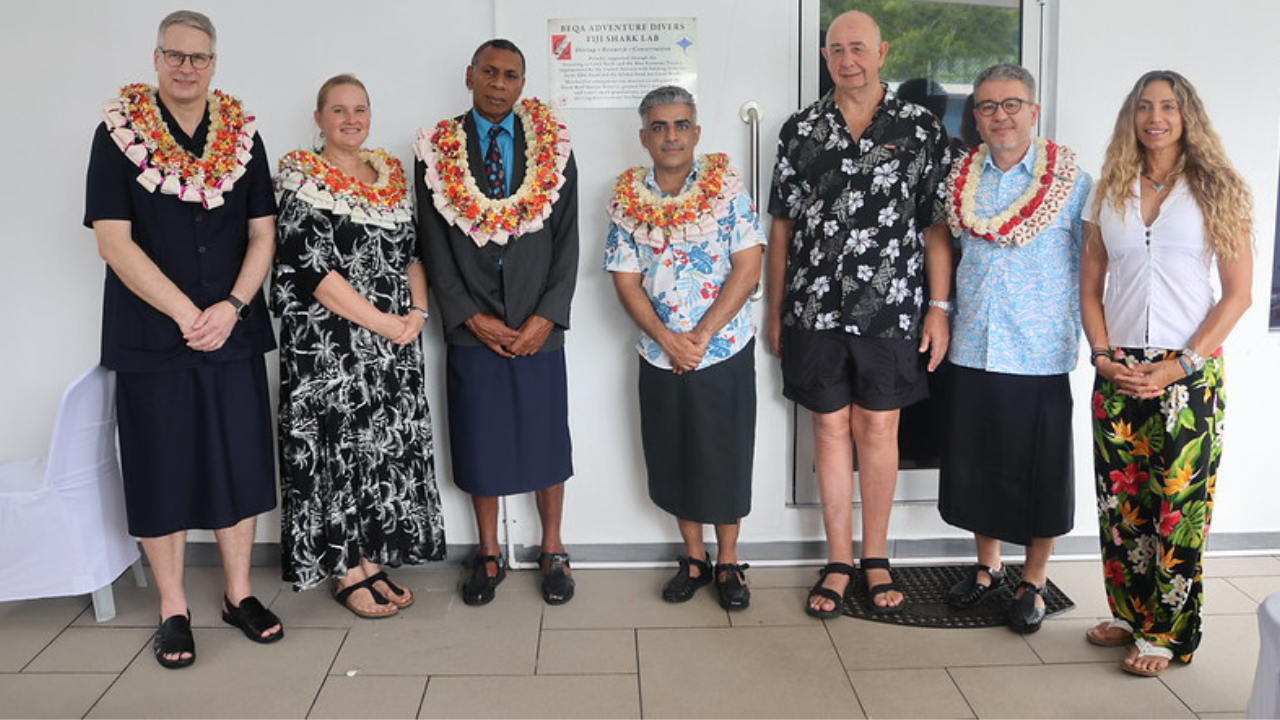
[Photo: UNDP]
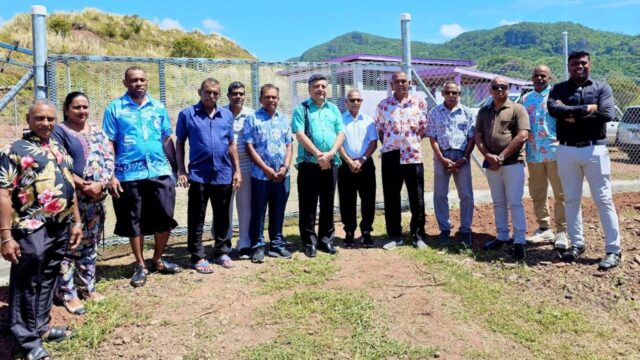
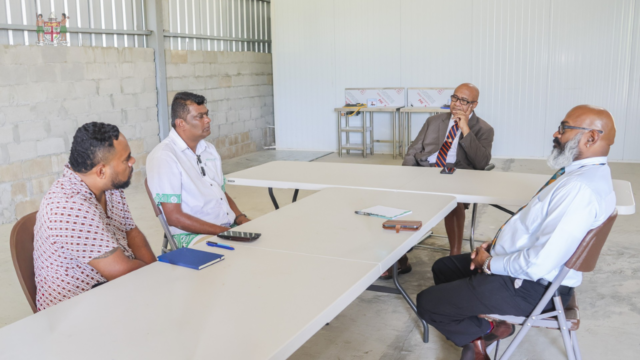
Fiji has marked a milestone in marine conservation and sustainable ocean-based development with the opening of the Beqa Adventure Divers, Research and Conservation Compound in Pacific Harbour.
The new facility integrates sustainable tourism, scientific research, and conservation in a single location, strengthening Fiji’s ability to protect marine ecosystems while supporting coastal livelihoods that depend on healthy oceans.
The compound was established with support from the Investing in Coral Reefs and the Blue Economy Project, implemented by the United Nations Development Programme in collaboration with the United Nations Capital Development Fund and the United Nations Environment Programme (UNEP).
Financing was provided through the Global Fund for Coral Reefs and the Joint SDG Fund, with UNCDF deploying concessional loans totaling $720,000 as part of its blended-finance approach to encourage sustainable and inclusive investment.
Opening the facility, Acting Permanent Secretary for the Ministry of Fisheries and Forestry, Saimoni Tauvoli, says the compound represents a long-term commitment to marine protection and responsible fisheries management.
“This is more than an infrastructure milestone; it is a commitment to the long-term protection of one of Fiji’s most important marine ecosystems, the Shark Reef Marine Reserve”
He says that protecting Fiji’s oceans requires collaboration among government agencies, local communities, businesses, scientists, and international partners to ensure reef health, sustainable fisheries, and secure coastal livelihoods.
Tauvoli also acknowledges Beqa Adventure Divers’ long-standing partnership with the Ministry of Fisheries, including its role in the establishment of Fiji’s first legislated marine park dedicated to shark protection.
United Nations Resident Coordinator Dirk Wagener described the new compound as an example of Fiji’s growing leadership in the blue economy with relevance beyond the Pacific.
Beqa Adventure Divers Principal Director Mike Neumann reflected on the increased pressure on marine ecosystems during the COVID-19 pandemic, when the collapse of tourism led many communities to rely more heavily on fishing.
The compound also houses the Fiji Shark Lab, the country’s first biological field station dedicated to shark and ray research, conservation, and education.
By combining tourism operations with scientific research and community engagement, the facility enhances Fiji’s capacity for marine monitoring, biodiversity assessment, and evidence-based management of critical habitats.
Beyond this, the Project is supporting a broader portfolio of blue economy initiatives across Fiji.
These include the establishment of the country’s first dedicated blue lending facility with the Fiji Development Bank and efforts to reduce land-based marine pollution by transforming dumpsites in Fiji’s western division into sustainable waste collection centres.