 Riya Bhagwan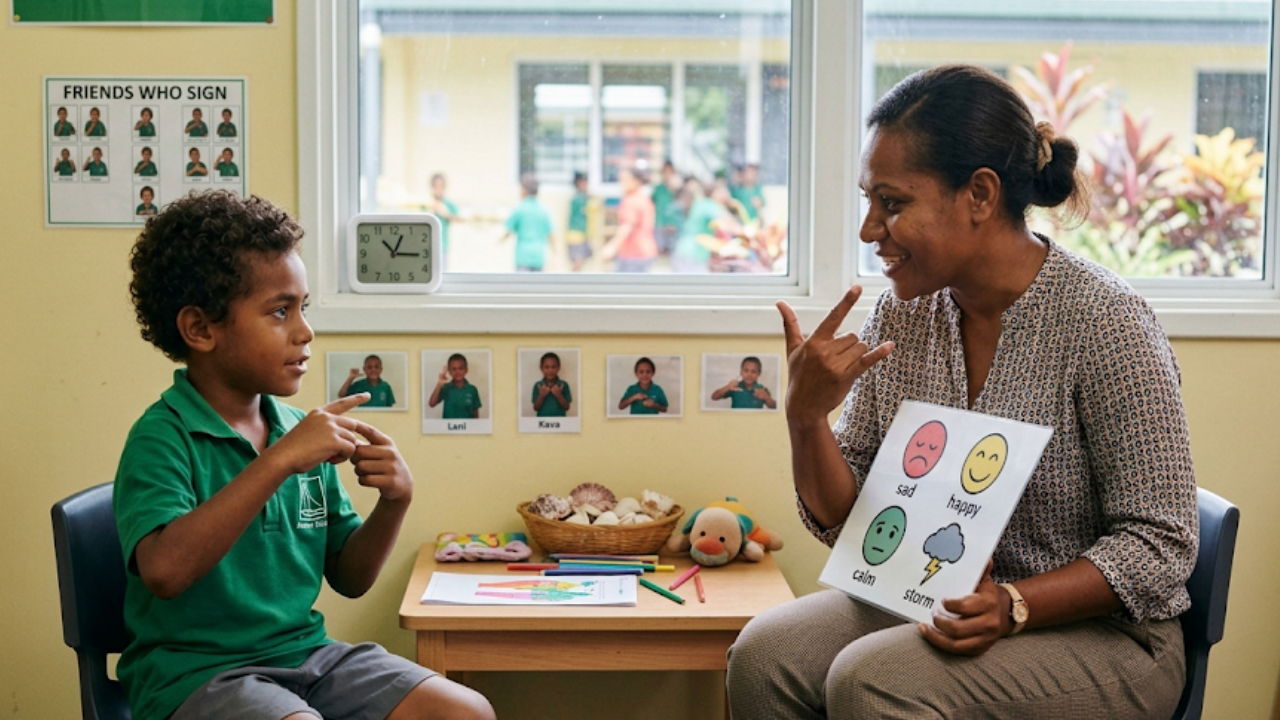
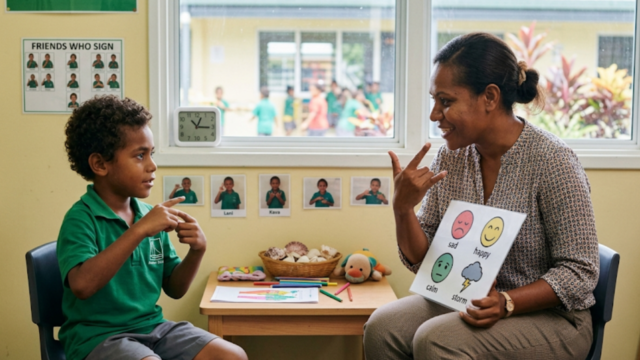
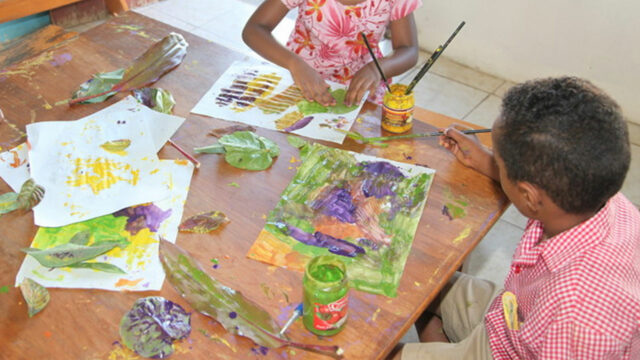
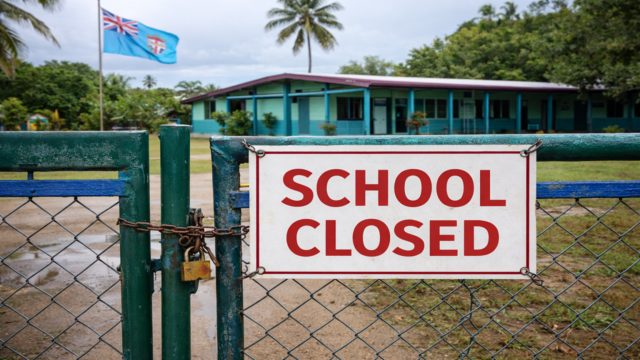
A shortage of trained sign language interpreters in counselling services has been identified as a major concern, limiting access to adequate emotional and mental support for students in special schools.
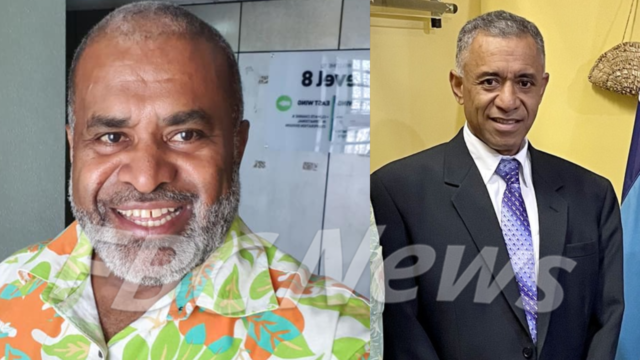
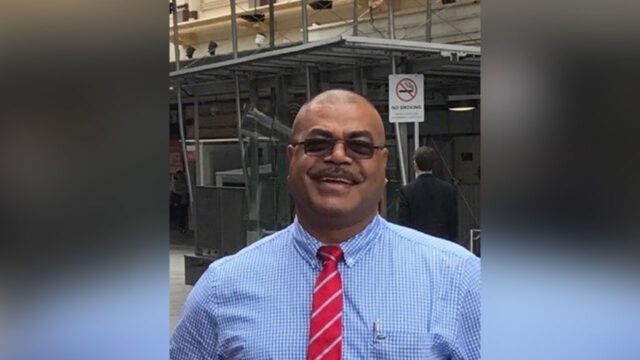
Lautoka Special School Head Teacher Kailash Pillay highlights that, on multiple occasions, he has observed children struggling to express themselves due to language barriers.
This, he says, prevents them from receiving the appropriate support for their emotional and mental needs.
Pillay highlighted that understanding the trauma and emotional challenges these children face is critical, and without adequately trained counsellors, this support remains largely inaccessible.
He added that counselling services are not adequately available in either the police or hospital systems, and that children in these circumstances are often neglected despite the push for an inclusive society.
“We talk about an inclusive society, but many times we have discovered these are the children who are neglected.”
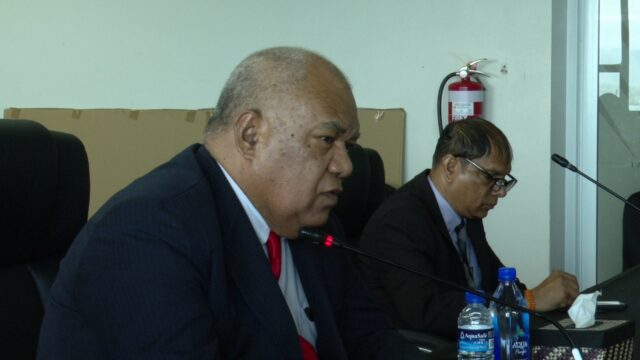
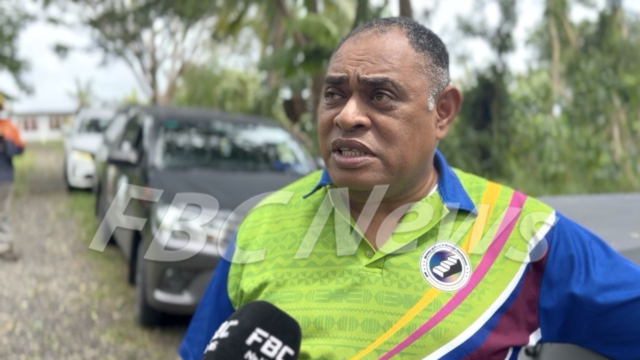
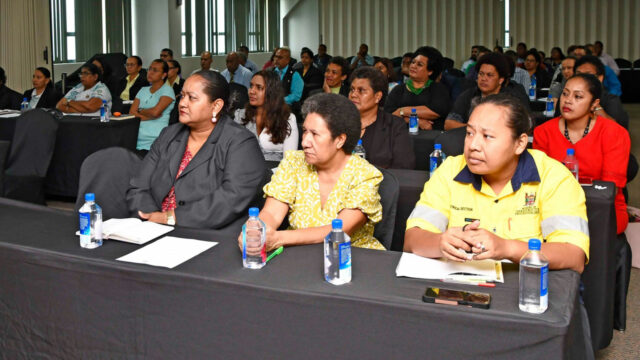
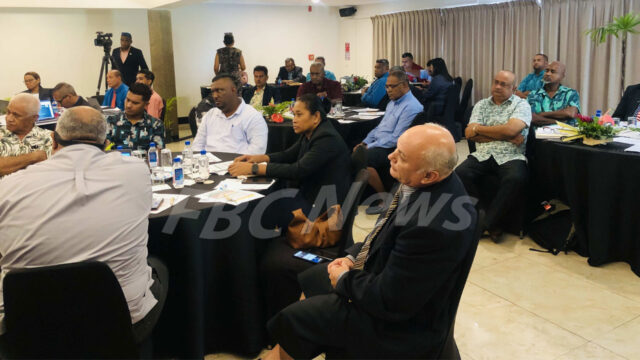
Responding to the issue, Medical Services Pacific Team Leader West Uliano Kataiwai stated that a few trained professionals are already in place, and efforts are ongoing to expand the availability of these services.
“It’s a very challenging task, but it has to be done, and for us in the Western Division, I think the disability officer in the department of social welfare has arranged for some of the inter-agency members if they are interested in doing sign language training.”
Kataiwai acknowledged the need to place greater emphasis on specialized sign language interpretation training in counselling services to ensure children with hearing impairments can access proper support.