 Mollyn Nakabea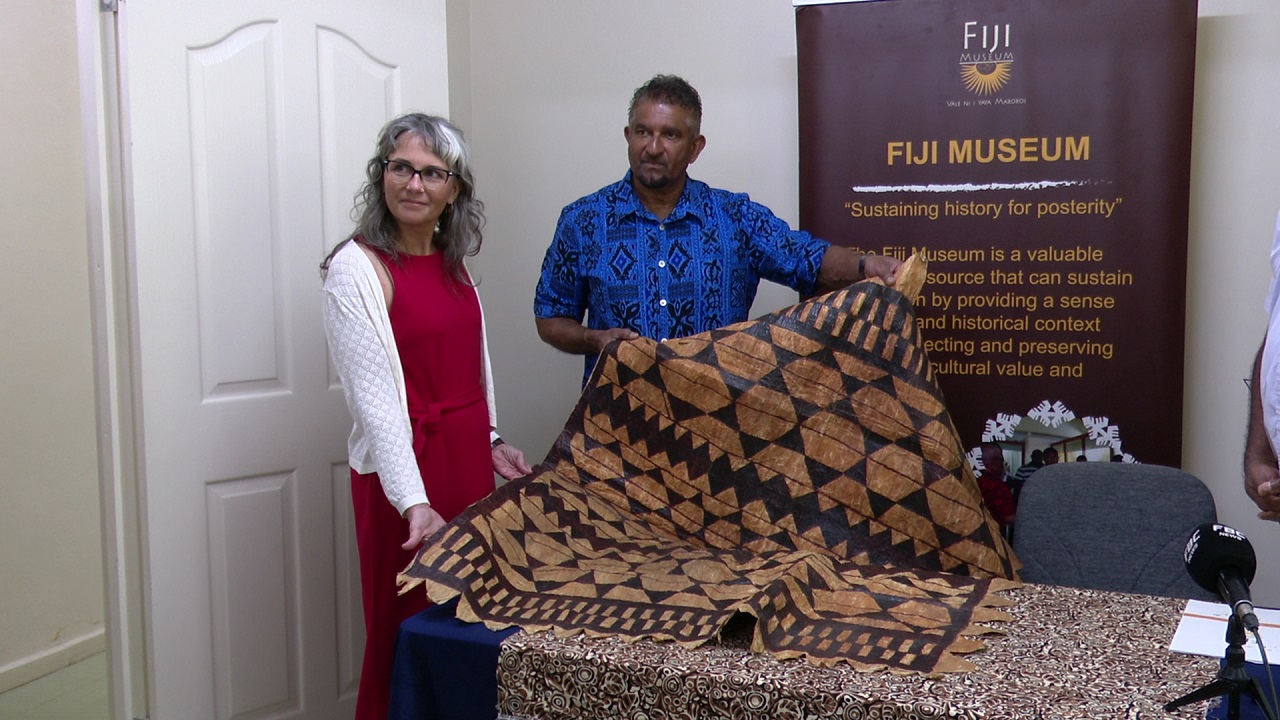
A priceless piece of Fiji’s cultural heritage has finally come home, more than a century after it was taken overseas.
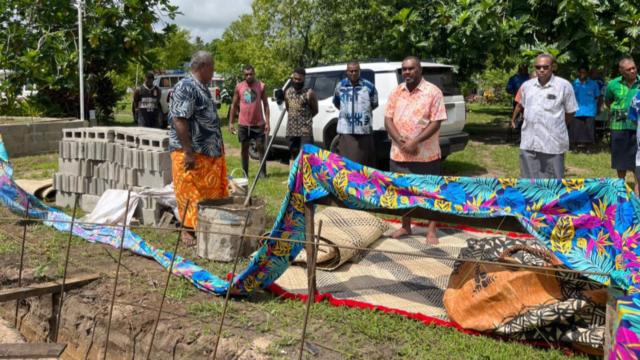
The Fiji Museum has welcomed back a historic masi that had been held in Canada for over 80 years, marking a major milestone in ongoing efforts to repatriate Fijian artefacts from abroad.
Museum records show the masi was taken to Canada in 1903 by Edmund Tomkins and later became part of the Chatham-Kent Museum collection in Ontario, where it remained from 1946 until its recent return.
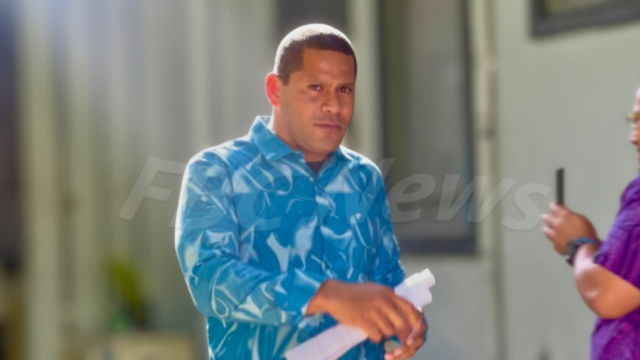
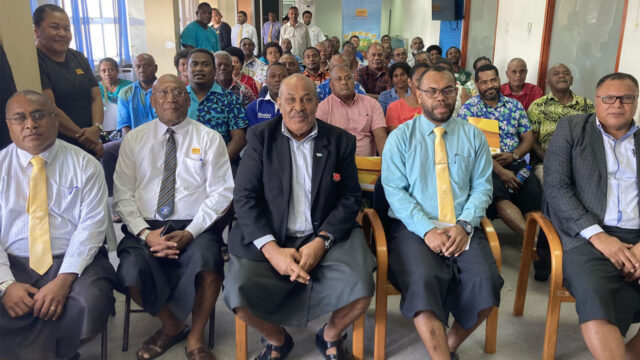
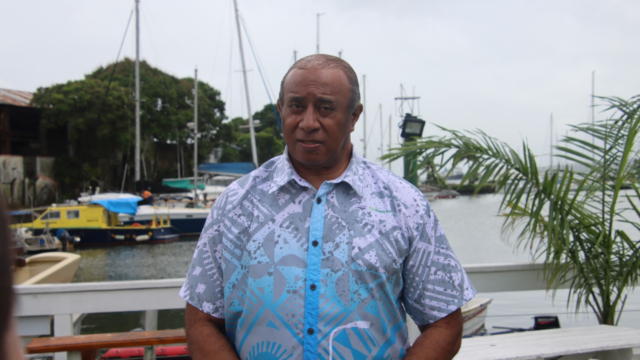
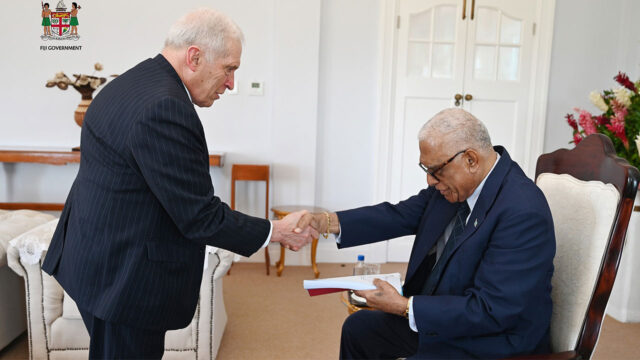
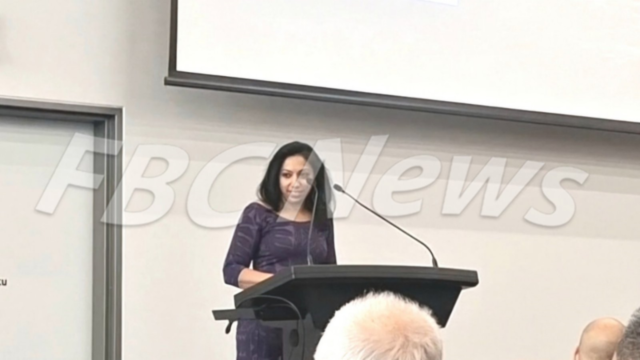
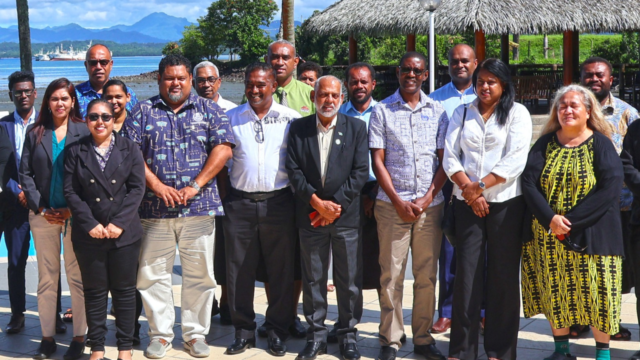
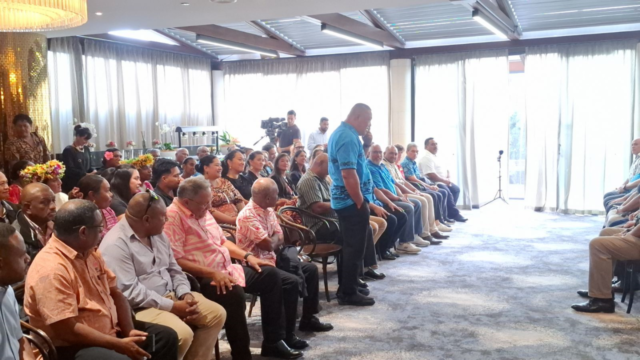
The artefact was formally presented to the Fiji Museum by Fiji’s Honorary Consul to Canada, Bobby Naicker, who described the masi as carrying deep cultural meaning not just for Fiji, but for the wider Pacific.
Naicker said the repatriation process was far from simple, involving complex customs and border requirements, but stressed that the effort was worthwhile given the artefact’s immense cultural value.
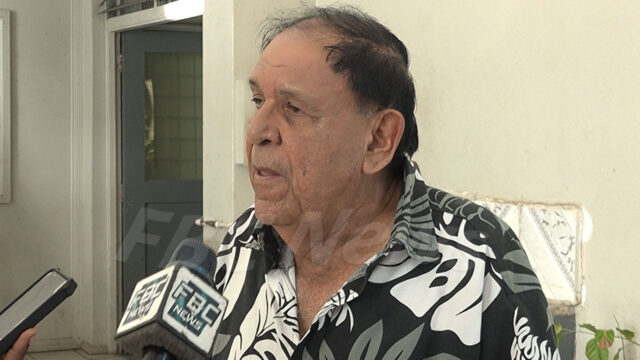
Fiji Museum spokesman Ratu Jone Balenaivalu said the return followed years of careful record-keeping and coordination between museums, which ultimately made the repatriation possible.
He added that the Fiji Museum has been working with several North American institutions through a deaccessioning process—where museums review their collections and return items identified as originating from Fiji.
The masi, catalogued in 1903, had been preserved in the Chatham-Kent Museum for decades before being cleared for return.
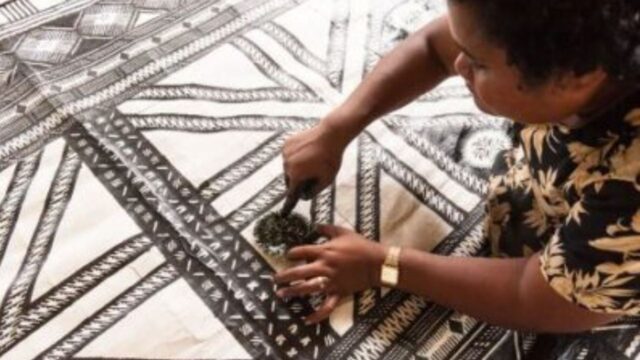
Preliminary research into the patterns on the masi suggests possible links to Samoa, with further studies planned to confirm its exact origins and historical background.
Stream the best of Fiji on VITI+. Anytime. Anywhere.