 Riya Mala
[Photo: FILE]
Concerns are mounting over how effectively government ministries are using taxpayer funds, as millions remain unspent despite ongoing infrastructure and service delivery challenges.
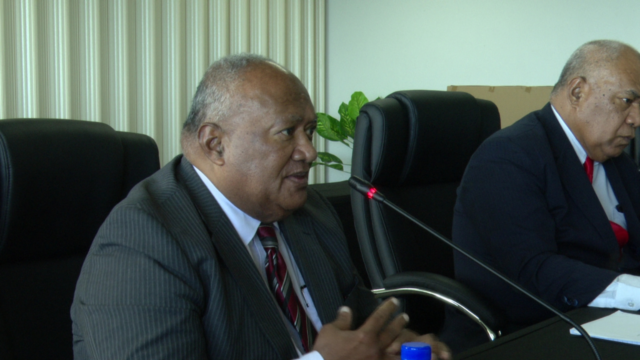
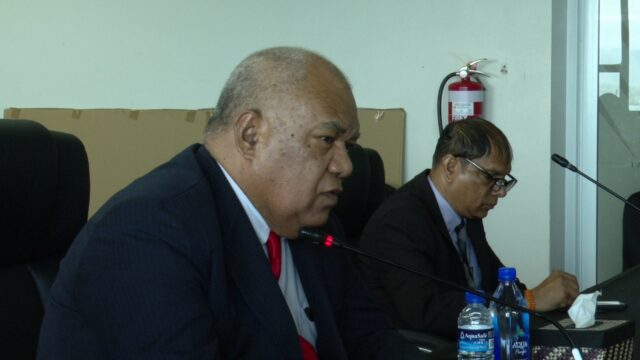
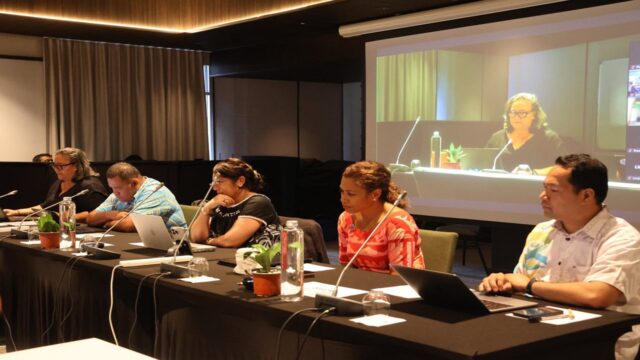
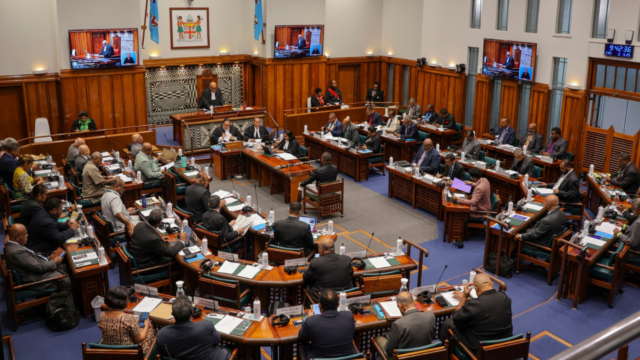
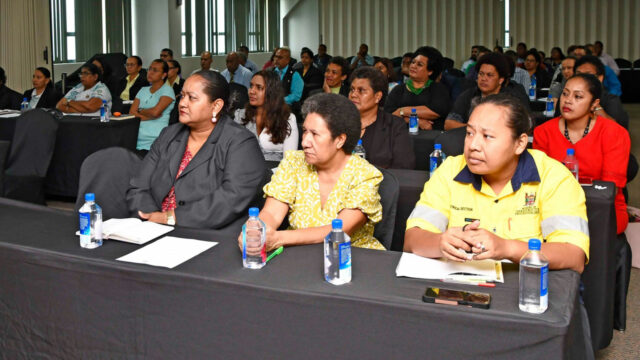
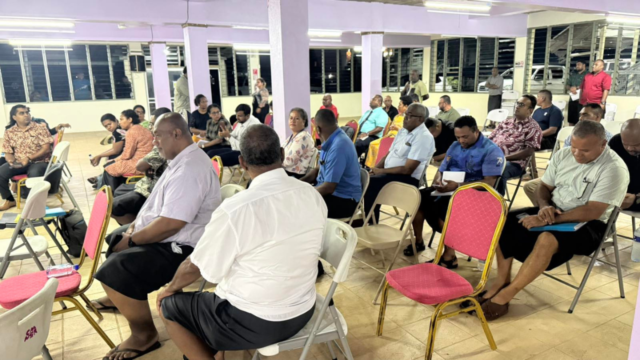
During the 2026–27 budget consultations, the Ministry of Finance faced tough questions over why allocated funds are not being fully utilised.
People are now questioning not only how budgets are set, but also whether ministries are truly accountable, asking what systems are in place to ensure public funds are delivering real results.
There are also growing concerns about weak performance monitoring, with calls for stronger oversight, clearer targets, and consequences for underperformance similar to accountability standards applied to NGOs.
“So with the Auditor General’s Report, I was reading the 2023 unmodified opinion from the Office of the Auditor General. One of the things that stood out was the number of ministries that have underutilised their allocated budgets. The Water Authority, for instance, in 2023 had 11.4 billion underutilized. The Fiji Roads Authority had 24.7 billion underutilised.”
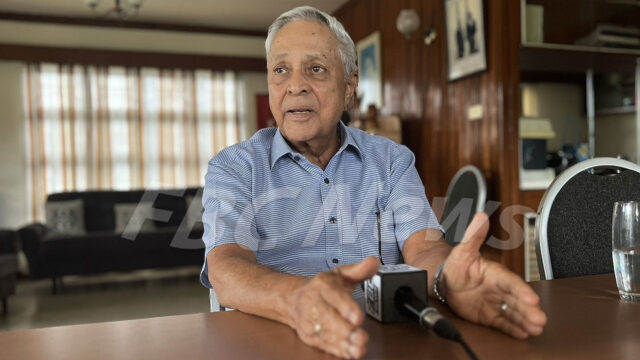
In response, Minister for Finance Esrom Immanuel says the government, upon taking office, spent the initial months reviewing existing systems and addressing capacity challenges.
He says this contributed to lower utilisation rates in earlier periods, but adds that improvements have been seen in 2024 and 2025, including better implementation rates and audited accounts.
Immanuel says most ministries are now up to date, with only a few areas still requiring attention.
“Our team looks after the finances of the previous government and reviews audited accounts, including implementation rates and unspent funds. We prepare regular reports and update ministers and responsible officials accordingly.”
The Finance Ministry is now expected to ensure that government funds are not only allocated, but effectively used to deliver real services to the public.