 Riya Mala
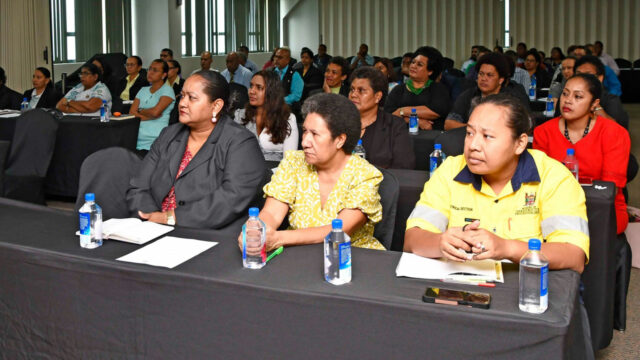
Only 40 percent of Fijian mothers currently practice exclusive breastfeeding, far below the global ideal of 80 percent, and experts say workplaces are a major roadblock.
Acting National Food and Nutrition Center Manager, Kriti Prasad, says that while Fiji aligns its standards with WHO and UNICEF, creating a truly supportive environment for mothers remains a critical challenge.
She adds that stressful workplaces and a lack of priority for maternal needs continue to hinder progress.
The Ministry’s Healthy Workplace Policy aims to address these gaps, offering mental health support alongside breastfeeding accommodations.
“So we are trying to have our workplaces address breastfeeding support, including creating crash rooms within the workplaces, which will help mother’s breastfeed their babies exclusively.”
Prasad says Fiji is aiming for 100 percent exclusive breastfeeding, while at least 80 percent is needed to meet global standards with some mothers saying they may need extra support due to biological challenges.
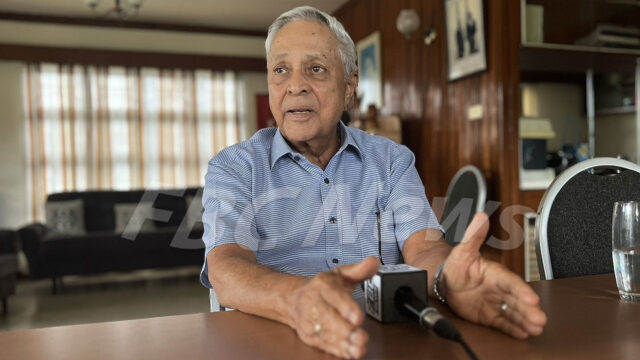
UNICEF Pacific Nutrition Manager Penjani Kamudoni says they are supporting the Health Ministry by ensuring health facilities follow key clinical practices that better support breastfeeding.
“So globally, UNICEF, many years ago, endorsed steps which show that if these practices are followed in a health facility, or if the management approach towards women who’ve just given birth includes these components, mothers are better able to breastfeed and receive the support they need to lactate.”
Kriti Prasad says boosting breastfeeding in Fiji requires workplace changes, progressive policies, and communities that support mothers.