 Kelera Ditaiki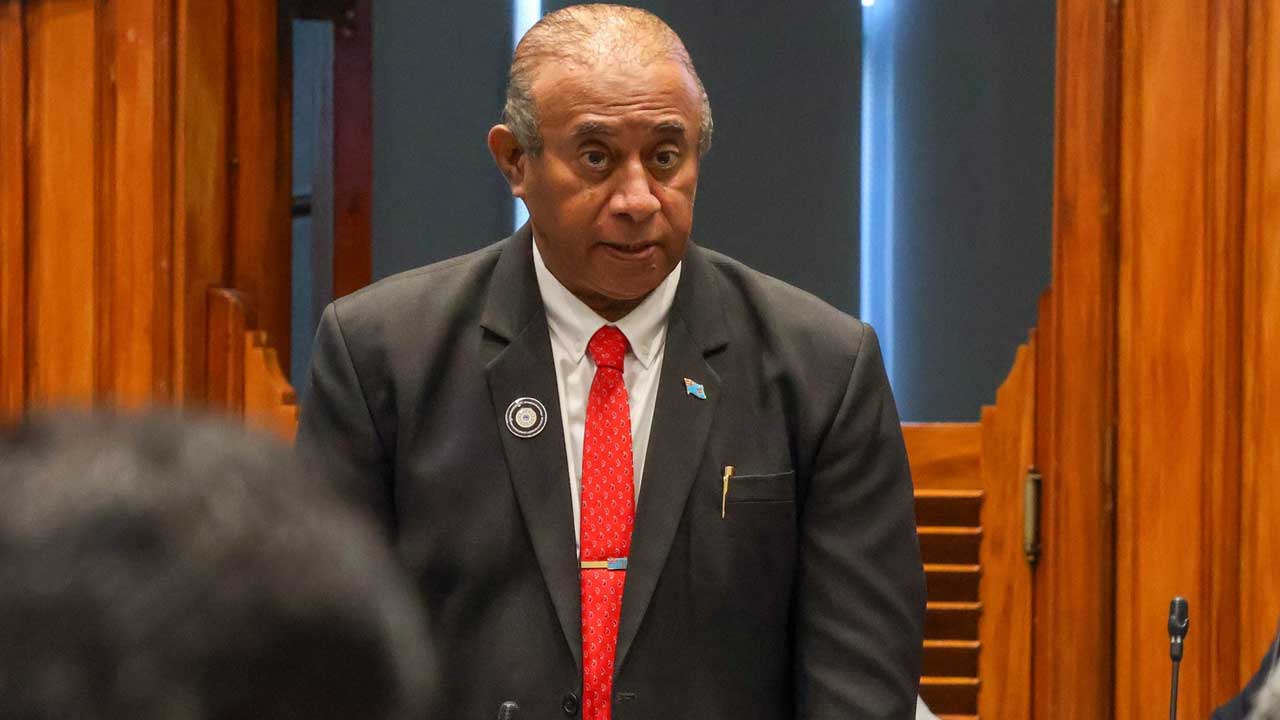
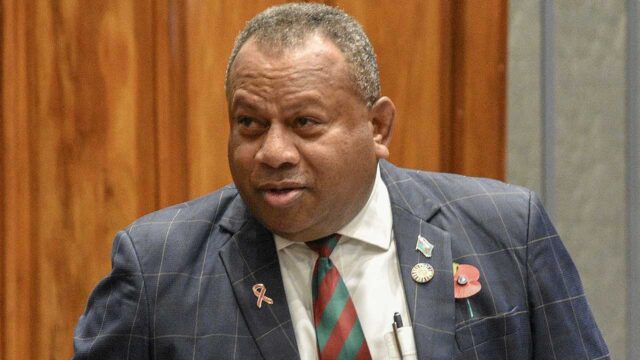
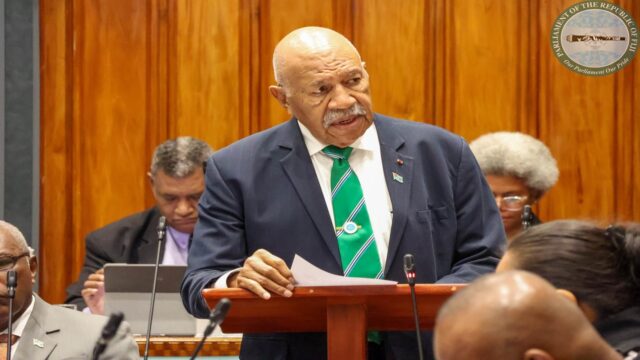
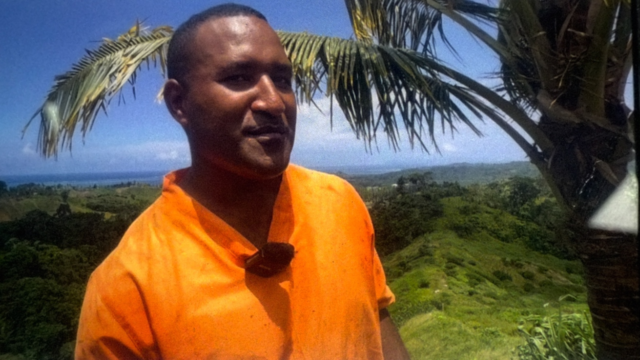
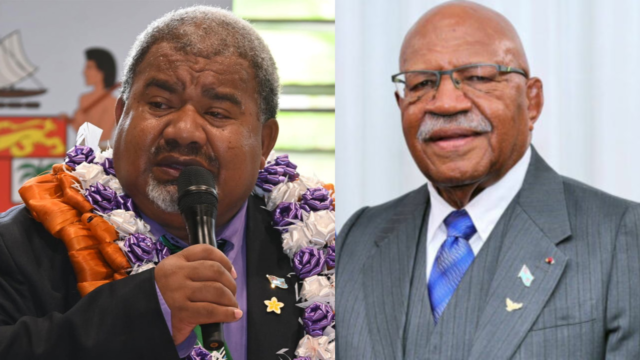
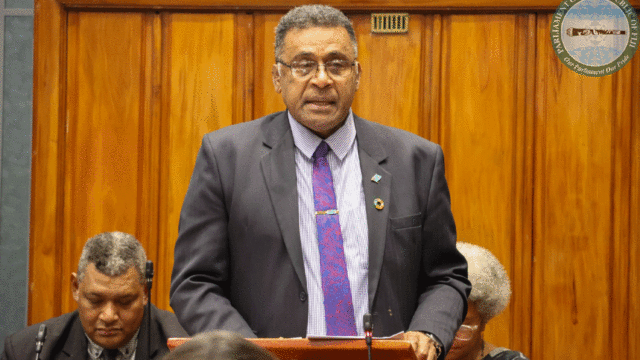
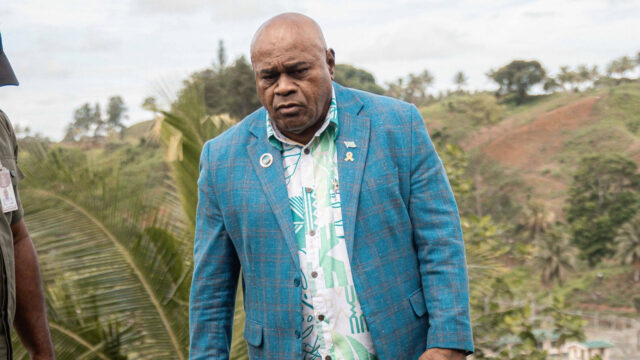
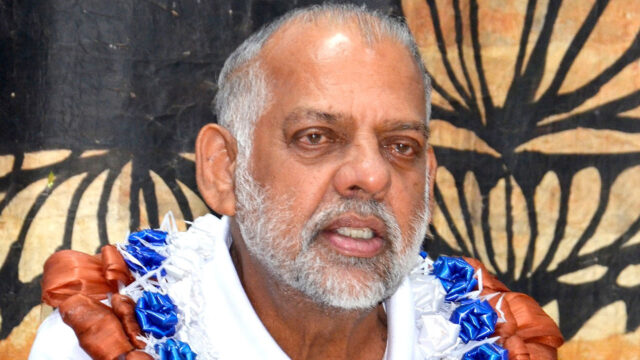
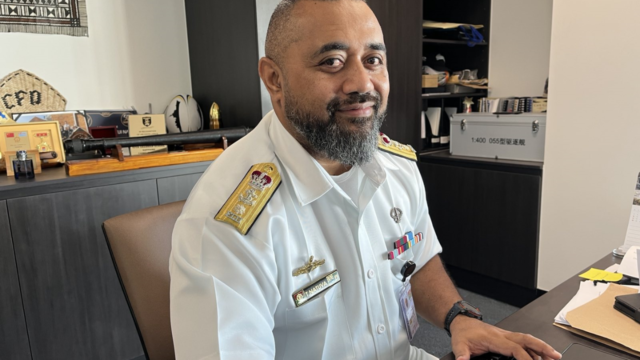
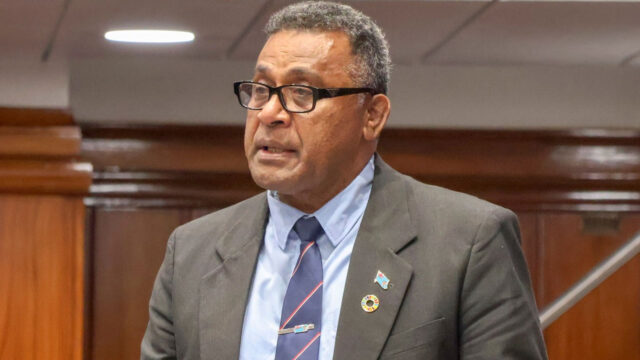
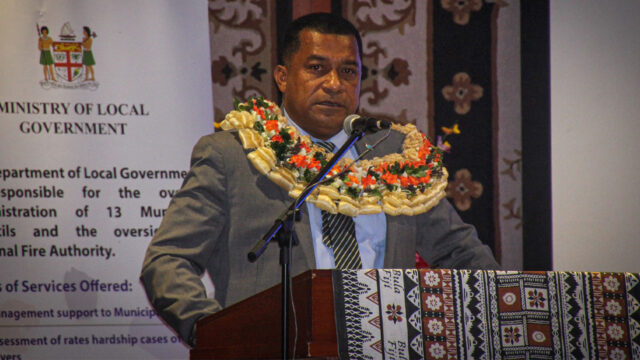
Minister for Public Works and Transport Ro Filipe Tuisawau. [Photo Credit: Parliament of Fiji]
Minister for Public Works and Transport Ro Filipe Tuisawau told Parliament that Fiji’s constitutional debates should be seen in the country’s wider history.
He says Fiji needs to move away from the strong influence of the 2013 Constitution.
He says that Fiji’s constitutional development has evolved from the 1970 independence Constitution through the 1992 and 1997 versions, the 2000 upheaval, the 2006 removal of the SDL government, and the eventual adoption of the 2013 Constitution.
He says the coalition government’s ongoing review, including the Referendum Bill, is part of its effort to rectify an imposed framework.
Tuisawau said the past government followed an idea that gave more power to the state while reducing cultural freedom, including the role of indigenous traditions and institutions.
“You can use ideology to dominate the population, to brainwash them, to tell them that this is the best way forward for the country and we have seen that in the history of nations and the end result of it is some of the ideology has resulted in conflict, wars, etcetera, whether it is communism, fascism or whatever.So what I am saying is the 2013 constitution is an imposed constitution which aligns with a specific ideology.”
Ro Filipe says, the removal of the Great Council of Chiefs as a practical example of that ideology, saying it treated cultural bodies as a threat to the state.
He says that both sides respect each other, culture is protected, and governance provides order, noting that indigenous bodies like the GCC and provincial councils have never tried to dominate the state, nor declared independence from it.
Ro Filipe had also criticised the former government’s refusal to include ethnic data in the national Household Income and Expenditure Survey, saying this undermined accurate statistical analysis.
“When ideology removes valid data, it creates a misleading picture”
He rejected claims that recognising indigenous identity or traditional decision-making processes amounts to separatism, noting that prior and informed consent already exists in land leasing and development projects.
He added that expressions of culture such as meke, bose ni vanua, bose ni tikina and bose ni yasana are longstanding parts of community life.
He responded to claims that indigenous Fijians are not at risk, by saying the real danger is to their traditional institutions.
Stream the best of Fiji on VITI+. Anytime. Anywhere.