 Ritika Pratap
[Photo: FILE]
2025 marked a clear turning point in Fiji’s inflation cycle as conditions shifted from lingering stickiness to broad disinflation and steep deflation.
In his quarterly economic update, Westpac Pacific Economist Shamal Chand says headline inflation began 2025 at 2.5 yr percent but fell below zero from February and remained negative for most of the year.
Chand says inflation hit its lowest between August and October, at around -3.5% to -3.4% yr, before returning to zero by December.
The annual average inflation rate for 2025 was 1.4%.
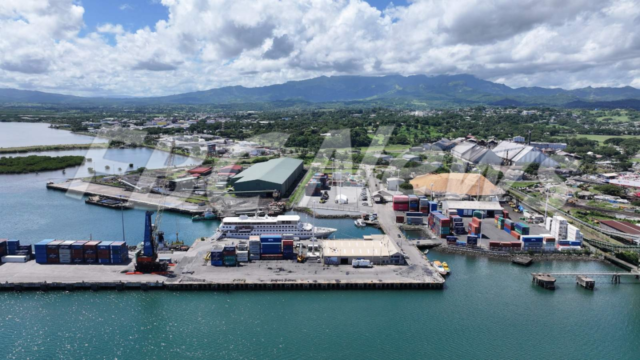
Chand says tradable goods rather than services primarily drove weakness in headline inflation.
He adds that food and non-alcoholic beverages dropped by an average of 3.3% in 2025, and the transport category fell by an average of 4.8%.
These declines, according to Chand, reflected lower imported food prices, improved global supply chain conditions, and less fuel-related pass-through compared to the 2022–2024 period.
He adds that by late 2025, monthly movements had stabilised, indicating the imported disinflation cycle was largely complete.
Despite the overall easing, some categories continued to register persistent, structural inflationary pressure, mostly in services. Alcoholic beverages and tobacco rose by 3.1% on an annual average basis.
Restaurants and hotels saw a 2.9% increase, and miscellaneous goods and services climbed by a significant 5.6% in 2025.
Chand highlights that these sectors typically reflect stronger demand from tourist activity, margin adjustments, regulated or excise-influenced prices, and service-based costs that do not adjust as quickly as commodity-driven components.
The January 2026 CPI numbers underline this ongoing divergence. Headline inflation remained negative at -2.5%yr and -0.8%mth with the annual average rate at -1.8%.
Yet, several key components continue to exert upward pressure beneath the surface, especially in alcoholic beverages, as this item remains slow to adjust downward.
Chand says Fiji is thus experiencing broad tradables-driven disinflation, alongside persistent inflation in select service and regulated categories. While headline inflation will likely remain subdued, households will still face cost pressures in areas where competition is limited, and service delivery costs remain high.
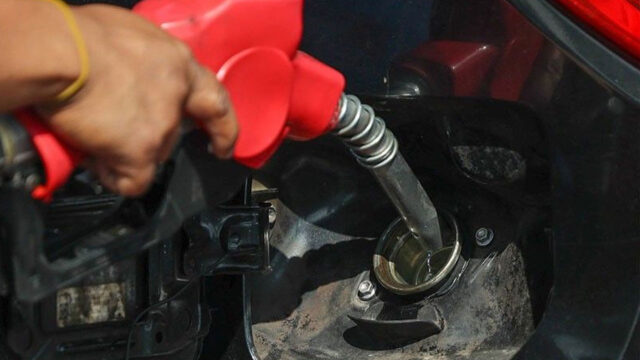
He further states that domestic fuel prices are expected to remain firm in the first quarter of this year, driven by reduced global refined production and a broader weakening of the US dollar, particularly for diesel and kerosene.
Lighter fuels such as motor spirit and premix are expected to start rising from the second quarter, but should remain mostly contained, although within a broader environment of uncertainty.
The balance of inflation risks for 2026 appears tilted to the upside.
We forecast year-end inflation at 2.8% and average inflation at 1.4% for 2026.
Stream the best of Fiji on VITI+. Anytime. Anywhere.