 Kelera Ditaiki
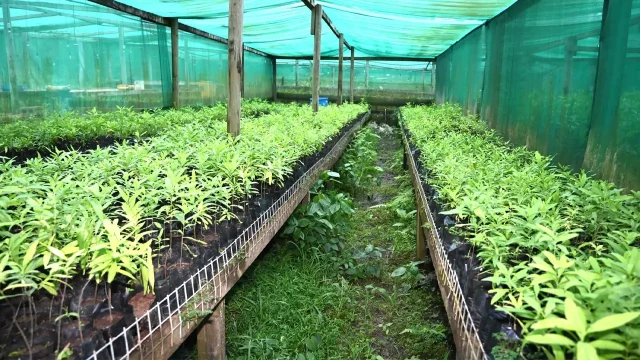
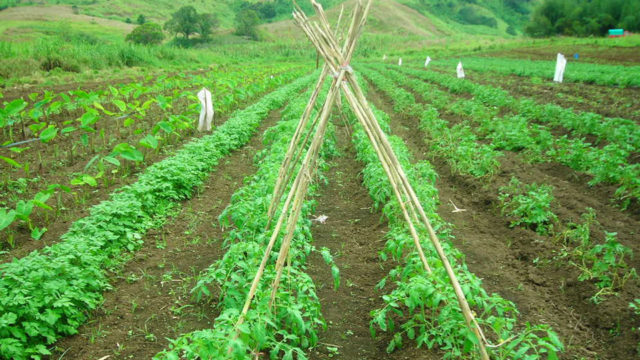
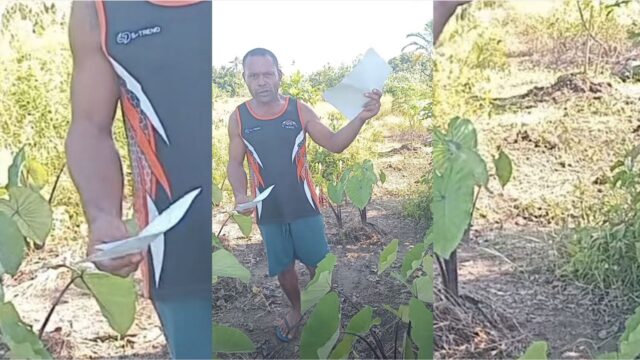
Kava dieback is spreading across farms, and agriculture authorities say the industry must act fast to protect one of Fiji’s most valuable crops.
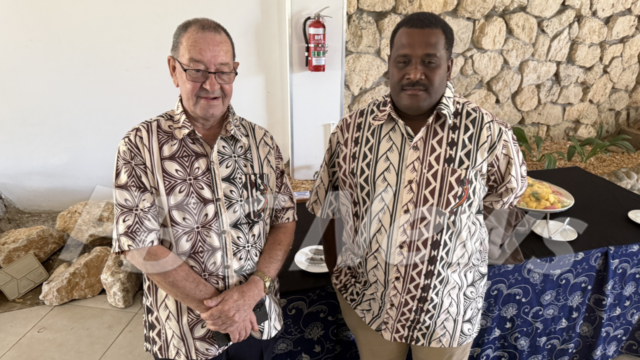
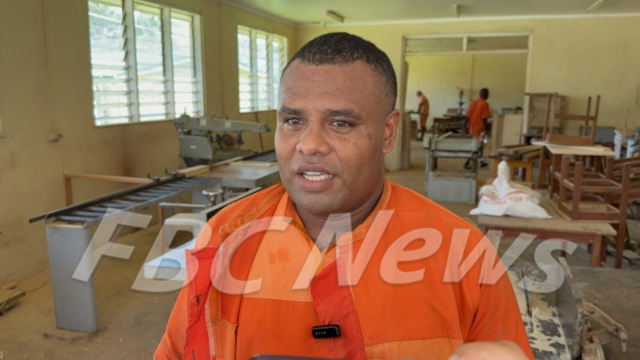
Permanent Secretary for Agriculture and Waterways Dr. Andrew Tukana says the disease is driven by Cucumber Mosaic Virus combined with environmental stress.
He says it causes stem blackening and plant death, making it harder for farmers to maintain stable production.
“Recently, the cover industry has been inundated with multiple challenges. And it has been a challenge to maintain this production at sustainable levels. And these challenges, ladies and gentlemen, include on-farm theft of cover. And also the cover disease, a shortage of good for the planting materials, as well as the reducing soil health status in areas of carbon production.”
A new survey shows 20 percent of kava farms are now affected, putting at risk an industry worth over $54 million and the livelihoods of 18,500 families.
Tukana says many farmers still depend on traditional methods, while the sector also faces theft, weak planting material, and declining soil health.
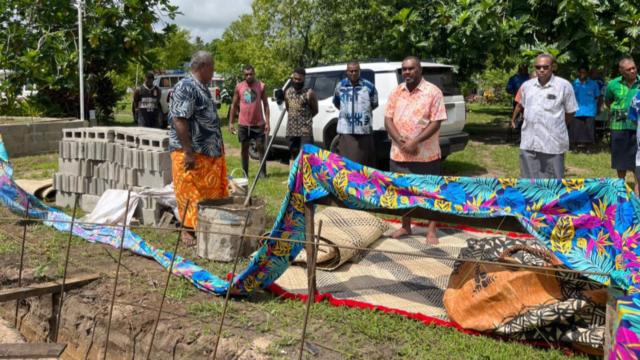
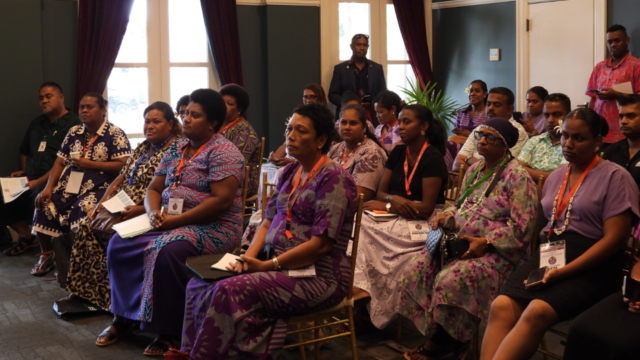
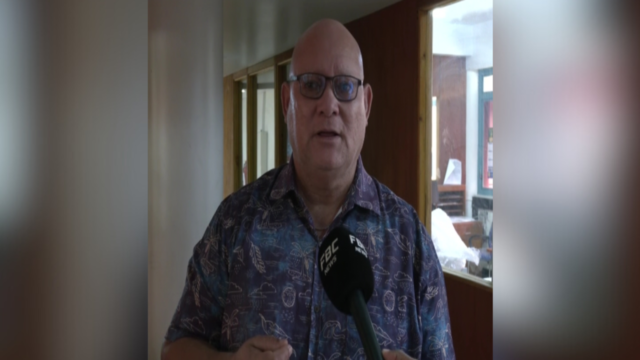
Pacific Horticultural and Agricultural Market Access (PHAMA) Program Manager David Hicks says they are working with the ministry to launch Fiji’s first guide designed to help farmers manage and reduce dieback.
The Agriculture Ministry and PHAMA say adopting modern practices and using the new guide is now critical to safeguarding Fiji’s kava industry from further decline.
Stream the best of Fiji on VITI+. Anytime. Anywhere.