 Ritika Pratap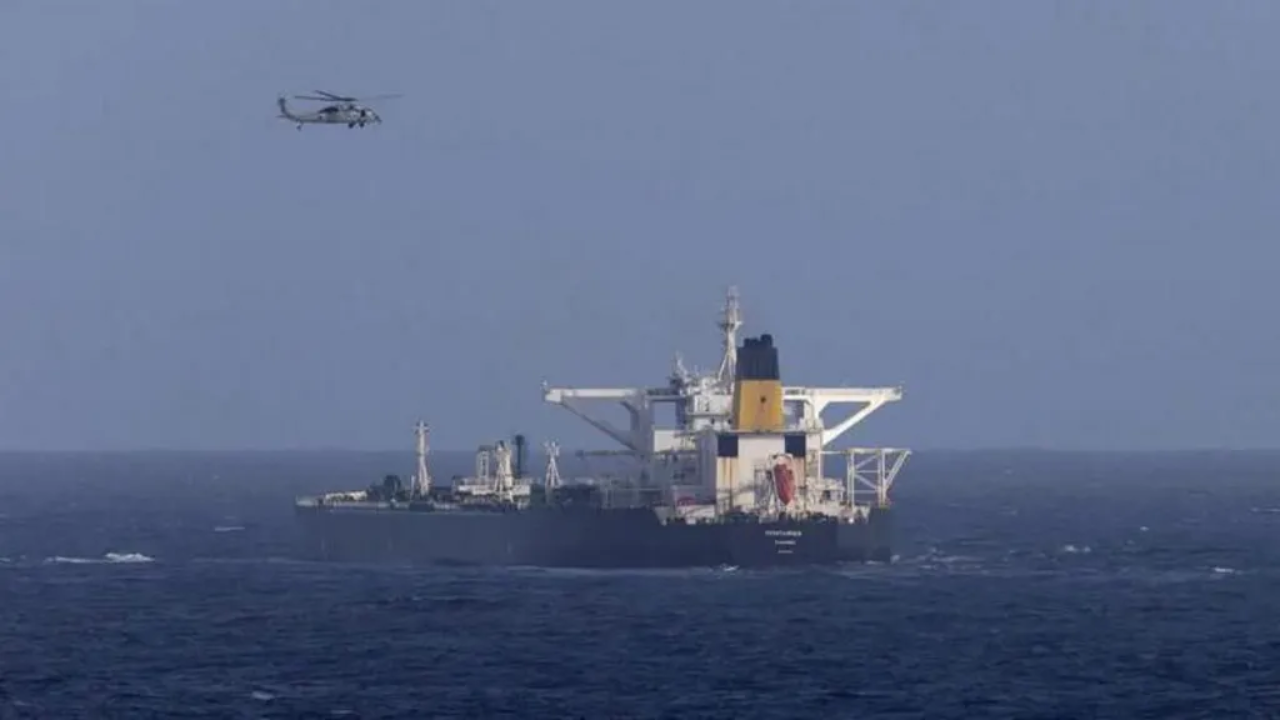
ANZ Senior Pacific Economist Dr Kishti Sen, in his latest forecast, has stated the prices for unleaded petrol in urban areas – the benchmark motor spirit prices – will likely rise by seven cents per litre on April 1st.
Dr Sen says that a 7.2 percent monthly rise (i.e., from January to February) in the price of Brent crude oil is the main driver, partially offset by a slightly stronger FJD/USD exchange rate in February.
The retail petroleum product prices in Fiji are regulated under the Fijian Competition and Consumer Commission Act 2010 and administered by the FCCC.
Dr. Sen explains that retailer profit margins are controlled by the FCCC, but input cost changes, reflecting changes in the cost of goods purchased by petroleum importers, are passed on to consumers following a strict review process.
He states that prices are reviewed each month, and adjusted new prices come into effect at the beginning of the following month.
The price review causes a one-month lag.
Hence, he highlights that during the March review (currently underway), the FCCC will be examining how the cost of petroleum products imported into Fiji moved during February.
Key factors considered will include the Mean of Platts Singapore, which, in turn, is influenced by the prices of Brent crude oil and refiner margins, tanker charter rates and the FJD/USD exchange rate movements between January and February.
At the end of March, new prices for unleaded petrol (motor spirit), premix fuel, kerosene, diesel and LPG will be gazetted before they are announced.
The new prices would come into effect on 1 April. Prices remain fixed for the month, and the price-determining cycle continues to the next month.
Dr Sen also highlights that the rally in crude oil prices seen this month so far will come into play when the FCCC completes its April review.
So far this month, Brent crude oil prices have averaged USD95.5/bbl, which is 37.7% higher than the February monthly average.
With significant uncertainty about when oil flows through the Strait of Hormuz will be normalised, prices may stay elevated through the rest of March.
Monthly oil prices are expected to exceed USD90 per barrel, with Dr. Sen forecasting a March average of USD97 – a 39% month-over-month jump.
While a 39 percent spike in Brent crude typically raises unleaded prices by 16.1 percent, Dr. Sen expects retail petrol to rise by less, 7.6% or 19 cents per liter.
This would push the total cost of fuel to $2.70 per liter by May.
Sen further explains that several reasons exist for the delay in Brent crude oil prices to flow through to petrol prices at the bowser. Refineries normally hold weeks of supply, meaning some shipments may have already been in transit (ie before the supply chain disruption started), imports based on pre-dated and lower contract prices and the lagged impact of crude oil prices to refined products.
Sen adds that, however, the government may choose to intervene by, for instance, reducing the petrol excise.