 Nikhil Aiyush Kumar
The Fijian Government has confirmed that there is currently no need to declare a State of Emergency, following a comprehensive review by the National Security Council.
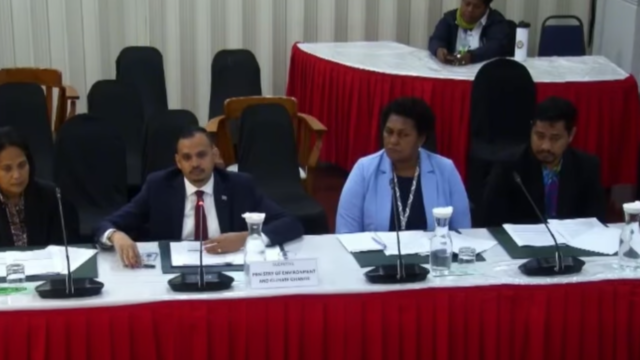
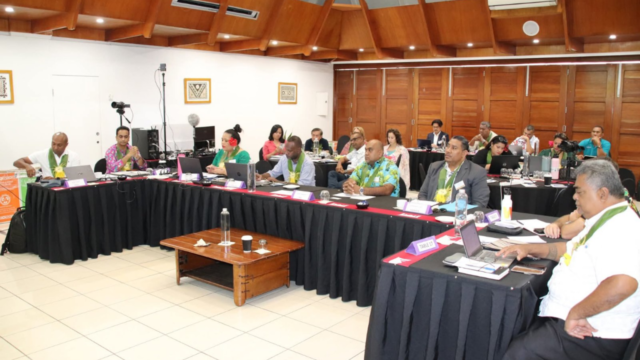
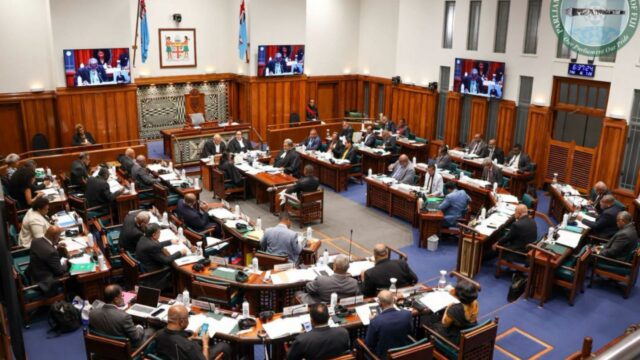
The meeting, chaired by Prime Minister Sitiveni Rabuka, brought together senior ministers and key government officials to assess the country’s security landscape and overall preparedness.
According to an official statement, the Council examined a range of issues, including global developments, fuel supply, economic conditions, contingency planning, and the current law and order situation.
Advice from both the Fiji Police Force and the Republic of Fiji Military Forces indicated that the situation remains under control, with no recommendation for emergency measures.
The statement emphasizing that such meetings are part of routine efforts to monitor risks and ensure national readiness.
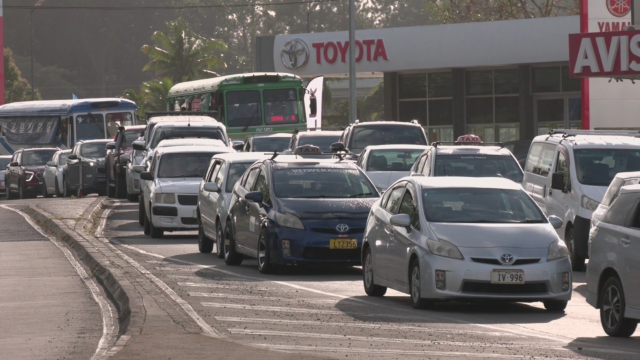
The Council was also briefed on Fiji’s fuel supply, confirming that stocks remain stable and sufficient to meet national demand for May.
Authorities are working closely with suppliers to secure June shipments, with fuel companies reaffirming their commitment to contractual obligations.
However, officials noted that Fiji’s reliance on imported fuel leaves it vulnerable to global market fluctuations. Factors such as international conflicts, shipping disruptions, refinery constraints, and shifts in global demand could still affect local fuel prices.
On the economic front, the Council reported that Fiji’s financial system remains stable, supported by strong foreign reserves and ongoing monitoring of inflation. Current policy settings continue to support economic activity.
The Government is also engaging with international partners to strengthen long-term energy security, including plans for a national fuel security framework and strategic fuel reserves.
Authorities confirmed that contingency planning is ongoing across critical sectors, including transport, energy, water, infrastructure, and maritime services.