 Riya Mala
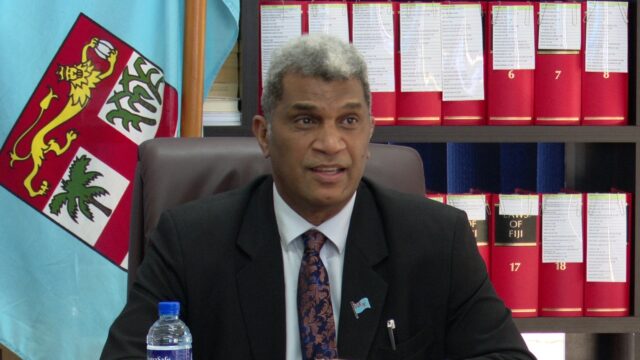
The Namosi Hydroelectric Power Project is expected to cut around 30 million litres of diesel and heavy fuel oil use each year, reducing Fiji’s reliance on imported fuel and strengthening energy security, according to HydroFiji Pty Ltd Chair Philip van der Riet.
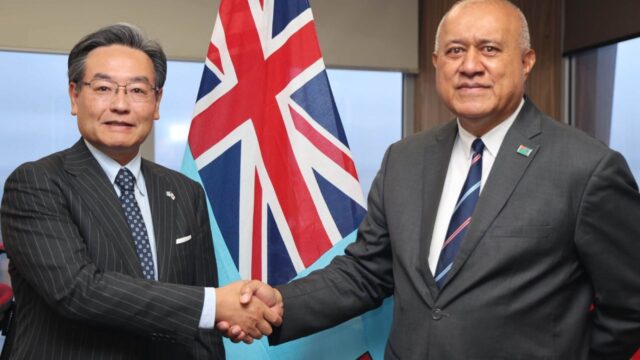
He made the remarks during the signing of a Power Purchase Agreement with Energy Fiji Limited, calling it a key step as global fuel prices rise due to geopolitical tensions, including in the Middle East.
He warned that oil shocks are likely to continue affecting global markets, making it increasingly important for countries like Fiji to move away from imported fossil fuels.
Despite Fiji’s strong hydroelectric base, around 50% of the country’s electricity is still generated using diesel and heavy fuel oil, leaving the economy vulnerable to external price fluctuations.
“When complete, the Namosi Hydro will supply 10% of Fiji’s electricity, reducing the use of fossil fuels—namely diesel and heavy fuel oil—by at least 30 million litres annually, helping to protect Fiji against future oil shocks. While Fiji still has undeveloped hydro resources, these are not infinite.”
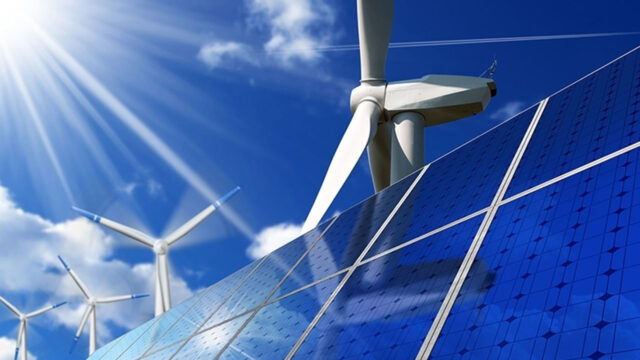
He said the project will reduce pressure on government finances, allow stable long-term electricity prices for Energy Fiji Limited, and support Fiji’s energy transition through a mix of hydro and solar power.
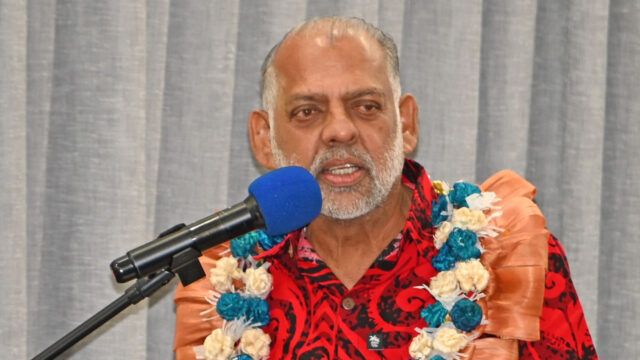
EFL Director Gardiner H Whiteside says the project will supply part of Fiji’s electricity demand and is expected to cover about 10% of the country’s energy needs.
“Beyond the numbers, however, what truly makes this project transformative is its role in reshaping Fiji’s energy mix. Currently, approximately half of the energy we generate is derived from hydropower.”
The project is being seen as a major step toward long-term energy stability, with officials saying it could play a crucial role in protecting Fiji’s economy from future global fuel shocks.