 Litia Cava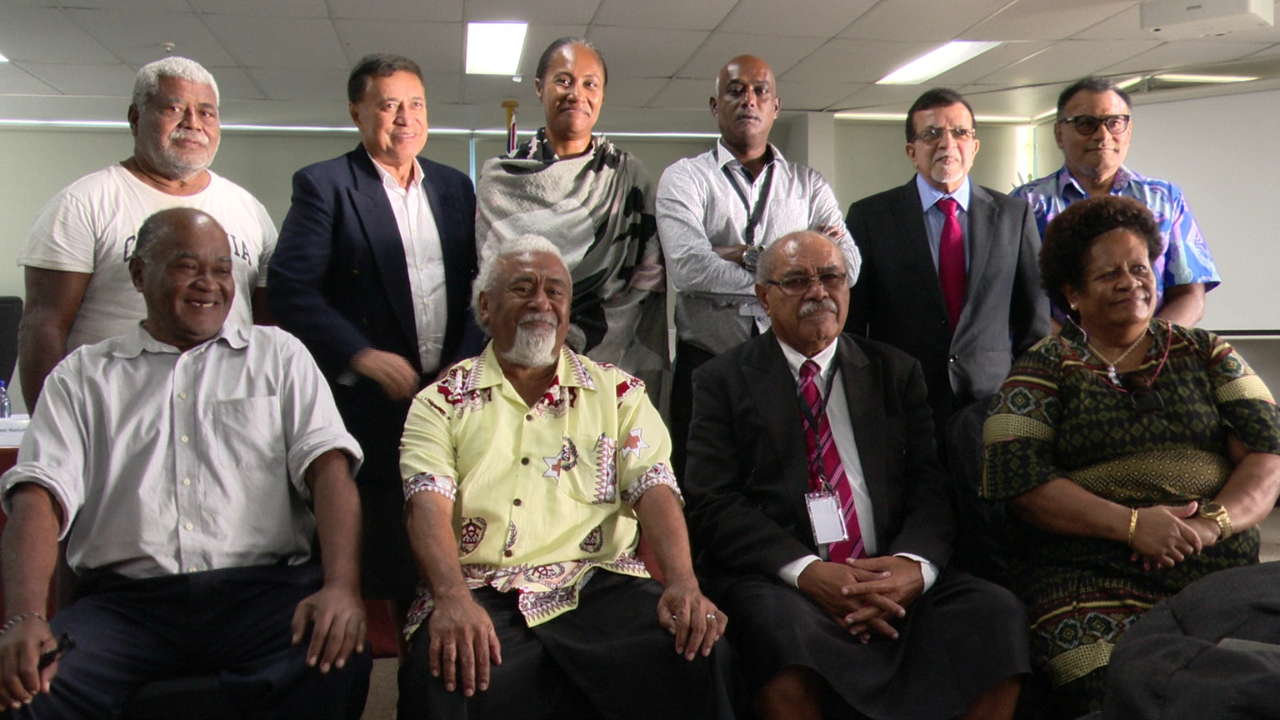
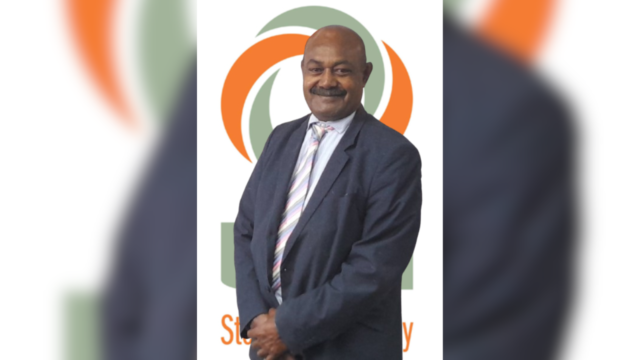
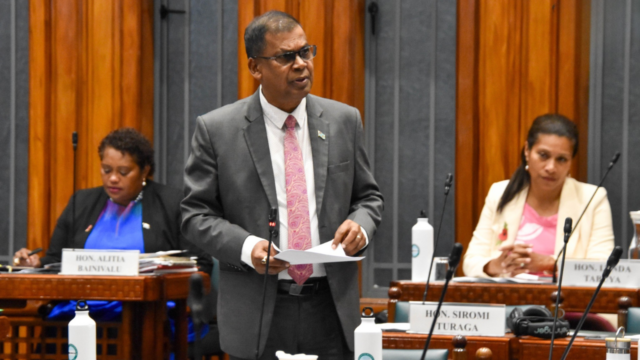
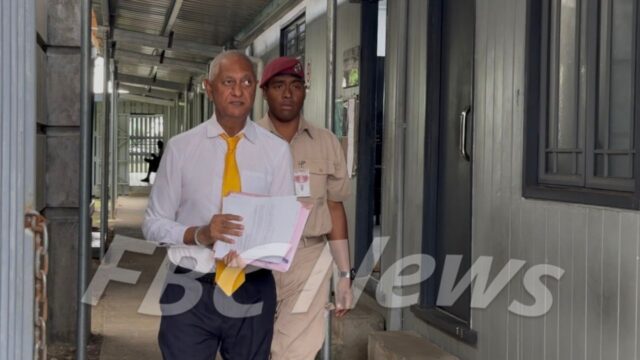
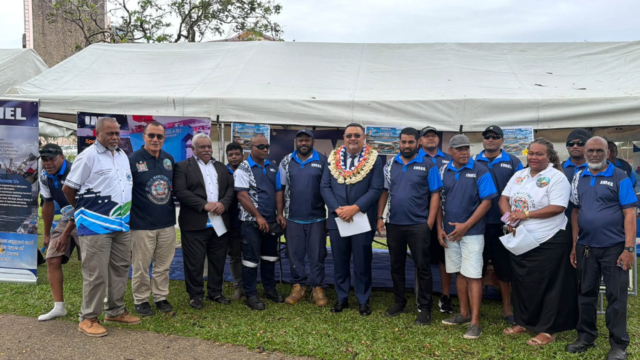
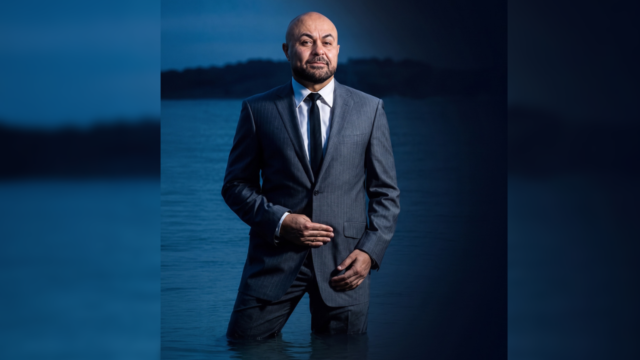
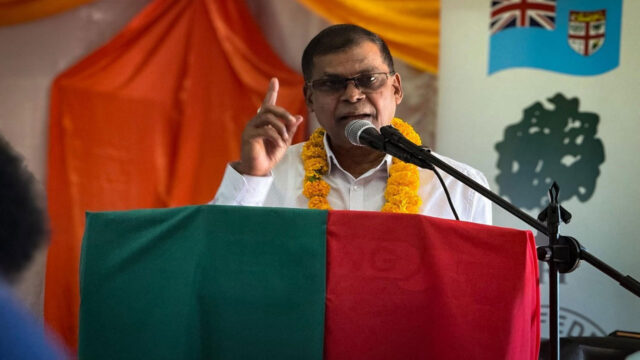
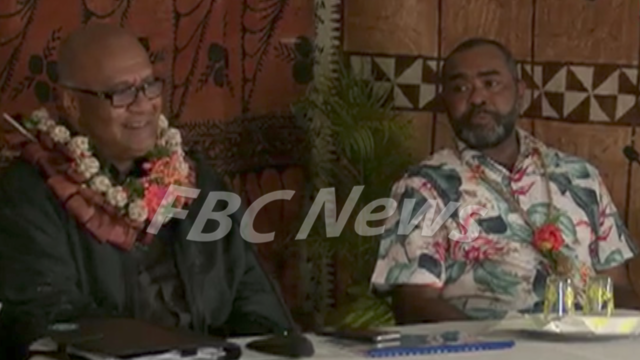
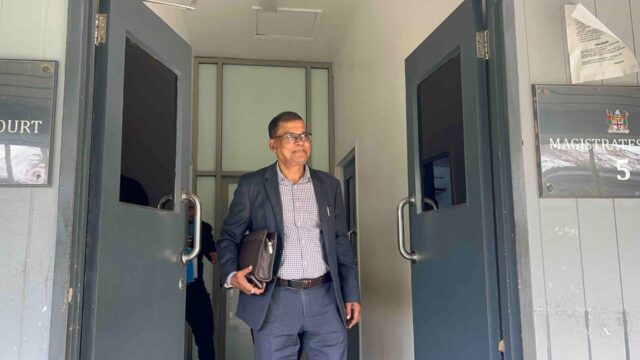
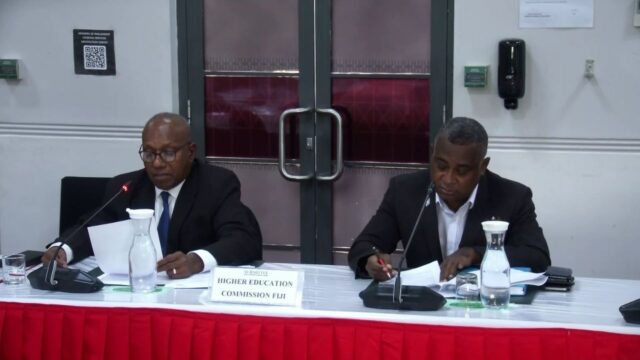
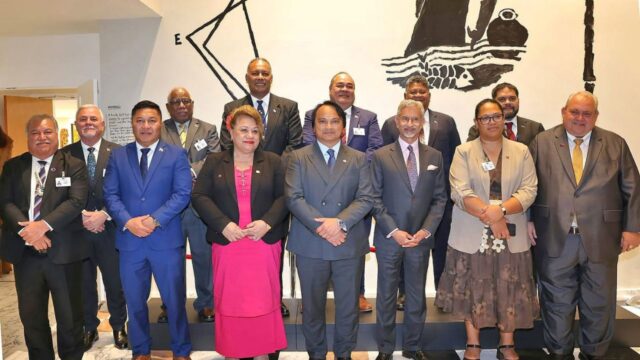
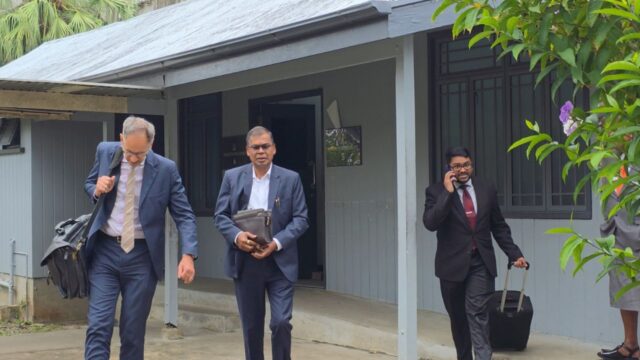
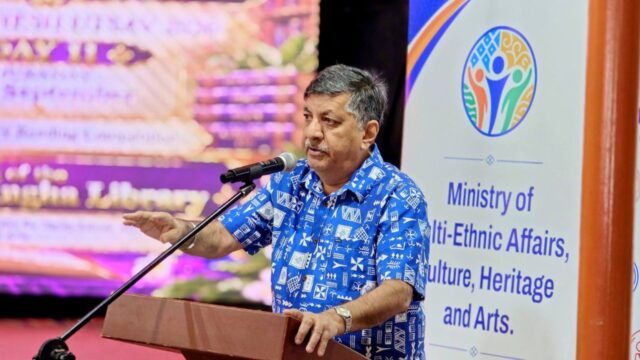
Former Opposition MP Niko Nawaikula with Constitutional Review Commission members.
A sharp divide over group rights and indigenous protections has emerged at the Constitutional Review Commission.
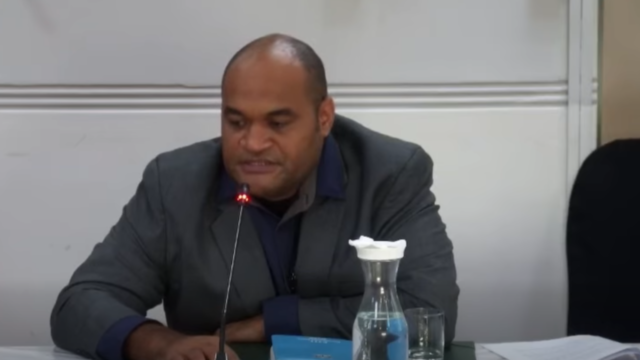
Former Opposition MP Niko Nawaikula argues the 2013 Constitution stripped away key safeguards that existed in the 1997 framework.
Nawaikula told commissioners that the 1997 Constitution contained a dedicated chapter on group rights including provisions on affirmative action and recognition of customary rules.
He said those protections are missing in the current Constitution, leaving a gap in how collective rights, particularly for the iTaukei, are recognised in law.
“So just enabling provision there and leave it to the Parliament to work out, you know, because how do you consult? That’s the question. How do you obtain the prior informed consent to be legitimised? So there are other legislations that need to be passed to support it.”
Nawaikula pushed for Fiji to explicitly reflect its obligations under ILO Convention 169 in the Constitution. Nawaikula said any such provision must balance indigenous rights with the rights of other communities, but insisted the obligation should be clearly stated and not implied.
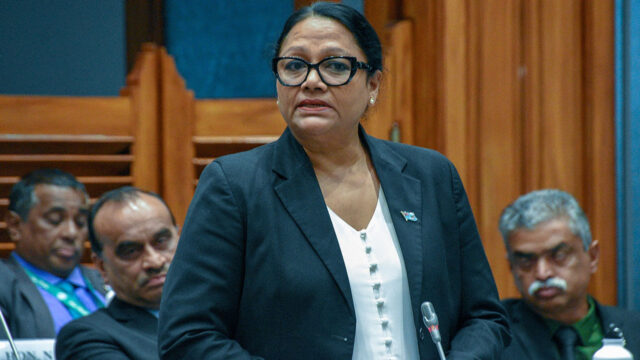
Commissioner Dr John Fatiaki acknowledged the proposal, describing it as a balancing act and stressing the need to strike the right balance as the review progresses.
The discussion then widened to the role of civil society. Commissioner Merewalesi Nailatikau highlighted the contribution of Non-Government Organisations in presenting community concerns at international forums, especially during periodic reviews tied to treaties Fiji has ratified. She noted the personal and financial cost involved in that process.
Nawaikula agreed, but went further. He said NGOs play a critical role in countering state narratives presented overseas. He claimed government reports often reflect official positions and may not capture ground realities, especially on issues like equality. Without NGO input, he warned, the international community may not fully understand local concerns, including those tied to group rights.
The debate also turned to how indigenous consultation is handled in lawmaking. Commissioner Ami Kohli pointed to developments in New Zealand, where Maori interests are formally considered in legislation affecting them. She questioned whether Fiji should adopt a similar mechanism, particularly in areas such as land and mineral rights.
Nawaikula responded that existing provisions, including Section 185, are too narrow. He argued for broader constitutional backing under group rights, with enabling provisions that would require further legislation to define processes like prior informed consent.
Affirmative action policies also came under scrutiny. Kohli referenced past policies under the 1997 Constitution that allocated 50 percent of scholarships, civil service roles, and grants to iTaukei. She questioned whether such fixed ratios remain fair given demographic changes.
Nawaikula rejected rigid formulas. He pointed to newer legislative approaches, such as provisions in the anti-narcotics bill, which tie recruitment to the ethnic composition of the population. He said this model offers flexibility and avoids locking the system into outdated ratios.
A separate but related proposal from Nawaikula drew questions on governance structure. He suggested replacing the Senate with the Great Council of Chiefs, expanded to include appointed and elected members from various communities.
Commission Chair Sevuloni Valenitabua questioned why the body should not simply remain a Senate with similar composition. Nawaikula said his proposal aimed to give the Great Council of Chiefs a broader national role, where chiefs are seen as leaders of all communities, not just the iTaukei.
Dr Fatiaki responded that such a shift could be achieved through a bicameral system, incorporating the council within a Senate structure. He cautioned that defining the composition of the Great Council of Chiefs may fall outside the Commission’s mandate and should ultimately rest with the council itself.
Nawaikula closed by pointing to a disconnect between law and practice. He cited examples from provincial settings where non-iTaukei are already integrated into traditional structures but said existing laws including the Fijian Affairs Act have not kept pace.