 Apenisa Waqairadovu
Fiji faces both opportunities and challenges as it navigates global economic uncertainty, rising costs, and fiscal pressures.
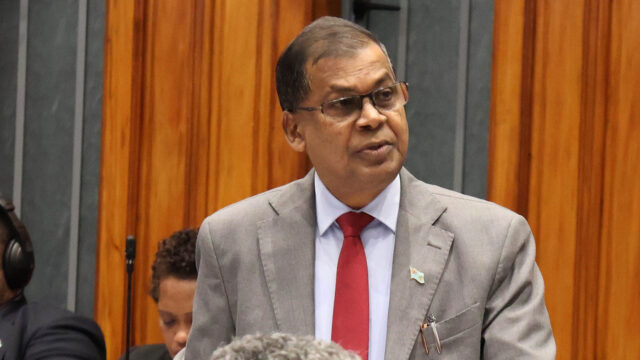
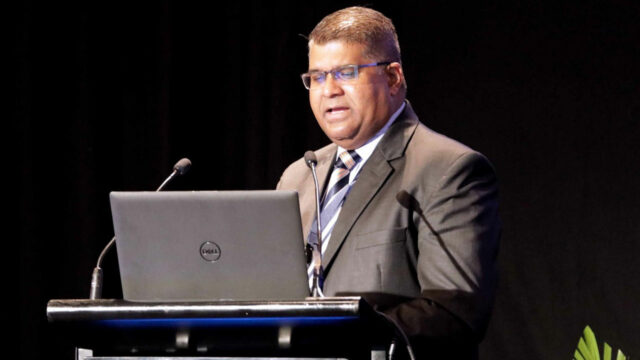
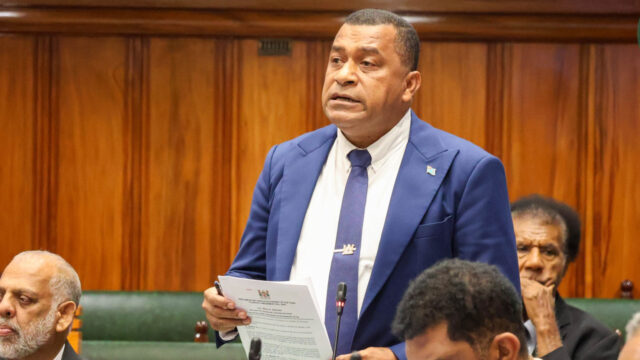
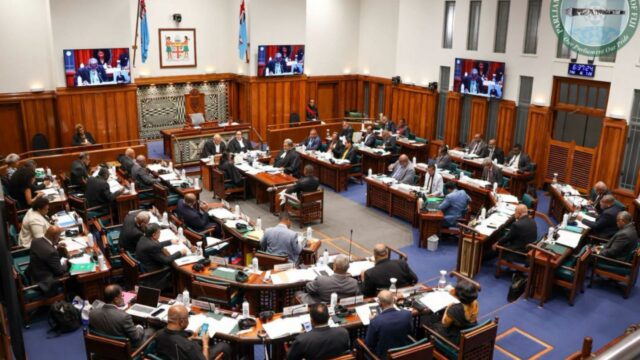
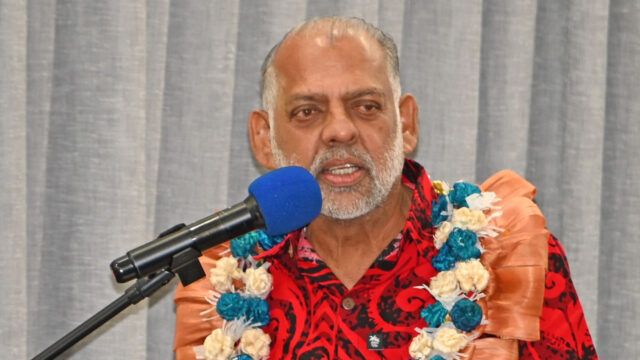
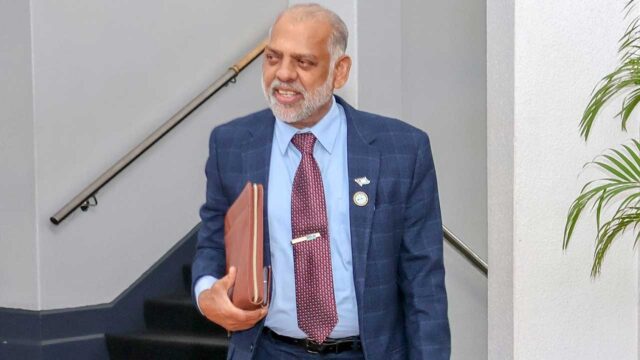
In his ministerial statement in Parliament today, Finance Minister Esrom Immanuel said the government was focused on sustaining growth, protecting households, and ensuring economic stability.
He notes GDP growth has been revised upward to 3.4 per cent for this year with 2026 projected at 3.0 percent, reflecting strong performance across key sectors despite global turbulence.
Immanuel highlights labour and consumption gains as indicators of resilience.
“This strong performance in overall government revenue was attributed to above forecast collections of around 41.3 million, or 4.9% in tax revenue, and 32.1% or 15.1% in non-tax revenue. Compared to the same period last year, total revenue was higher by $31.8 million.”
He states resident departures are declining, foreign workers are arriving to support industries and wages and salaries have risen by 9.4 per cent.
Consumption-related loans climbed 28.5 per cent while tourism, electricity generation and timber processing show growth, supported by government infrastructure and investment projects.
Fiscal management remains a priority, Immanuel adds with total revenue exceeding $4 billion and tax collections reaching $3.5 billion, above budget forecasts.
Government expenditure was reduced slightly, lowering the fiscal deficit to 2.5 percent of GDP, the lowest since 2016–17.
The debt-to-GDP ratio fell from 79 to 78.8 per cent, reflecting stronger economic fundamentals.
Inflation control is also central to the government’s plan. Immanuel says headline inflation fell to negative 1.4 per cent in November due to lower rents and public transport subsidies, easing the cost of living for families.
He notes social welfare increases and rural support programmes have contributed to household stability.
Despite these gains, Immanuel warns that global risks remain, including geopolitical tensions and commodity price fluctuations.
He said Fiji’s economy was prepared through prudent fiscal policies, diversified activities, and strategic partnerships, with targeted measures ready to protect growth and livelihoods.
The Finance Minister stresses confidence in the country’s economic future. He says strong institutions, inclusive growth policies and careful investments are paving the way for higher living standards, job creation, and long-term prosperity.
Immanuel adds that Fiji is building resilience amid global uncertainties with fiscal strength, rising incomes, expanding sectors and government policies designed to secure stability and sustainable growth for all Fijians.
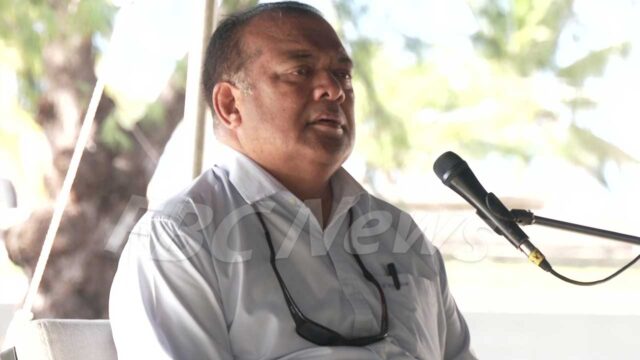
In response to the ministerial statement, Opposition MP Alvik Maharaj said Fiji’s economic growth was too slow to meet national development needs, despite Finance Minister’s ministerial statement.
He adds the projected growth of 3.4 per cent this year and 3.0 percent in 2026 leaves the majority of Fijians behind and fails to generate enough jobs or reduce the country’s high public debt, which remains around 80 percent of GDP.
“And I request Honorable Minister not to follow suit of his previous minister who used to actually say a few sentences and leave a few sentences. IMF has said that we (1:37) need more than six percent growth a year to sustain our national development plan. Close to around three billion in three years isn’t a very good physical policy. Close to around three billion in three years isn’t a very good policy, especially when current policies don’t show any trend to sustain this heavy borrowing by this government.”
Maharaj criticises government policies, saying corporate tax increases and stagnant PAYE thresholds are fueling the black economy and reducing purchasing power.
He adds that rising living costs, coupled with regressive tax measures, make it harder for ordinary Fijians to meet everyday expenses. He also highlights concerns over tourism-related bills and resource extraction policies that could undermine investor confidence.
He warns the current growth rate is insufficient to create the physical and financial buffers recommended by the IMF.
Maharaj says the government’s approach shows short-sightedness with ad hoc policy decisions failing to secure sustainable development or protect citizens’ economic wellbeing.