 Taina Basiyalo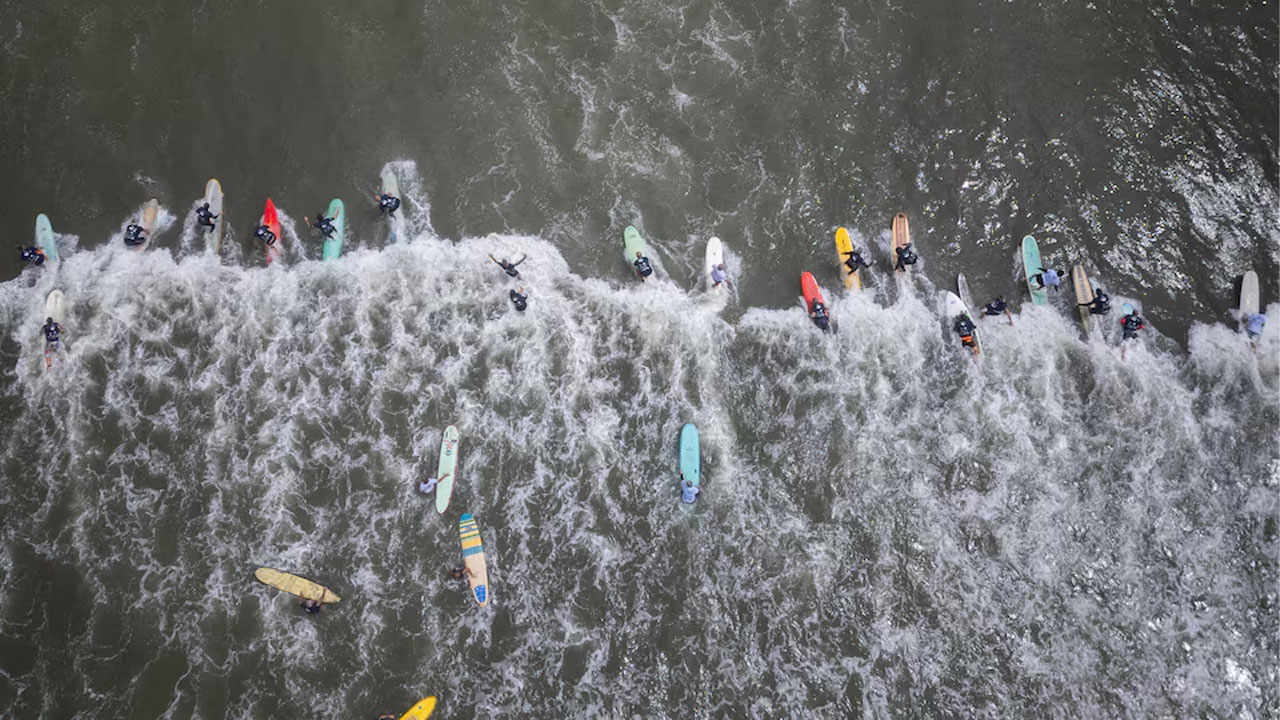
File Photo
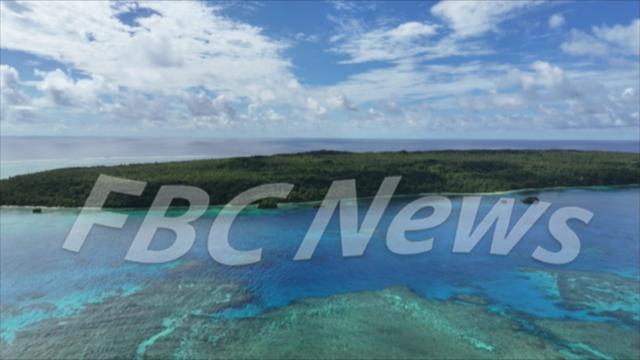
A major change is coming to Fiji’s surfing landscape as government moves to repeal the Surfing Decree, potentially paving the way for paid access to some of the world’s top reef breaks.
For more than a decade, the Surfing Decree introduced in 2010 opened Cloudbreak, Restaurants and other iconic waves to everyone, ending the era when foreign owned resorts controlled access and only paying guests could surf.
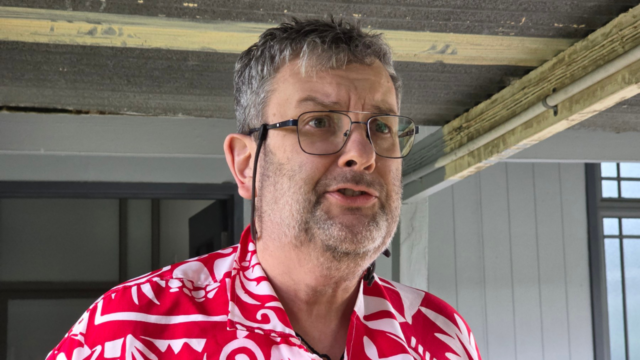
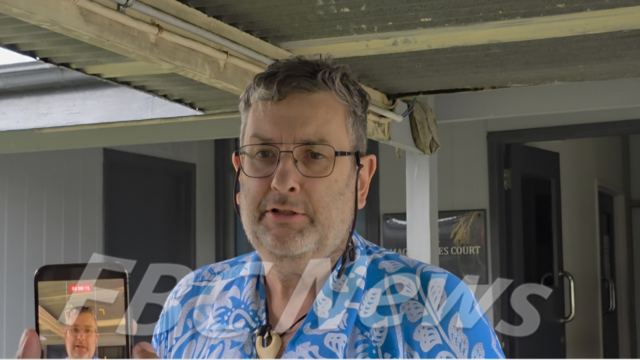
Speaking to ABC Pacific News, Fijian surf pioneer Ian Ravouvou Muller says the decree transformed the sport in Fiji.
“We as locals couldn’t surf. We were treated as second class citizens in our own country. Ever since we opened, there has been an explosion of local surf businesses and young up and coming stars.”
But while local surfers and tourism operators benefited, traditional land and sea owners watched from the sidelines as others profited from their waters.
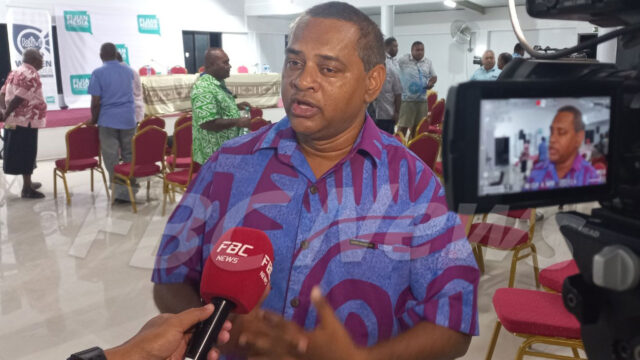
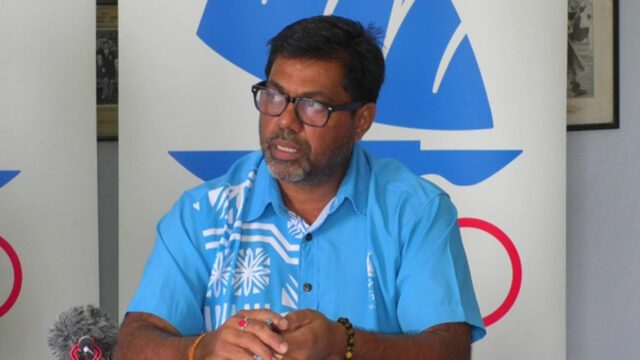
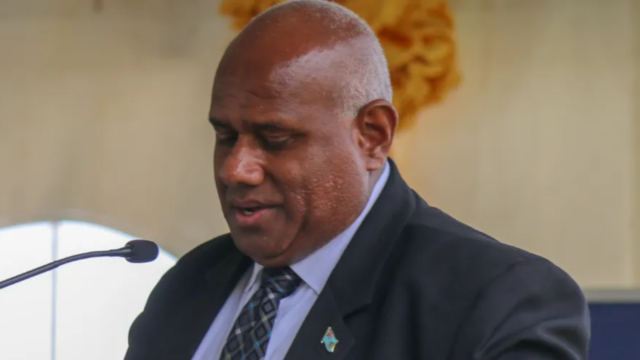
Tourism Minister Viliame Gavoka says the proposed repeal, expected to go before Parliament this week, aims to restore Indigenous rights over marine areas and ensure they are compensated for use of their resources.
“In place will be a structure designed to liberalise access and ensure resource owners are compensated.”
He stresses the replacement law will not return exclusive access to resorts, and public consultation will follow its tabling in Parliament.
How compensation will be calculated is still under discussion.
“No one will be charging anything that is out of line.”
The looming repeal has sparked concern among surf operators and the tourism sector, with both the Fiji Surfing Association and the Fiji Hotels and Tourism Association declining to comment, saying they have yet to see the new legislation.
Muller, who has Indigenous heritage and runs a surf business, says traditional owners deserve a fair share.
“Our people haven’t been fairly compensated. Surfers come in and chase away the fish. They destroy the reefs. They need to be compensated.”
Once public consultations begin, Muller plans to propose the creation of “ocean parks” a model where visitors pay a user fee that funds lifeguards, reef protection, village support and community services.
“It is probably the most sensible way where everybody wins. It could be a great model for the rest of the world.”
The parliamentary debate this week is expected to set the tone for the future of Fiji’s surf tourism industry and determine how locals, traditional owners and operators will share the ocean’s rewards.
Stream the best of Fiji on VITI+. Anytime. Anywhere.