 Litia Cava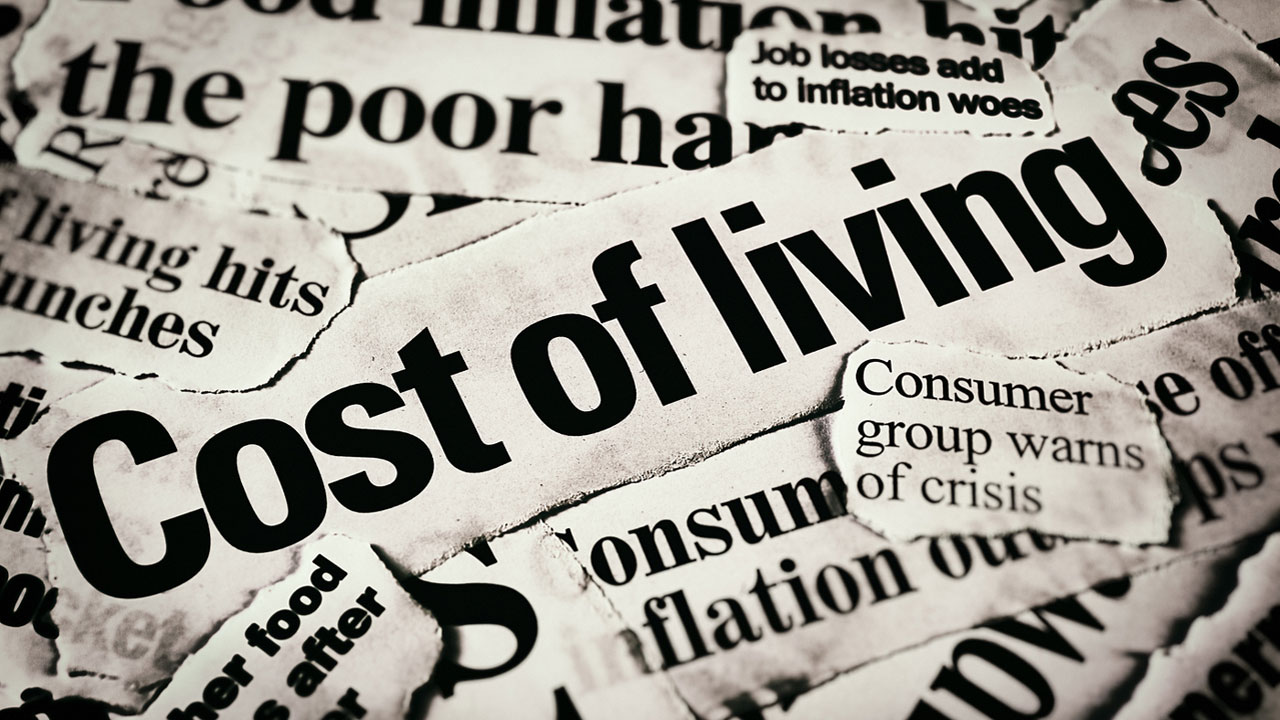
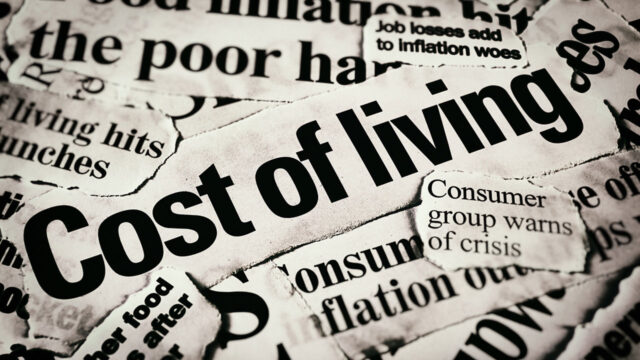
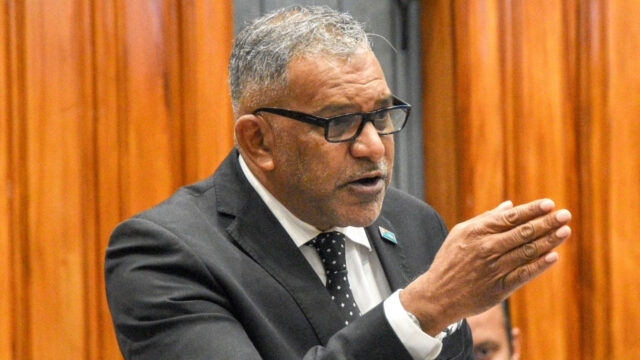
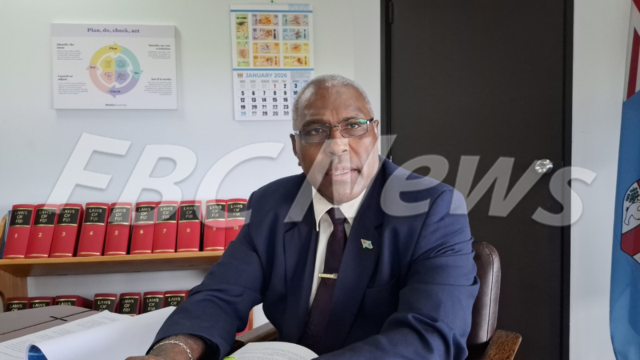
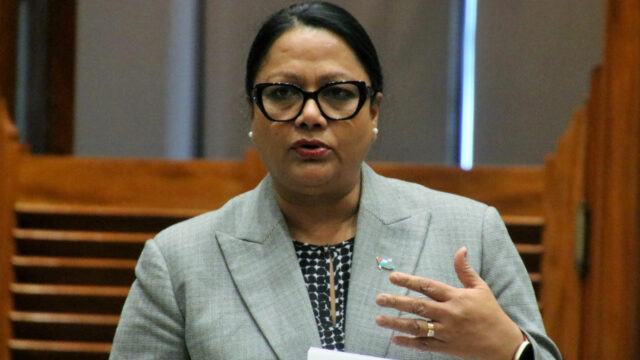
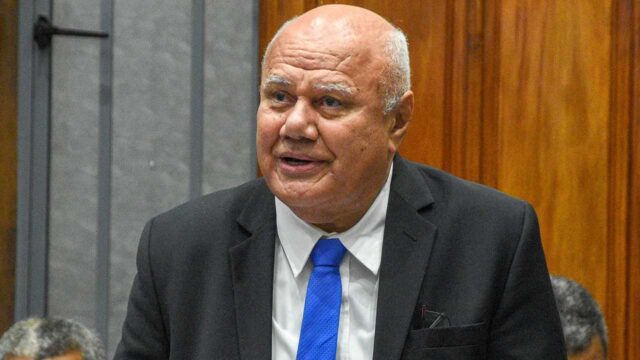
Calls to remove Value Added Tax could leave salaries and services unpaid, Minister for Public Enterprises, Multi-Ethnic Affairs, Culture, Heritage and Arts Charan Jeath Singh told Parliament, as he pushed back against claims that the government is responsible for rising prices in Fiji.
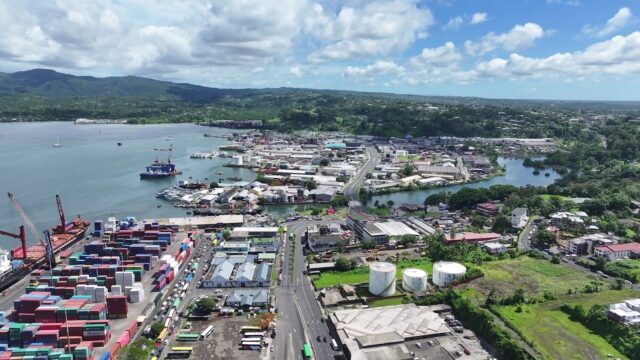
Singh explained that Fiji has limited control over the cost of goods, as the country relies heavily on imports.
He said most products sold locally come from countries such as New Zealand, Australia, Malaysia, Singapore, India, and Thailand, while even locally manufactured goods largely depend on imported raw materials.
According to the Minister, this makes Fiji vulnerable to global supply shocks and price increases beyond the government’s control.
“Do not blame us if the prices of goods have increased here because of honourable Rabuka’s Government. Even if the Government changes tomorrow, you will not be able to change the prices. So, do not mislead the consumer in this country, that because of us, the prices went up.”
He further challenged opposition claims that the Coalition Government led by Prime Minister Sitiveni Rabuka is responsible for rising costs.
Singh said global events including conflicts such as the war in Ukraine and tensions involving Iran and the United States have driven up international costs, which are then passed on to small, import-dependent economies like Fiji.
The Minister also defended retailers, particularly supermarkets, highlighting his own background in the sector.
He explained that supermarkets operate on small profit margins and cannot simply absorb global price increases, cautioning politicians against misleading consumers by suggesting government policy alone determines prices.
Beyond the cost-of-living debate, Singh outlined priorities for his ministries. As Minister responsible for Multi-Ethnic Affairs, Culture, Heritage, and Arts, he highlighted an expansion of the government’s multi-ethnic grants program, with funding increased to $2 million this year.
The program supports community projects ranging from water systems and infrastructure upgrades to cultural and educational initiatives.
He also pointed to work to preserve the legacy of indentured labourers, including the digitisation of more than 60,000 historical records and the planned development of a Girmit museum.
On the economic front, Singh said strengthening governance and performance within state-owned enterprises remains a priority.
He noted that 13 public enterprises operate under the Public Enterprises Act, playing a key role in sectors such as aviation, communications, agriculture, and finance.
The Ministry is working to improve oversight through merit-based board appointments and new evaluation frameworks for directors.
Singh concluded by saying the government’s broader goal is to strengthen both social cohesion and economic stability, arguing that while global pressures affect prices, stronger institutions and inclusive policies are essential to maintaining national resilience and long-term growth.
Stream the best of Fiji on VITI+. Anytime. Anywhere.