 Nikhil Aiyush Kumar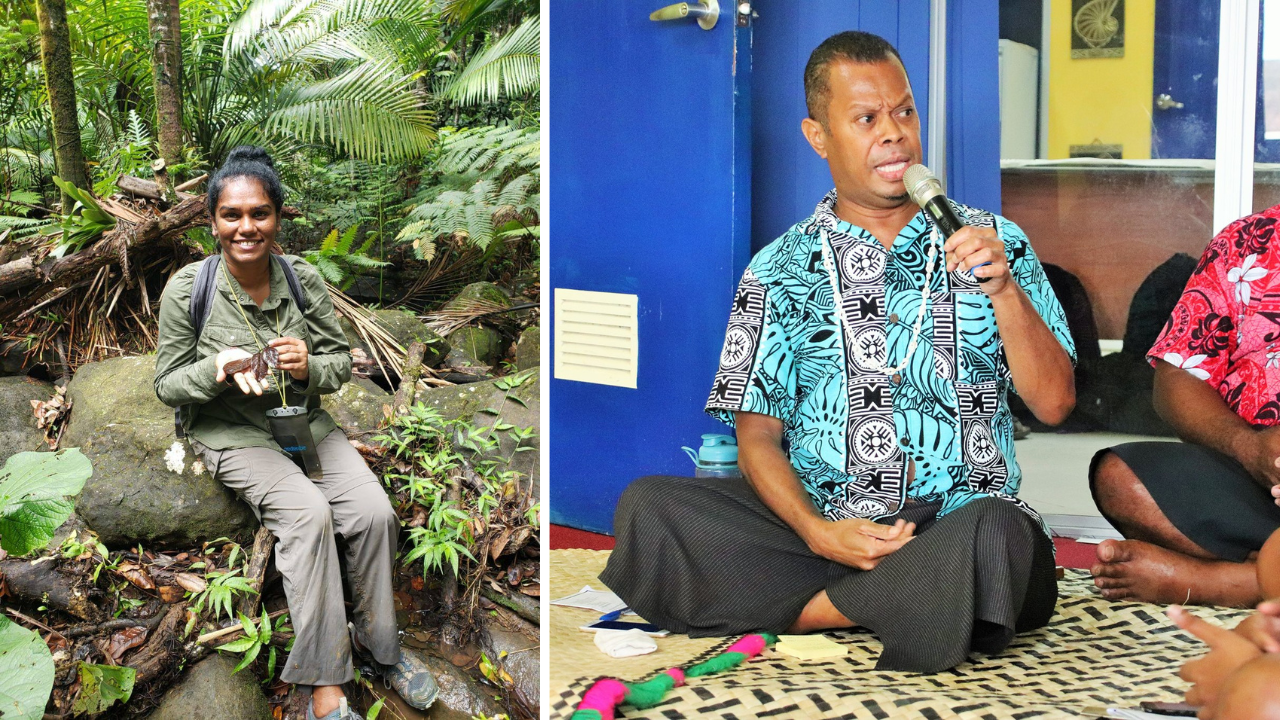
[Photo: SUPPLIED]
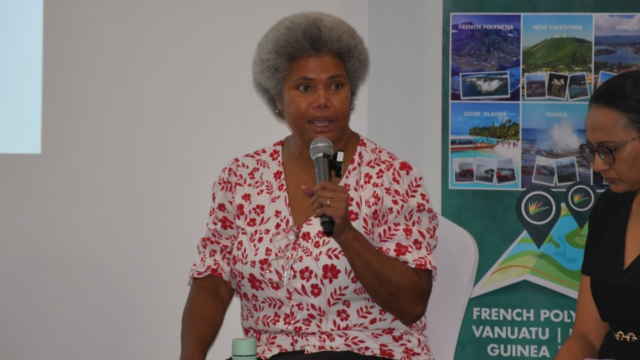
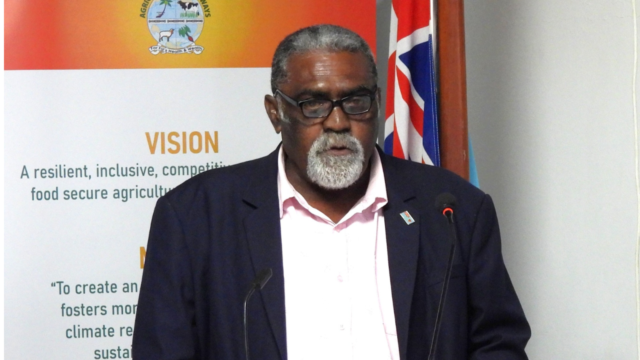
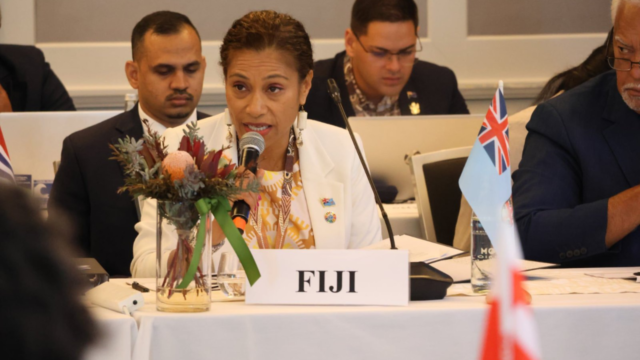
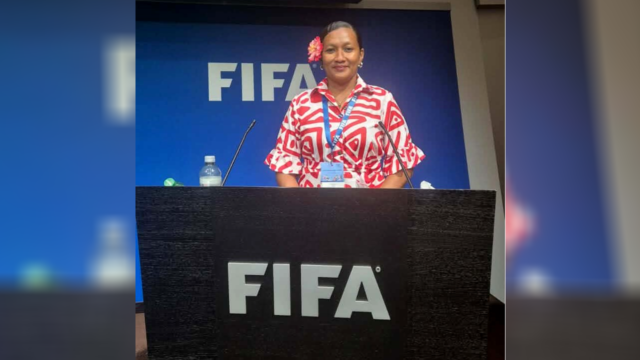
Pacific wetlands scientist Bindiya Rashni delivered a strong appeal against deep-sea mining at the seventh session of the United Nations Environment Assembly (UNEA-7), speaking on behalf of biodiversity and ethno-biodiversity experts from 22 Pacific Island countries.
Addressing delegates in Nairobi recently, Rashni emphasized that the deep-sea zone of the South Pacific is more than an ecological system, describing it as a sacred and interconnected space central to Indigenous identity, culture, and survival. She characterized the ocean floor as a “biocultural bank” that must be preserved for future generations.
“The deep sea is not an empty frontier.It is a living continuum — ecologically, culturally, and spiritually — for Indigenous peoples of the Pacific.”
Her statement echoed concerns raised by Indigenous leaders across the region.
Indigenous Fijian cultural expert and scholar Simione Sevudredre warned that deep-sea mining threatens the foundations of Indigenous life.
“Who we are as Indigenous people is intrinsically linked to the ocean — our histories, identities, and way of life. If deep-sea mining is allowed to happen, all of these will be brutalised, violated, and trampled upon.”
Experts from Pacific Island Countries (PICs) argue that the deep sea is a culturally symbiotic zone closely tied to the region’s biodiversity. They caution that failure to protect it could result in what they describe as “biocultural bankruptcy,” permanently damaging both ecosystems and cultural heritage.
Rashni urged UN member states to reconsider proposed resolutions that would advance deep-sea mining.
Stream the best of Fiji on VITI+. Anytime. Anywhere.