 Riya Bhagwan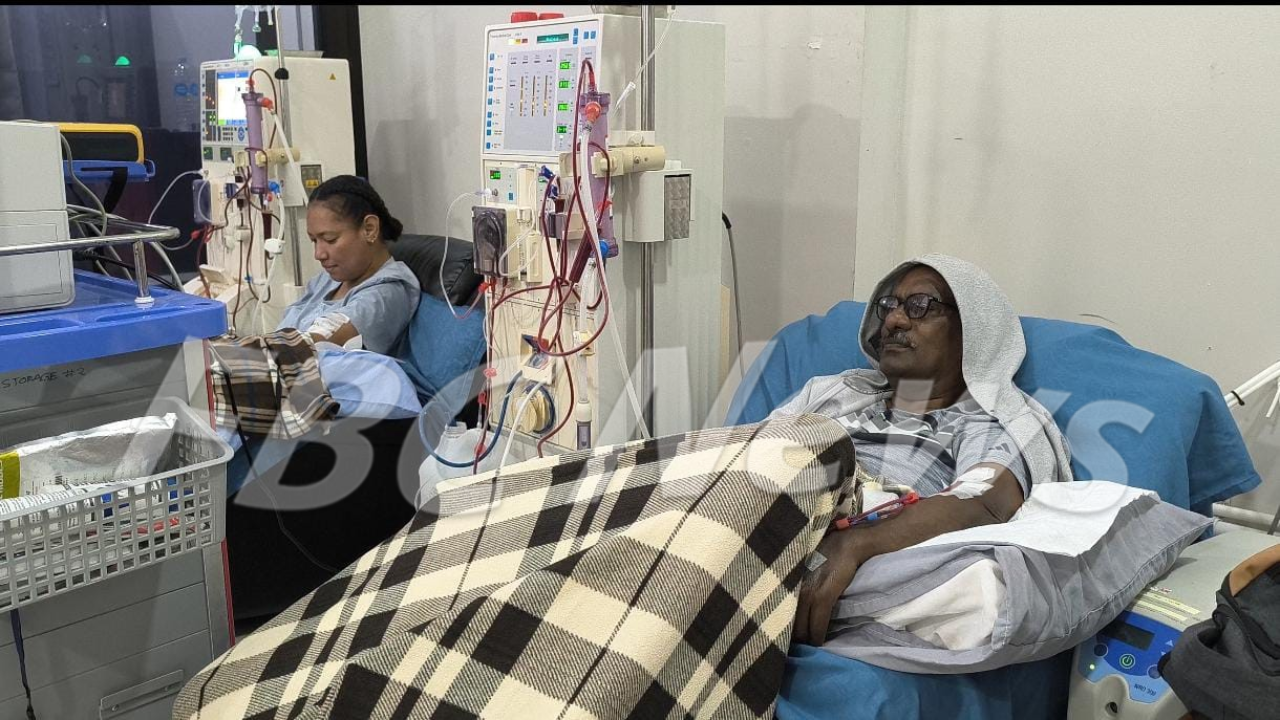
[Supplied]
Early medical treatment could help kidney patients avoid up to fifteen years of dialysis, helping prevent further complications and health issues while also reducing the financial burden of long-term dialysis care.
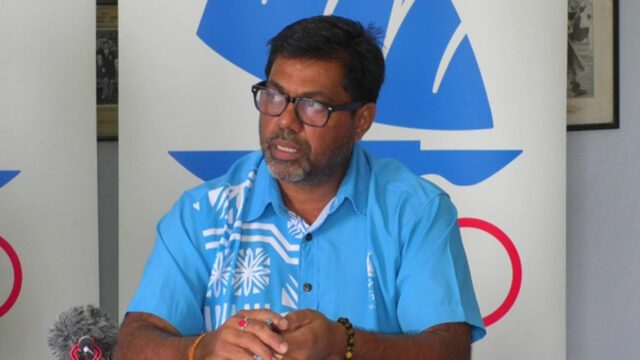
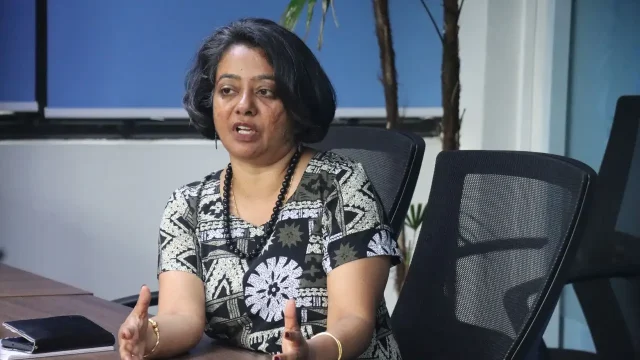
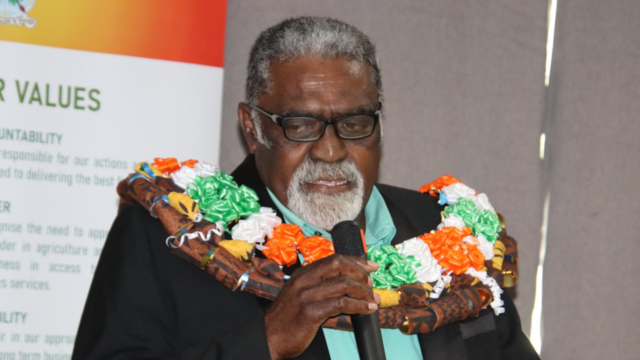
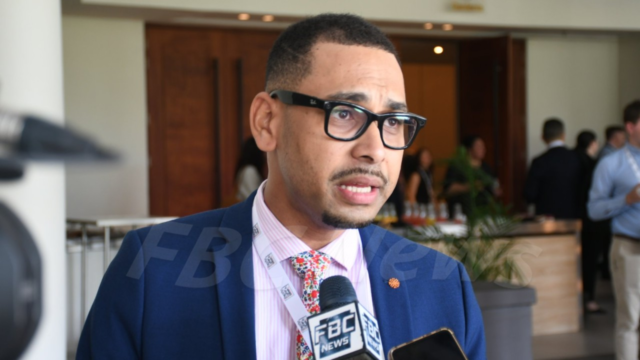
Director for The Kidney Hub, Dr. Amrish Krishnan, says many people hesitate to get checked for kidney failure or other kidney-related illnesses, often allowing the disease to reach its final stages, making it more difficult for patients both physically and financially.
He says there are two categories of people – those with existing diseases that increase the risk of kidney failure who delay testing due to fear of dialysis, and younger people who often believe they are “invincible.”
Dr. Krishnan emphasizes that early detection places both patients and doctors in a better position to change the trajectory of the disease.
“If we start them (kidney patients) earlier in the course of kidney disease, it can delay your need for dialysis by 10 to 15 years, and if you put that from a monetary perspective, you are saving about half a million dollars because you came early to get checked and you got placed in the right medication.”
He adds that young people must also understand that kidney-related illnesses can develop at any stage of life and that regular health checks are essential.
“Sometimes that is the most tragic thing when you when we see 16-year-olds or 18-year-olds or 19-year-olds with kidney failure and they say I didn’t think that I would end up this way or why is this happening to me? Or why is God allowing this to happen to me? And I think young people need to be vigilant about their health they need to be vigilant about symptoms or signs that develop and get to the doctor early.”
The specialist nephrologist highlights that symptoms of kidney failure often develop later, noting that patients can still feel normal even when kidney function drops to as low as 30 percent.
While early signs may include minor leg swelling, shortness of breath, or frothy urine (indicating protein leakage), Dr. Krishnan advises individuals to undergo regular medical checks even in the absence of symptoms.
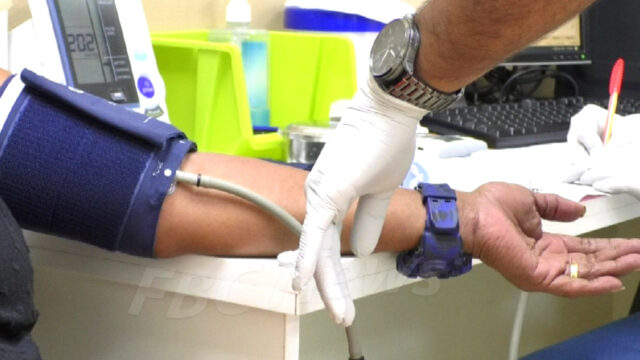
He recommends that people under the age of 30 get screened every three to four years, while those over 30 should be checked at least once a year.
Stream the best of Fiji on VITI+. Anytime. Anywhere.