 Bose Vavataga
[file photo]
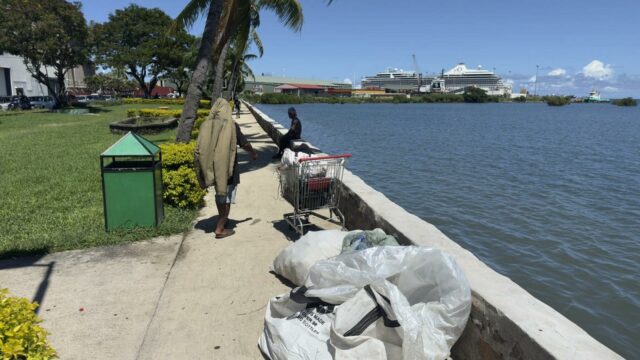
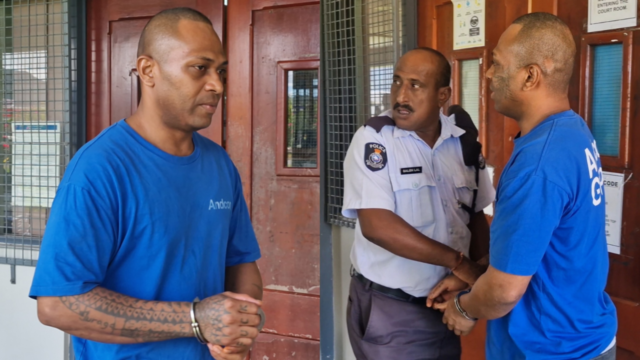
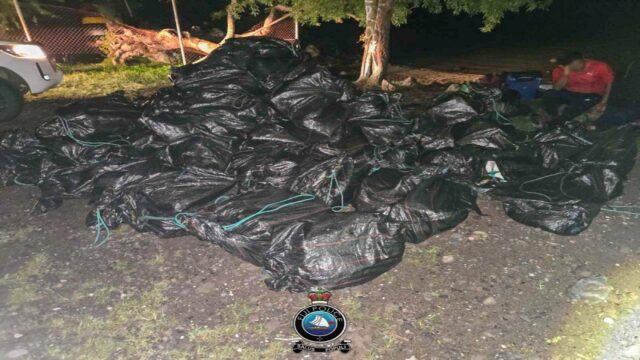
Fiji’s remote coastlines and small jetties are being targeted by international drug syndicates.
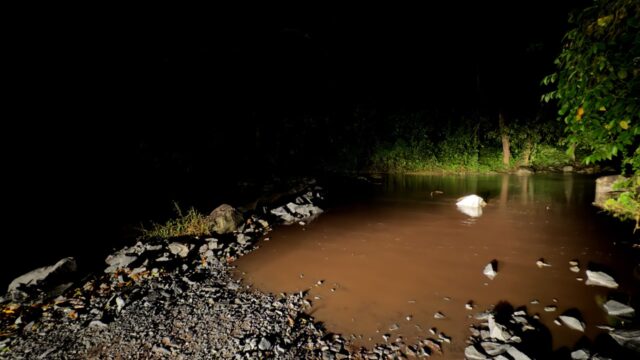
The recent drug seizure at Vatia Wharf in Tavua shows how vulnerable these areas remain.
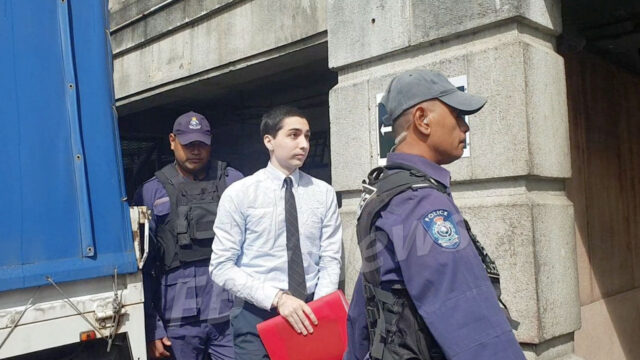
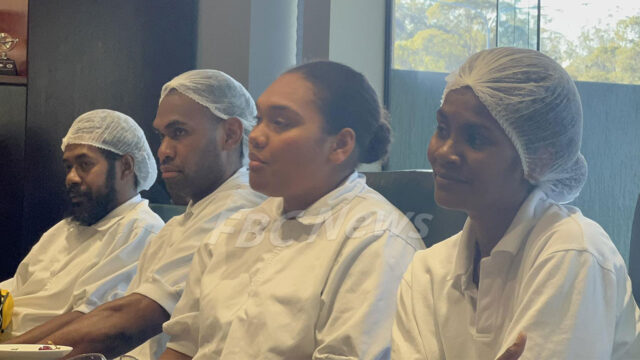
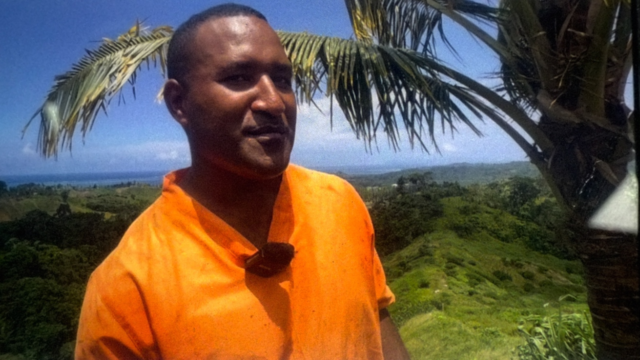
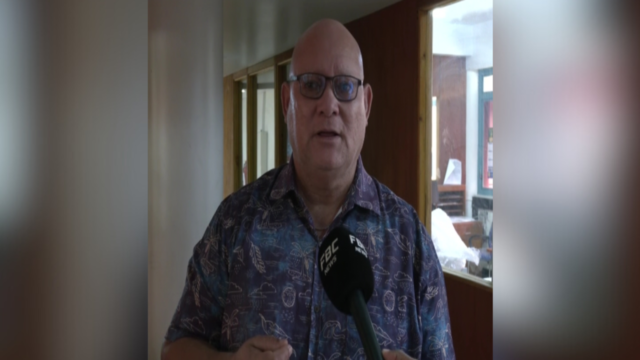
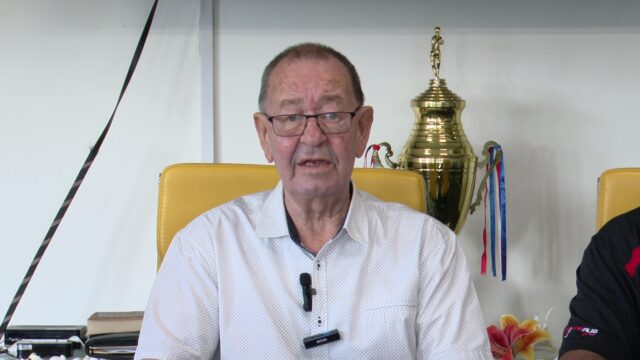
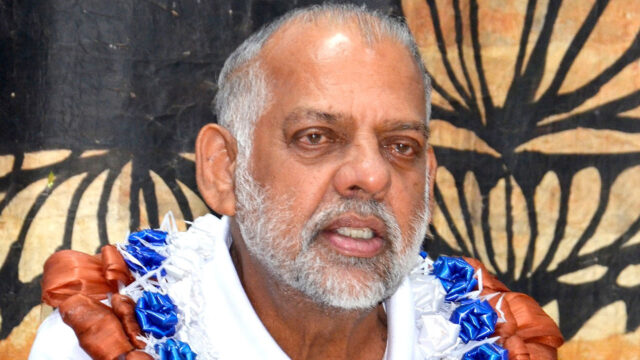
Associate Professor Jose Santos-Sousa of the Pacific Regional Security Hub at the University of Canterbury says this is one of the largest cocaine busts in recent years and involved the arrest of four South American nationals, highlighting how these criminal networks operate in the region.
“This is, I think, one of the largest seizures that we’ve seen in several years in regards to cocaine. And also, it brings to light that we’ve also seen the arrest of four international criminals that should shed more light into the tactics.”
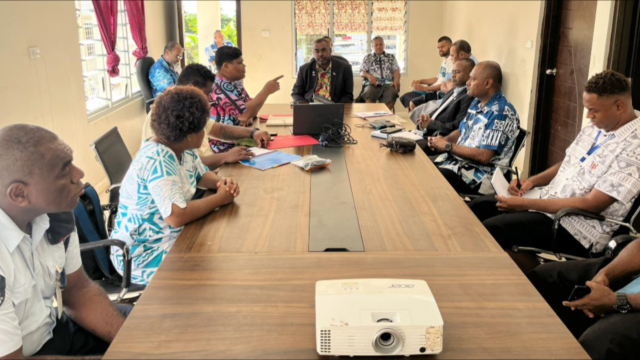
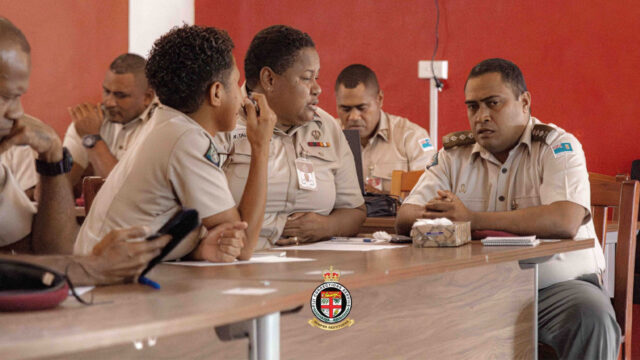
Jose says the arrests reflect stronger coordination between Fiji’s law enforcement, defence, immigration, and customs.
Authorities are now taking ownership of intelligence and leading operations rather than relying only on international partners.
Internal reforms addressing corruption and insider threats have strengthened the police, making them more professional and confident in confronting foreign syndicates.
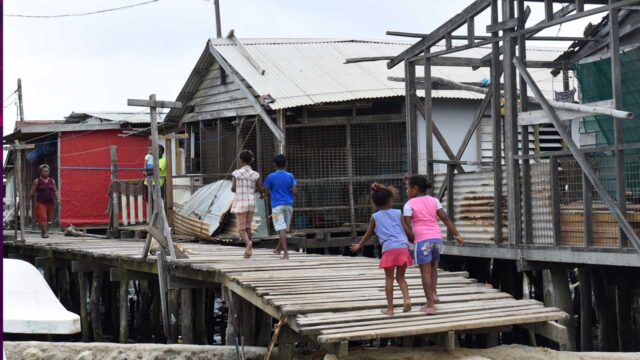
Jose explains that traffickers are drawn to remote areas like Vatia because of Fiji’s scattered islands, economic challenges in some communities, and the reach of transnational crime.
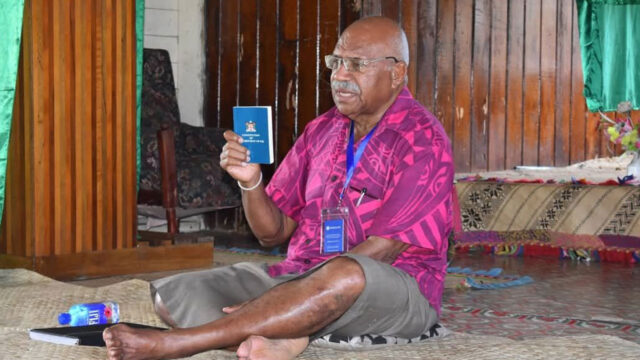
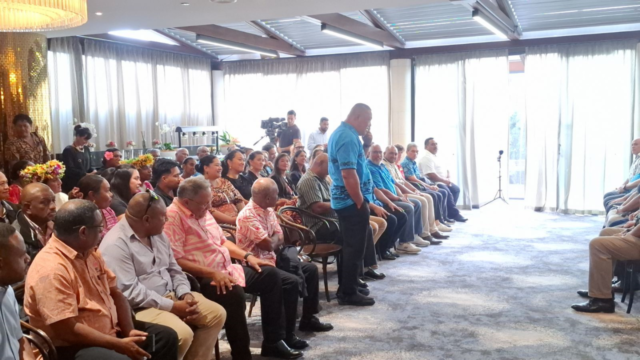
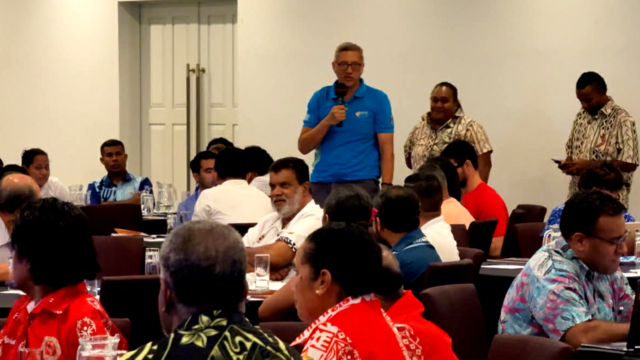
A pilot programme in Kadavu gives chiefs and community leader’s direct lines to the police, enabling faster reporting of suspicious activity.
“The Ministry of Police and the Permanent Secretary in Kadavu, in which they are engaging with traditional power structures, with the chiefly systems, and giving them a semi-official role, let’s say, in the law enforcement architecture, where they’re giving them direct lines to connect with law enforcement”
He adds that more leaders are now speaking out and working with authorities, signaling the start of a whole-of-society approach to protecting Fiji’s coasts and communities from drug trafficking.
Stream the best of Fiji on VITI+. Anytime. Anywhere.