 Riya Mala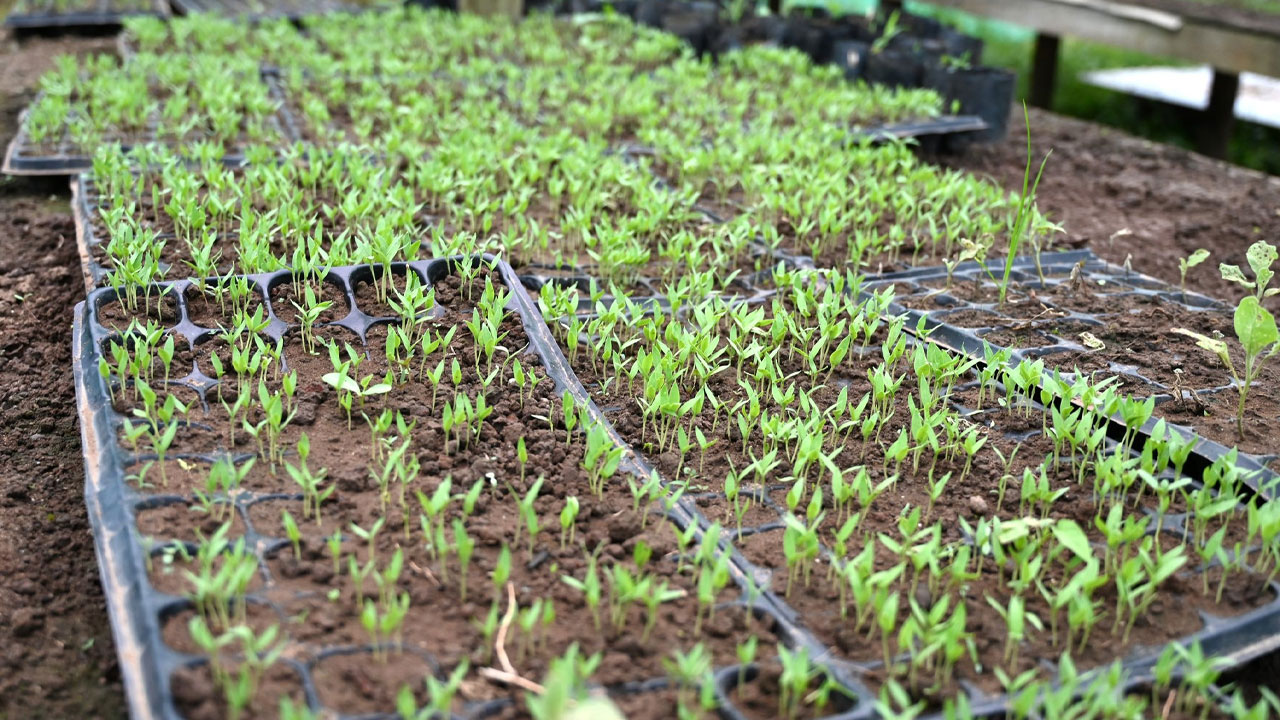
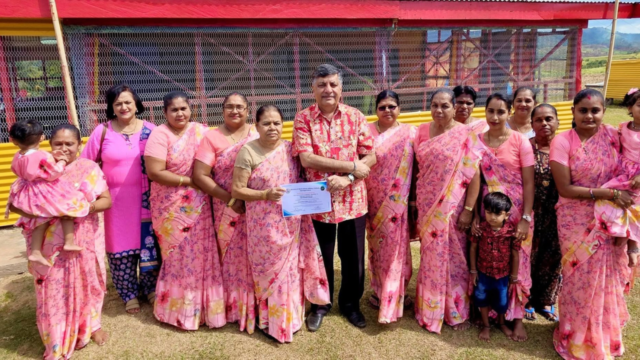
Farmers and women in the Western Division are transforming unused, hilly backyards into thriving small businesses.
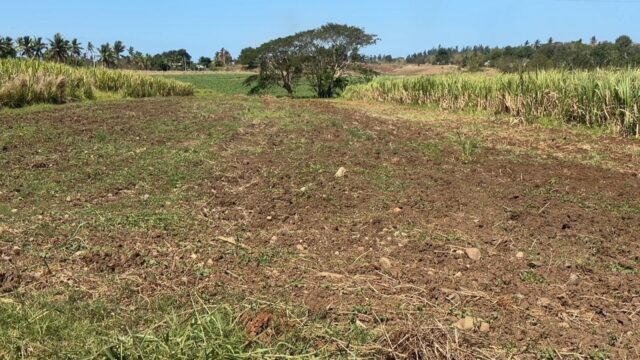
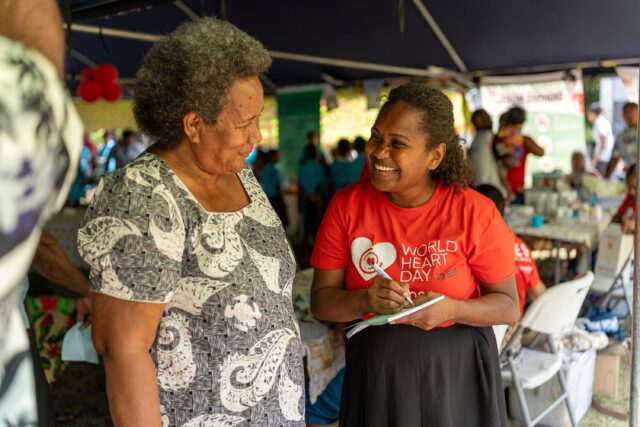
Leading by example, 58-year-old sugarcane farmer Saleshni Devi converted steep land into a productive farm.To prevent waste and boost income, she now processes perishable crops into value-added products.By diversifying her products, Saleshni Devi is attracting customers beyond vegetable markets.
“I’ve got bongo chili. I make it into chili sauce. I’ve got lime in my farm. I create lime pickles, lime chutneys, and lime spreads. I’ve got tamarind there. I buy from farmers as well. I make tamarind chutney. I’ve got kumala. I buy kumala as well from the farmers. I create products out of my produce like fries, nuggets, hash browns, and wedges. And I do chilies like bird’s eye that we call jhangli chili; we give shelf life to that.”
She is encouraging other women to start businesses by using the resources and produce they already have in their homes and backyards.
Devi hopes to one day see her products on supermarket shelves.
“I’m looking forward to expanding my business. Because just making it into a small scale is not good. I want to put it into supermarkets as well as reach other customers.”
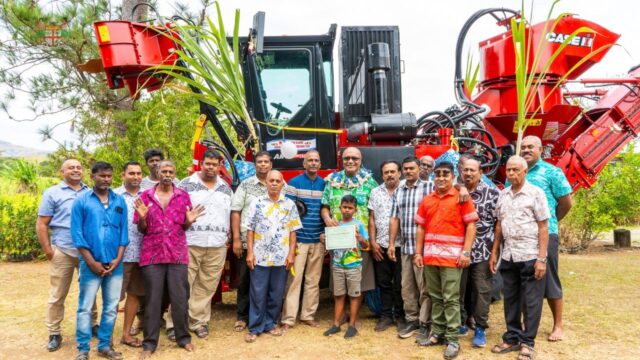
European Union Ambassador to Fiji Barbara Plinkert says they are committed to supporting businesses through their Sustainable Transformation of Domestic Agri-Food Systems program.
“EU remains firmly committed to supporting Fiji’s agriculture sector. It’s aligned with the European Union’s Global Gateway Strategy, which places a strong emphasis on private sector development, particularly the development of micro, small and medium enterprises.”
Entrepreneurs like Devi say that access to capital remains a challenge for farmers, but they are hopeful that with support, their businesses will grow.