 Nikhil Aiyush Kumar
The Fiji Commerce and Employers Federation has called on the Fiji Competition and Consumer Commission to set aside its December 19 2025 electricity tariff decision and restart the review process, citing serious procedural, legal, and economic concerns.
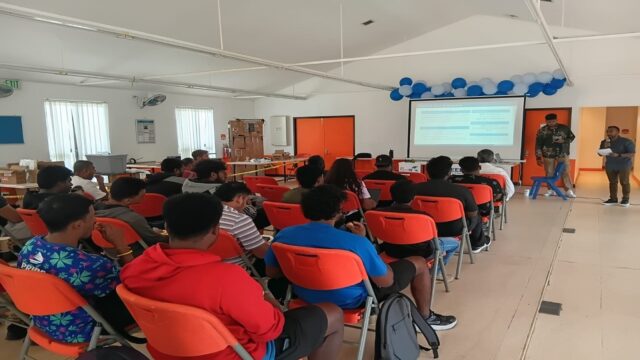
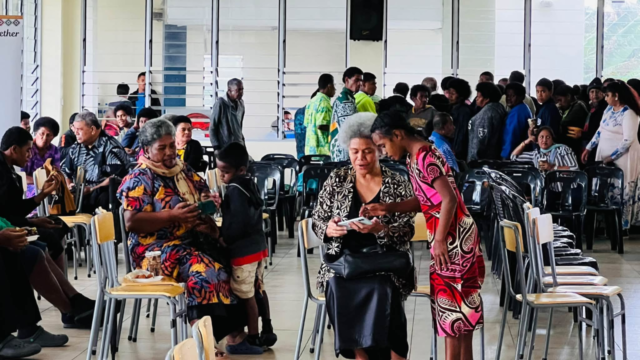
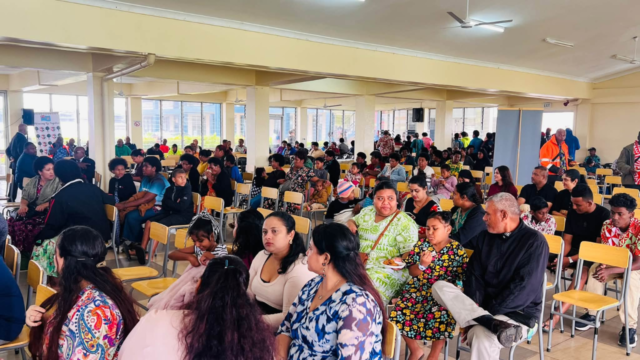
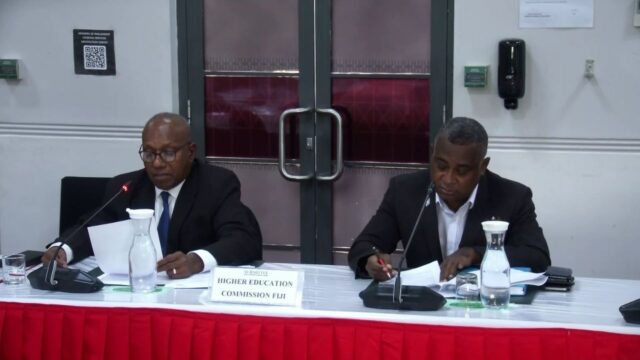
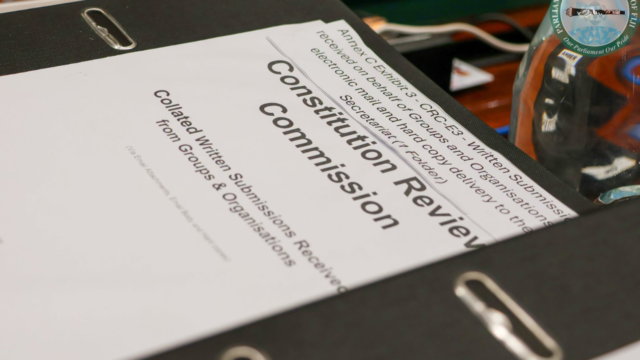
The call came after a meeting held today at the Civic Centre in Suva, where FCEF presented its submission opposing the electricity tariff increase.
The disputed determination approved EFL’s application for a 34.7 per cent increase in electricity tariffs. FCEF argues the decision cannot stand, claiming it was made without genuine consultation and relied on incomplete and undisclosed information.
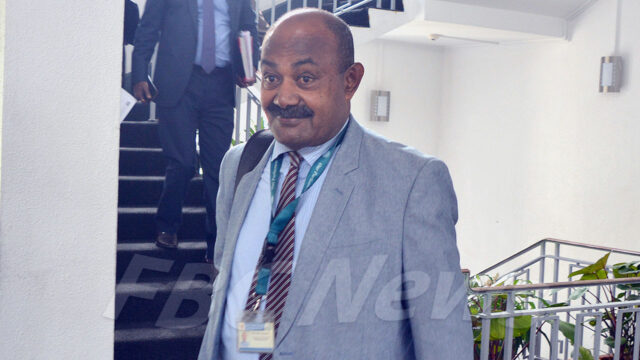
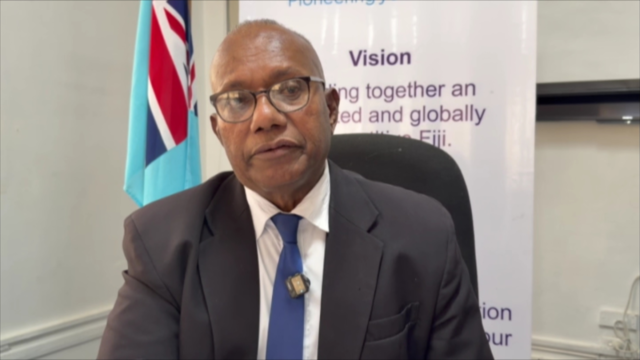
FCEF President Eldon Eastgate says the determination is fundamentally flawed and places an unfair burden on businesses and consumers.
“FCEF submits that the 19 December tariff determination is fundamentally flawed — procedurally, economically, and legally. It was made without genuine consultation and relies on incomplete, undisclosed information that prevents businesses and consumers from properly assessing the basis of the proposed 34.7 per cent increase.”
He adds that there is a contradiction between EFL’s claim of an urgent funding crisis and its financial position. The Federation noted that EFL paid $40.7 million in dividends in 2023 despite a $24.8 million loss, holds over $52 million in customer deposits, and has low debt with an estimated $257 million in unused borrowing capacity.
FCEF says the determination shifts the cost of under-investment in renewable energy and unutilized shareholder capacity onto consumers and businesses already facing rising costs.
The Federation has called on FCCC to either fully set aside the December determination and restart the assessment process or decline EFL’s tariff application entirely.
FCEF identified seven key issues, including poor transparency, lack of consultation, failure to assess shareholder funding, unresolved use of 2018 privatization funds, and non-compliance with the Electricity Act.
It warned that the tariff hike would hit businesses already facing higher wages, taxes, VAT, and inflation.
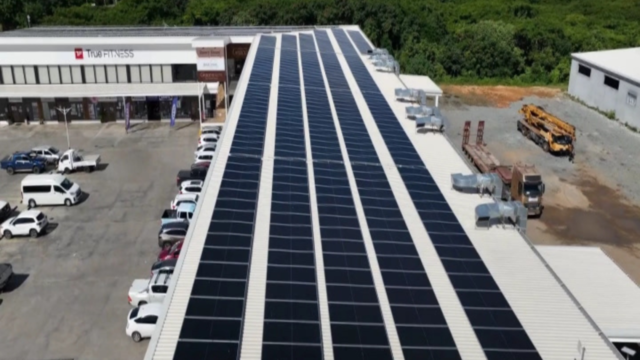
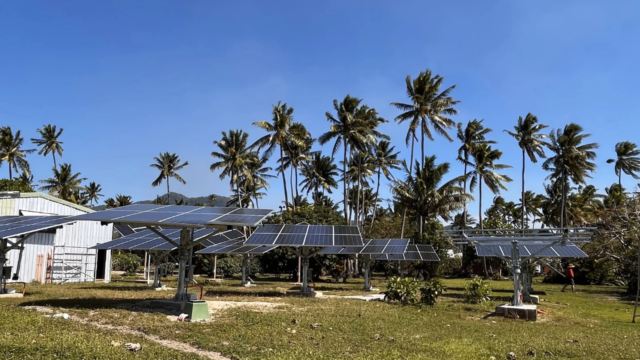
The Federation also criticized EFL’s heavy reliance on diesel, noting that renewable energy dropped from 0.3 per cent in 2019 to 0.07 per cent in 2024, contributing to a $211 million fuel bill, and said earlier investment in renewables could have reduced costs.
FCEF Chief Executive Officer Edward Bernard said the Federation supports investment in electricity infrastructure but not what it views as a flawed regulatory process.
“Our objection is not to investment. It is to a process that has not demonstrated that the proposed approach is the most efficient, least-cost, and fair outcome for consumers and the economy.”
FCEF has asked FCCC to release EFL’s full tariff application, run independent assessments, hold a 60-day public consultation, and audit the 2018 privatization proceeds.
The Federation also called for a dividend freeze until debt and renewable energy targets are met, and for existing funds to be offset against any revenue needs.