 Reuters
[Photo Credit: Reuters]
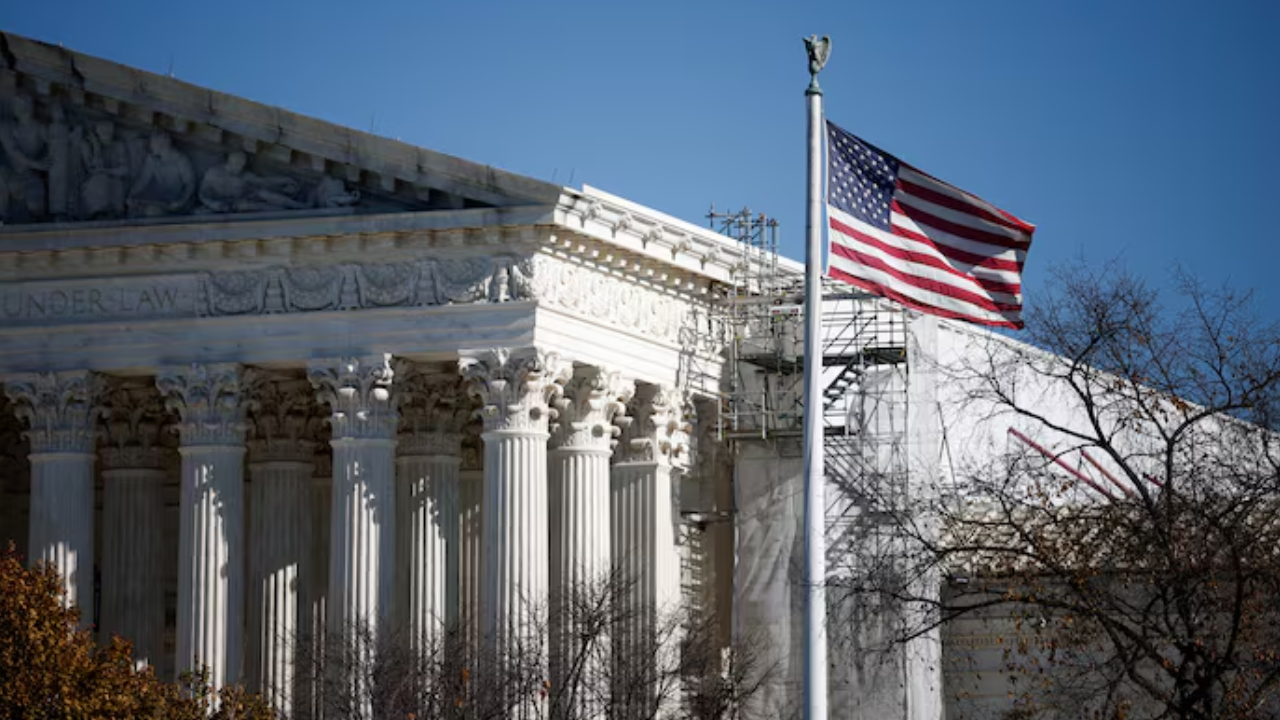
The U.S. Supreme Court has given itself more opportunities in the coming months to overturn its own past rulings, a signal that its conservative justices are rethinking how much allegiance they owe to legal precedents set years ago by the nation’s top judicial body.
A case being argued on Monday, opens new tab involves one of the precedents now in the crosshairs before the court, whose 6-3 conservative majority has moved American law dramatically rightward in recent years including by overturning past decisions like in the 2022 case that rolled back abortion rights.
A 1935 precedent that limited presidential powers is at issue in Monday’s case, a challenge to the legality of President Donald Trump’s firing of an official in a federal agency set up by Congress with safeguards against presidential interference. Trump’s Justice Department has asked the Supreme Court to ditch the precedent, an action that would expand the Republican president’s authority.
A bedrock legal doctrine called “stare decisis,” Latin for “to stand by things decided,” calls upon courts to respect their prior precedents when resolving new cases on similar matters. A basic tenet of U.S. law is that stare decisis promotes consistency and predictability in the law.
Stare decisis has never been absolute, of course. Courts make mistakes and need to correct them over time.
The precedent at issue on Monday was established in a case called Humphrey’s Executor v. United States. The ruling held that Congress possesses the power to insulate certain federal agencies from full presidential control.
Rebecca Slaughter, who was a Democratic member of the Federal Trade Commission, is challenging Trump’s decision in March to fire her from the consumer protection agency. The administration has called the Humphrey’s Executor decision “egregiously wrong,” arguing that the Constitution grants the president sole control over the U.S. government’s executive branch.
The justices are due on Tuesday to hear arguments in another case in which the Trump administration is urging the Supreme Court to overturn a precedent – a 2001 decision that restricted how much money political parties can spend on campaign advertising with input from candidates.
In a different election law case argued earlier in the court’s current nine-month term, Louisiana Republicans opposing an electoral map that increased the number of Black-majority congressional districts asked the justices in October to overturn an election law precedent set in 1986.
Stream the best of Fiji on VITI+. Anytime. Anywhere.