 Peceli Naviticoko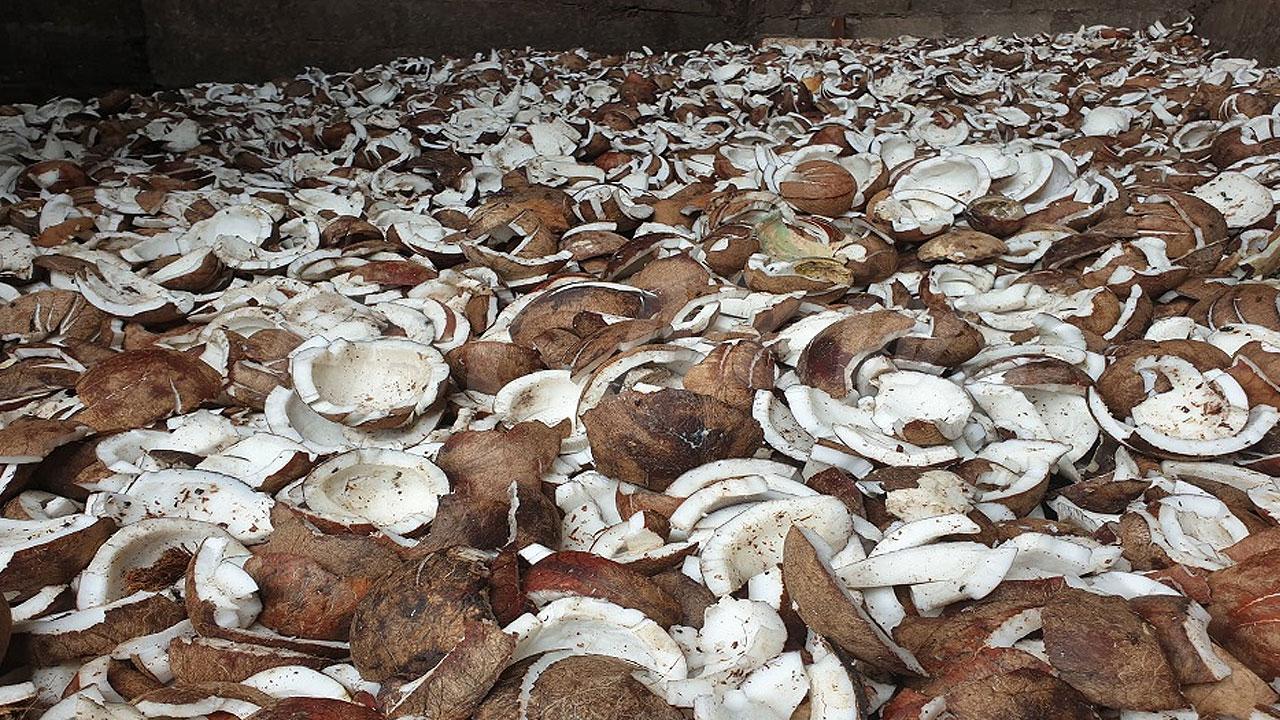
[File Photo]
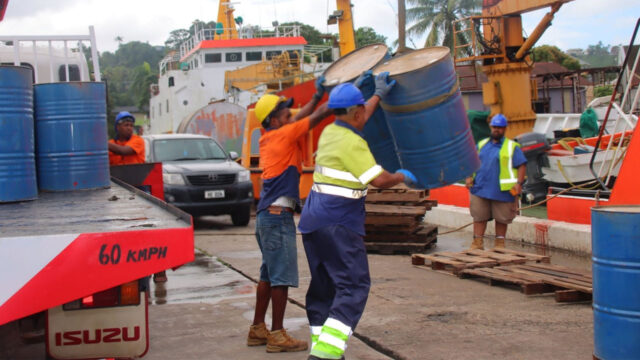
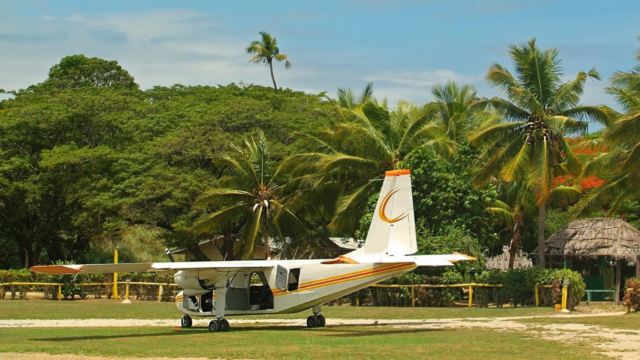
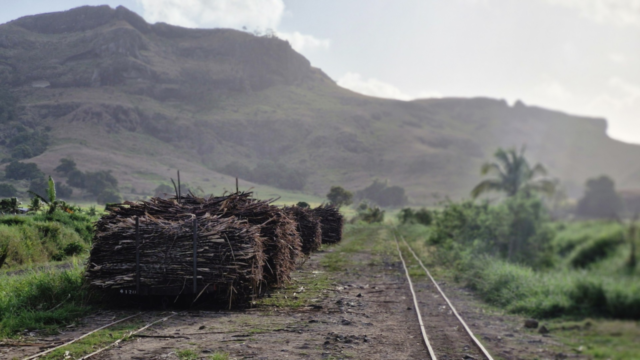
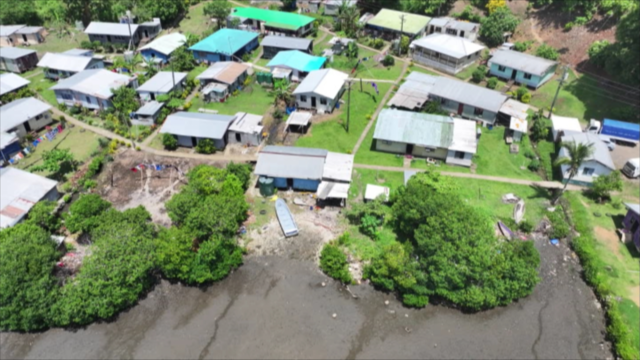
Copra remains the backbone of survival for families on the remote island of Cikobia, but villagers say rising transportation challenges are now choking their ability to earn a stable income.
Despite Fiji’s shifting economic landscape, copra continues to stand as one of the strongest cash earners for communities in Cakaudrove and parts of Macuata, especially in maritime islands where agriculture and marine resources dominate daily life.
For the people of Cikobia, home to Fiji’s only coconut crab species, copra is more than just a commodity; it is the foundation that sustains households, village obligations, and church commitments.
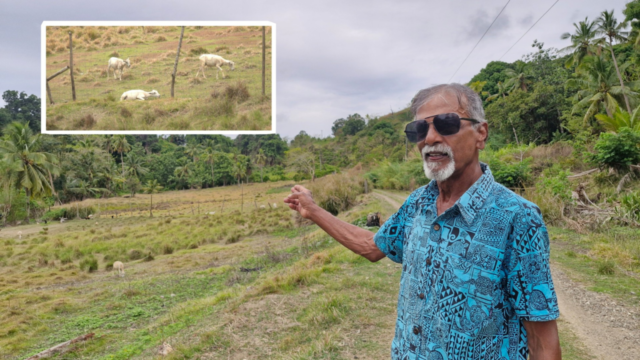
“Copra is our main source of income here on the island and it has been that way from our elders until today. Coconuts are abundant on this island and you can see them everywhere. We also sell fish and coconut crabs in Labasa and Taveuni, while some are kept for family and community functions.”
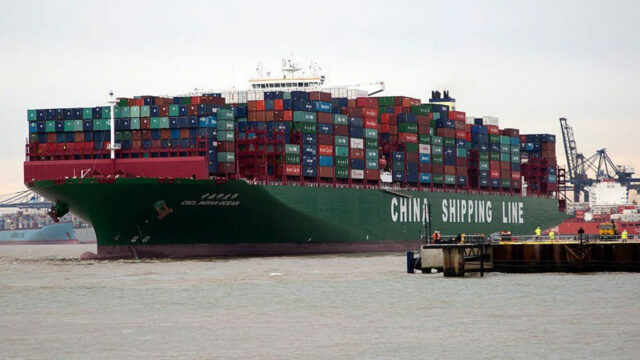
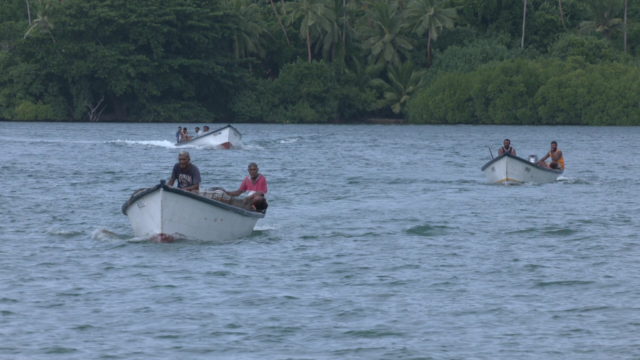
However, Cagituevei says the biggest barrier now is transport, with villagers forced to brave open seas in fiberglass boats just to move their produce to market.
He says in the past, boats regularly docked at the island to collect copra, but with the collapse of the cooperative system, villagers are now left to shoulder the burden themselves, relying heavily on franchise vessel services to move their produce.
As pressure mounts on household incomes, many families are also turning to suluka harvesting as a secondary source of income, just to keep up with basic daily needs.