 Shania Shayal Prasad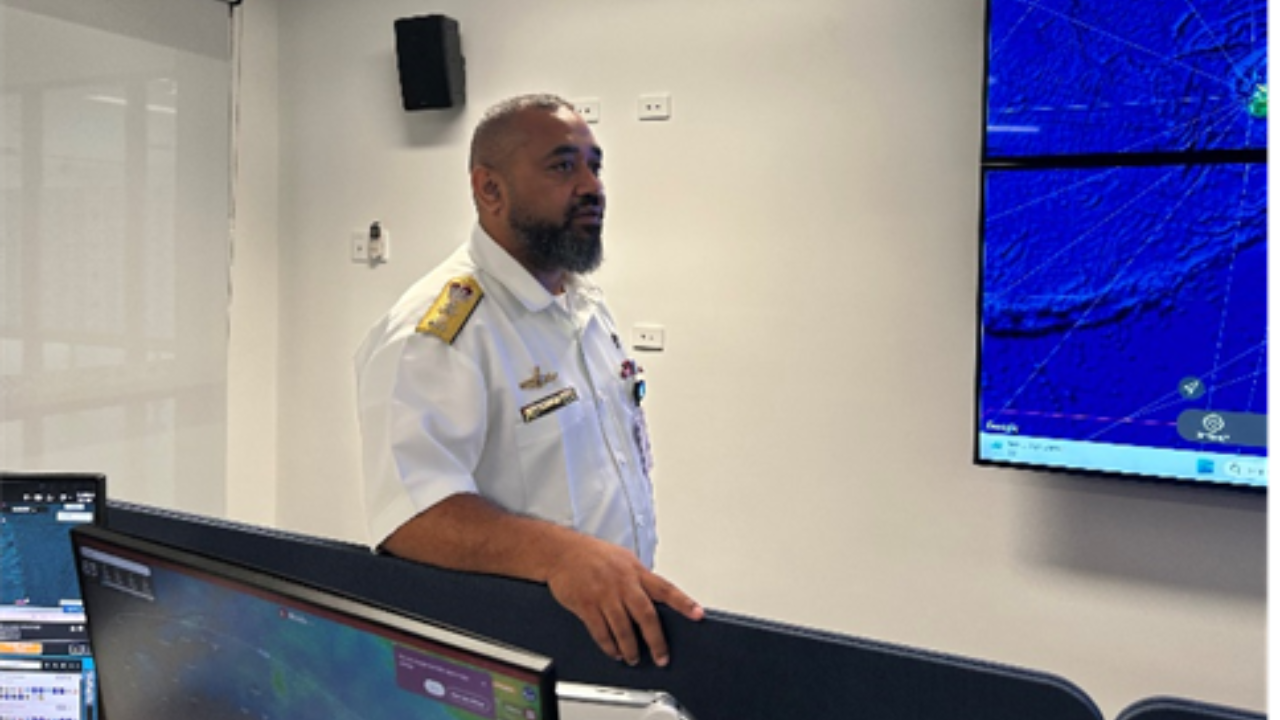
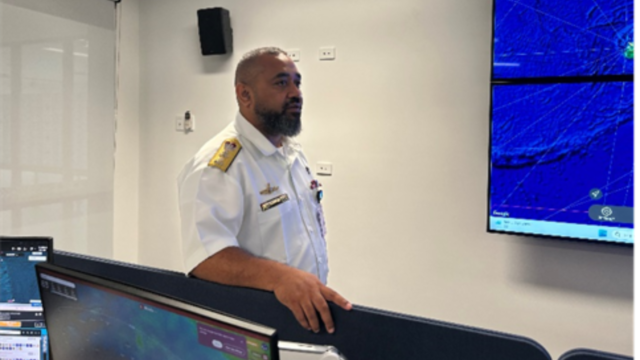
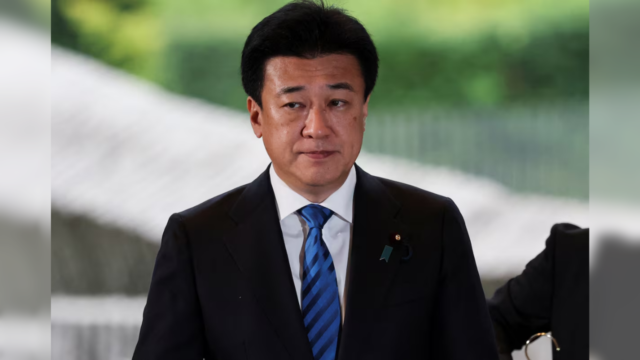
Fiji Navy Commander Timoci Natuva. [Photo: SHANIA SHAYAL PRASAD]
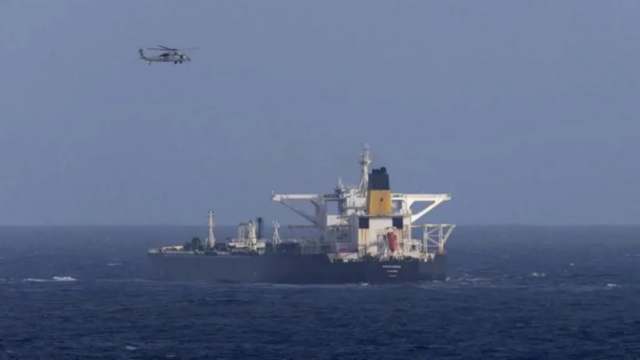
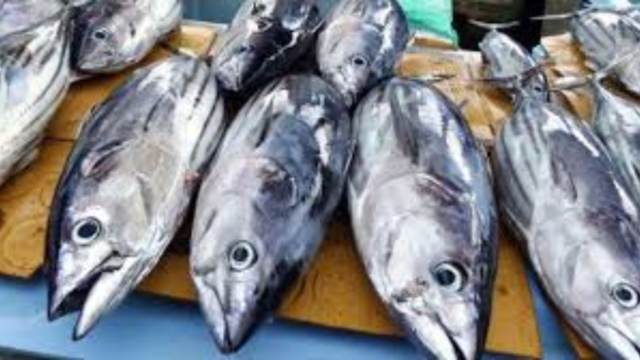
Fiji has shifted from traditional policing to an intelligence-led surveillance approach to address illegal, unreported, and unregulated fishing within its Exclusive Economic Zone.
The country is estimated to lose around $50 million in revenue each year due to these activities.
According to Bainivalu, unreported fishing remains a significant challenge, as it often goes undetected and undermines efforts to effectively manage and protect marine resources.
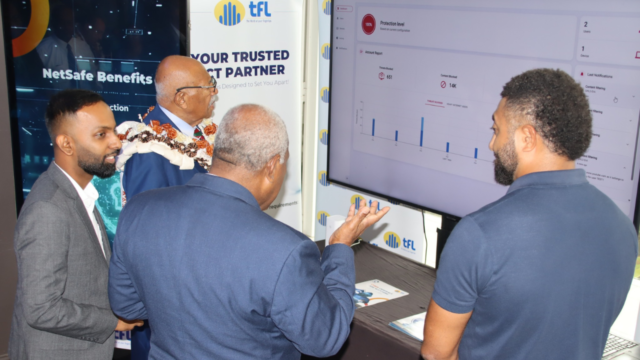
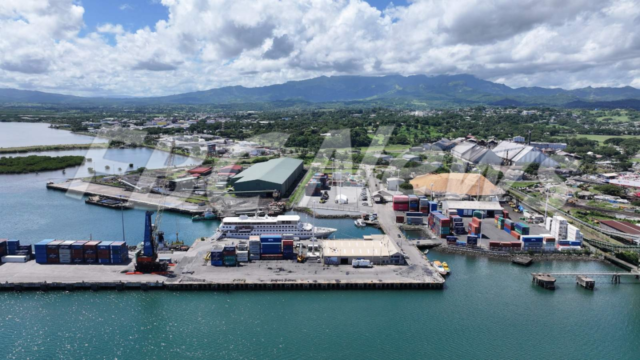
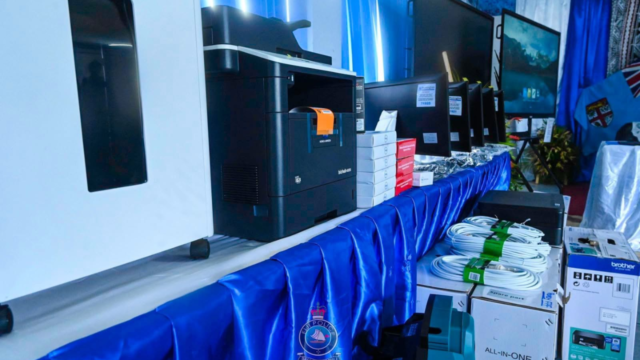
The Minister says the capabilities of the National Monitoring and Surveillance Centre in Walu Bay, Suva, were officially enhanced following its opening in late 2024.
“So that centre, it enables us to look at our vessels that are fishing out in our waters on a much bigger scale, on a bigger screen, as compared to how we used to monitor our vessels in the past. And we’re also able to generate reports in a quicker turnaround time. For example, reports that could be produced within a week can now be produced within a day.”
She says the upgraded monitoring measures aim to support sustainable fisheries management.
Bainivalu states that all licensed vessels operating in Fijian waters are required to install a Vessel Monitoring System on board.
“That is a mandatory requirement for all the vessels that we license, so that through that system our officers here on shore are able to monitor the fishing activities out at sea.”
Fiji Navy Commander Timoci Natuva says while technology is essential, physical presence remains important.
He adds they conduct surface patrols using Fiji Navy assets.
“The various technologies that we have, the whole world is moving to continue to look into innovative ways to address issues. AI is a big thing that is coming now. So satellite technology that we have access to, that we can use to detect vessels that come into our waters. But as I highlighted, once our enemy or criminal elements understood what we have, they evolved. So it’s just a matter of making sure that we are in par with the threat that is there, understanding their strengths and able to address this.”
Commander Natuva acknowledged the challenges of patrolling Fiji’s extensive and maritime borders.
“I think the main challenge is the limited resources that we have. Efforts not really synchronised. Other agencies are still working, tend to work in our silos. There’s also legislation gaps that has to be addressed. And our ocean space is just huge. Very porous borders where there are various entries into our waters where criminal elements or persons that will to engage in illegal activity can come through. It’s very difficult to maintain a persistent presence in our exclusive economic zone in our waters. So that continues to be a challenge as well.”
The Commander says to strengthen monitoring capabilities, Fiji works closely with regional and international partners.
Meanwhile, Fiji Fishing Industry Association Representative Ulaiasi Tuikoro says illegal fishing activities affects catch volumes, disrupts quotas, and reduces supply to markets.
“Well, we’ve had incidents where a lot of illegal activities really have affected our income or our sales. For example, when we’ve got a certain quota that we need to reach towards the end of the year, through illegal activities we cannot achieve those targets. Therefore, there’s a backlog of catch that we need to still achieve and also more supply the markets that we need to supply to. When it comes to sales, when there’s less stock, the price tends to rise. And we have to sell it at a higher price when compared to if there’s higher stock, you can just sell it at a lower price.”
Tuikoro adds awareness, compliance, and vigilance among fishing operators are crucial to safeguard Fiji’s marine resources and ensure sustainable fisheries for the future.
Stream the best of Fiji on VITI+. Anytime. Anywhere.