 Litia Cava
[Photo: FILE]
Global tensions are shaking the oil market, raising the possibility of higher fuel prices. Regulators and households are being urged to prepare for potential increases.
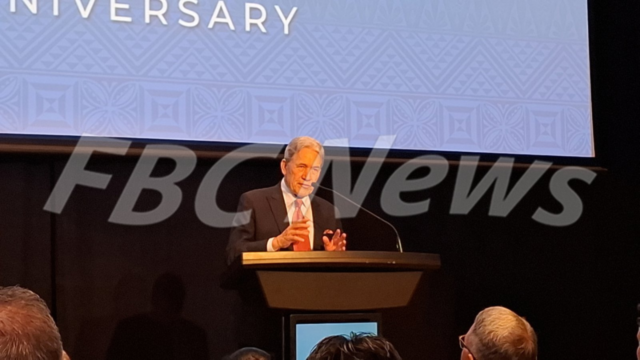
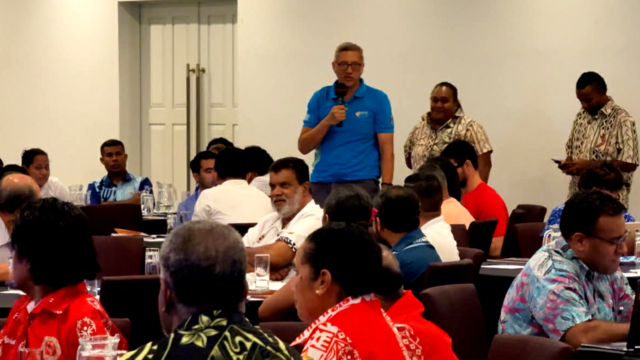
Senior Advisor at the Asia-Pacific Regulatory Centre Joel Abraham pointed out the role that local regulators and informed consumers play in protecting the economy from global shocks.
Abraham said agencies such as the Fijian Competition and Consumer Commission and the Consumer Council of Fiji have a critical role during periods of global uncertainty.
“Now, Fiji will face more of a price shock rather than a supply shock. I’ve seen the press release from the regulator, the FCCC stating that, you know, supply supply chains will be open, the ships coming, but that is not the risk that Fiji is facing. At this point in time, the risk that we are facing is the increases in prices.”
Monitoring fuel prices, collecting baseline data and ensuring transparency, according to Abraham help prevent unjustified price increases.
This, he states is especially important for goods that are not covered by formal price controls.
He also stressed the need for consumers to rely on credible information sources.
Abraham said false reports on social media, including fake fuel shortages or price spikes, could trigger panic buying and disrupt the market.
Accurate data and verified reporting are essential to maintaining stability.
Abraham advised households and businesses not to make drastic changes to spending patterns. While fuel costs may rise, sudden reductions in consumption could harm local businesses already managing higher operating expenses.
He encouraged Fijians to continue supporting local enterprises. This includes small and medium-sized businesses, women-led ventures and indigenous-owned companies.
He said Fiji’s ability to manage global shocks depends on strong policies and economic preparedness. The COVID-19 pandemic showed how quickly unexpected crises can disrupt economies.
As geopolitical tensions and global uncertainty grow,Abraham reiterated that governments and businesses must strengthen contingency plans. These plans should cover risks such as conflicts, trade disruptions, natural disasters and supply chain challenges.
The APRC, he states is monitoring global oil markets and analysing different pricing scenarios.
Abraham adds that organisation stands ready to provide the government with research and policy guidance.
This support, he adds aims to reduce the economic effects of fuel price volatility and ensure households and businesses are prepared for global uncertainties.
Stream the best of Fiji on VITI+. Anytime. Anywhere.